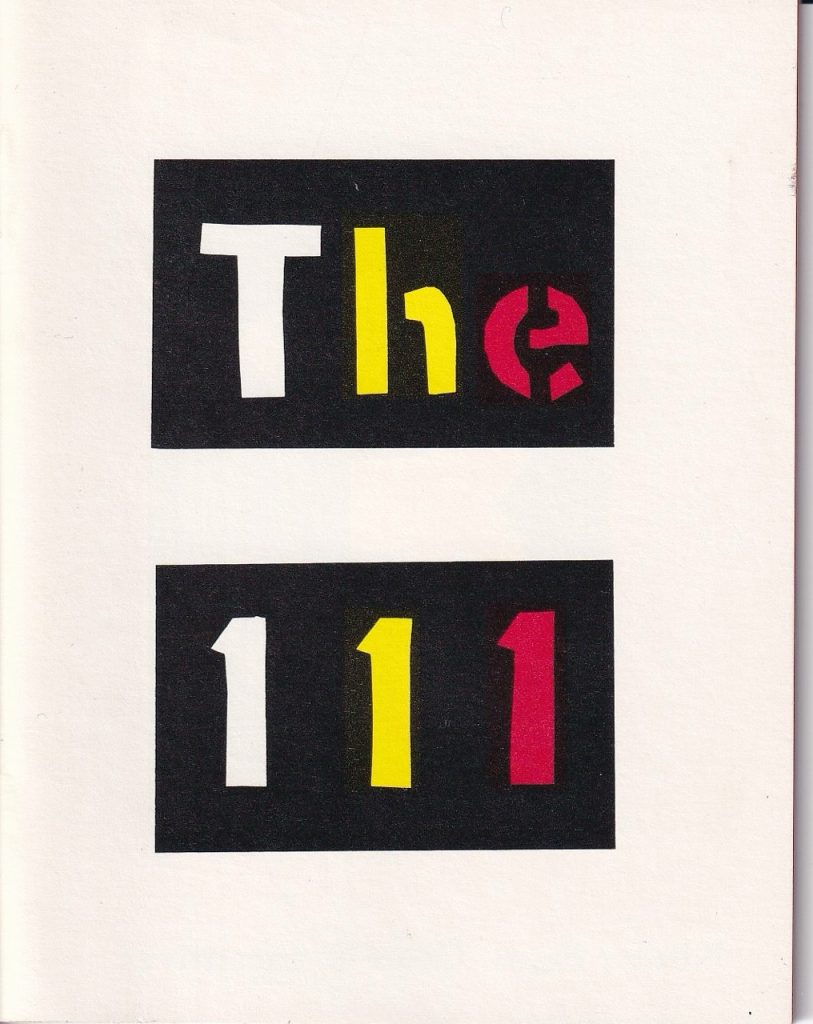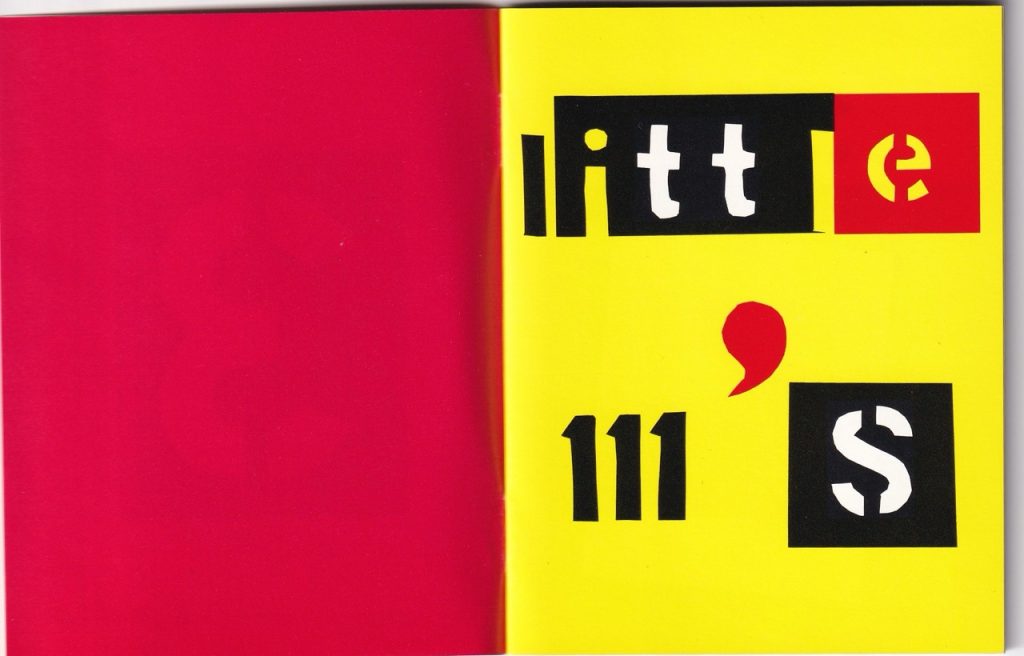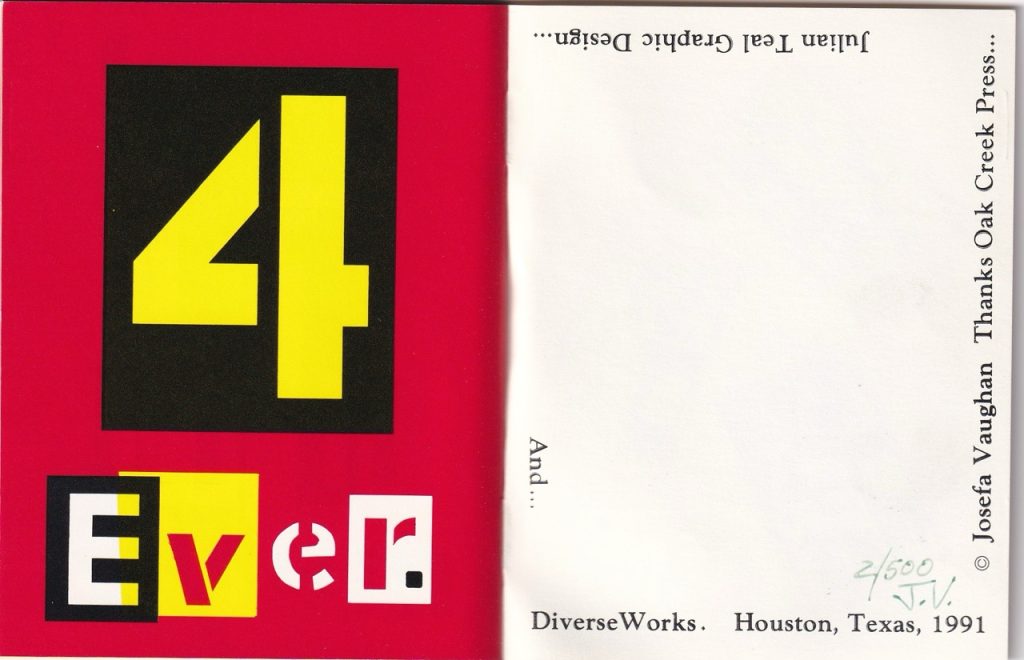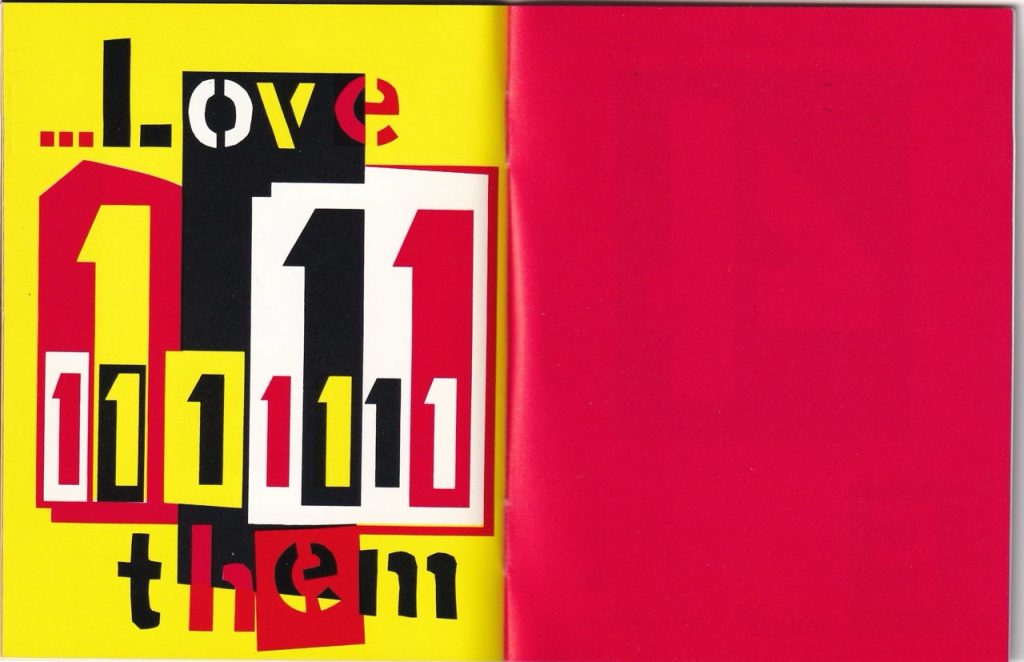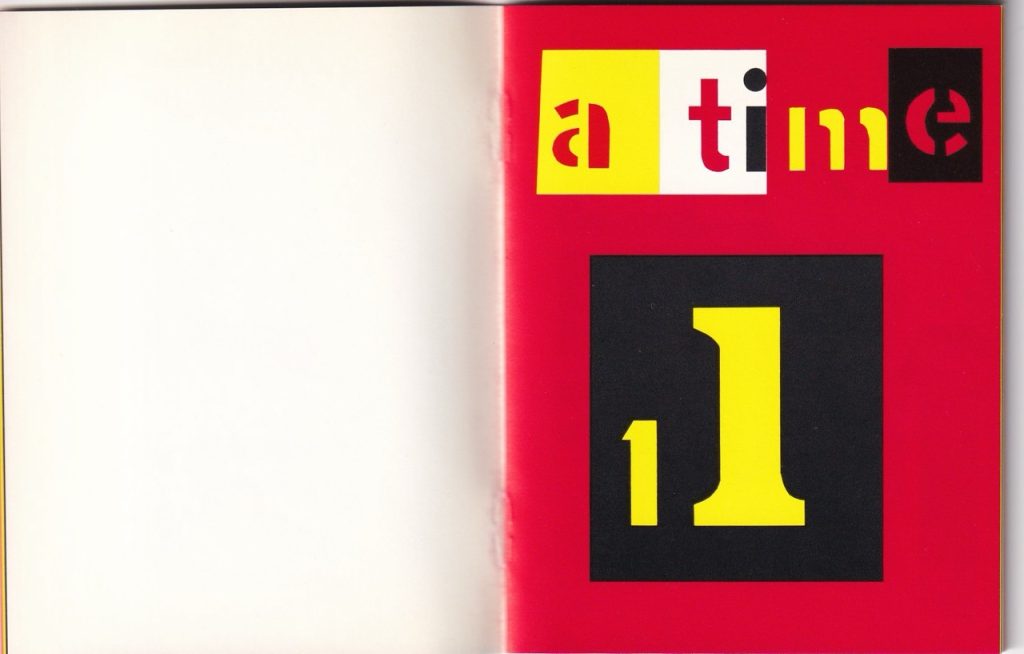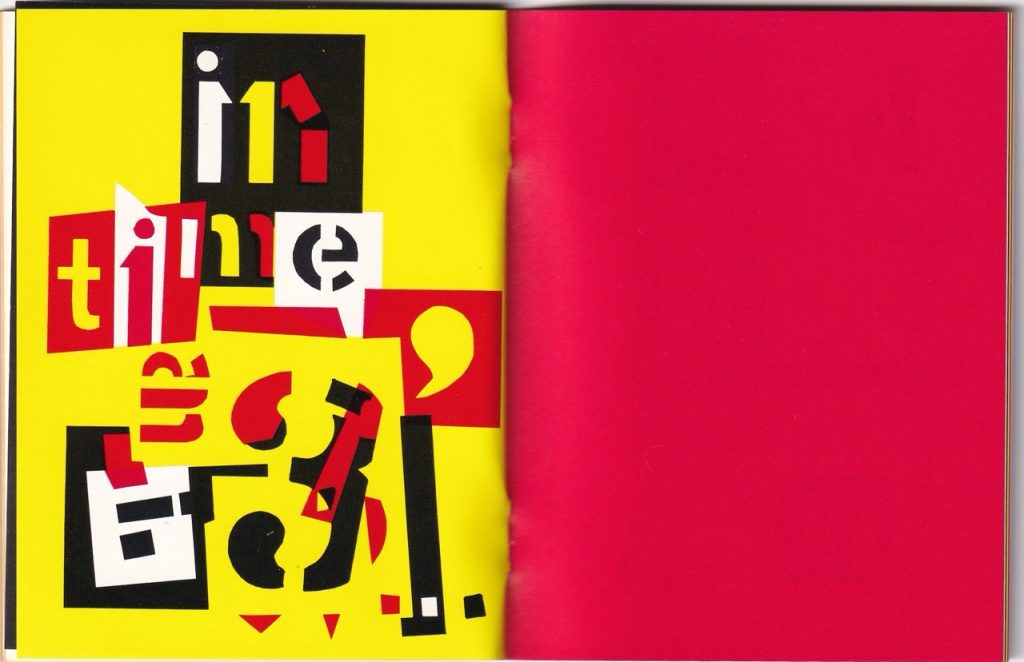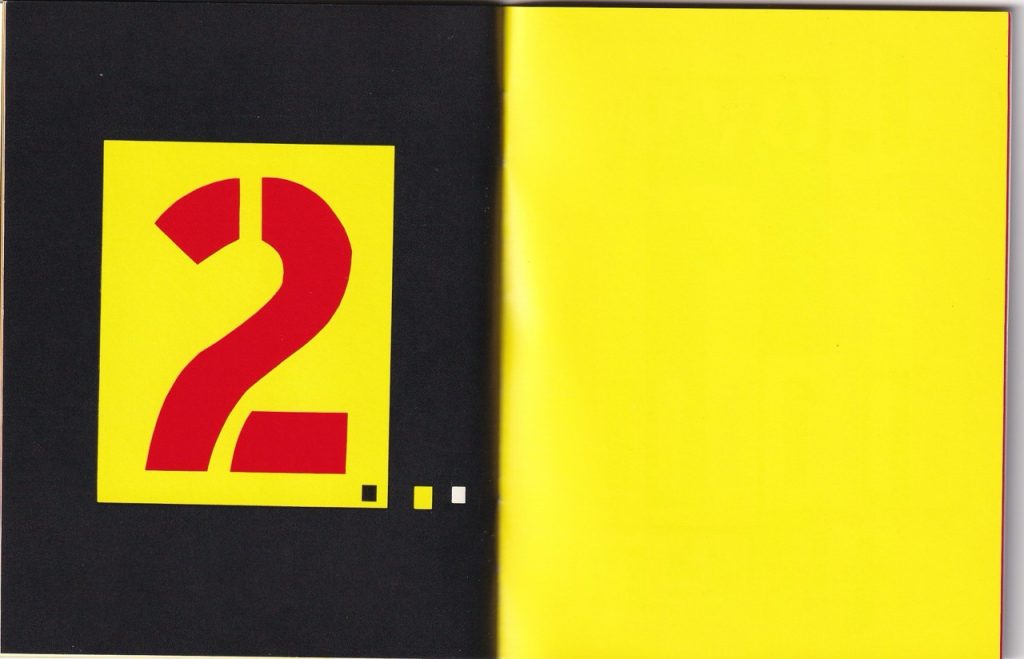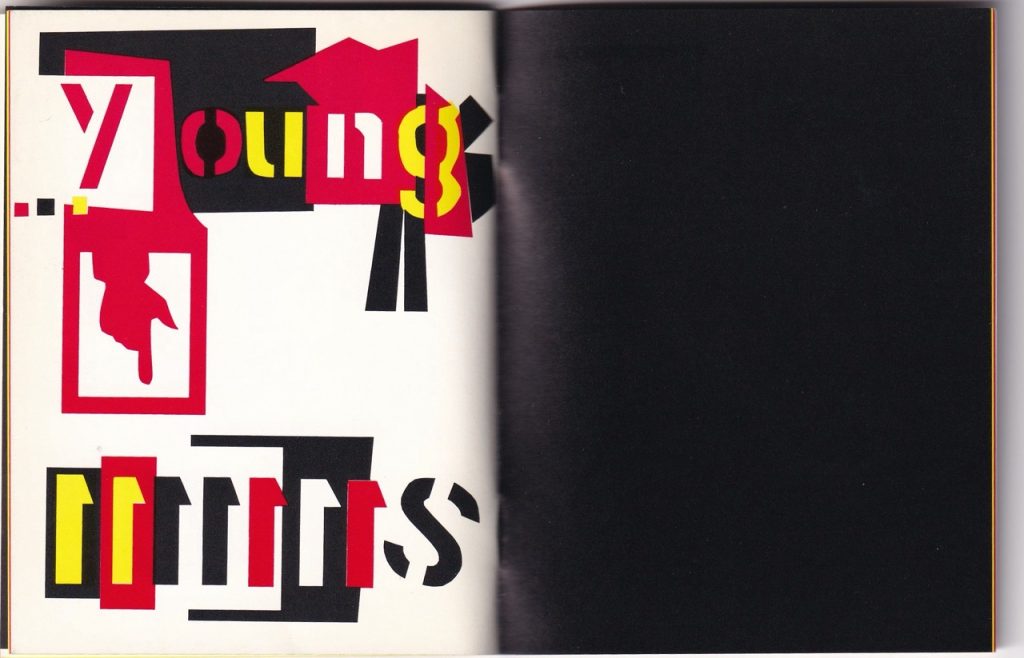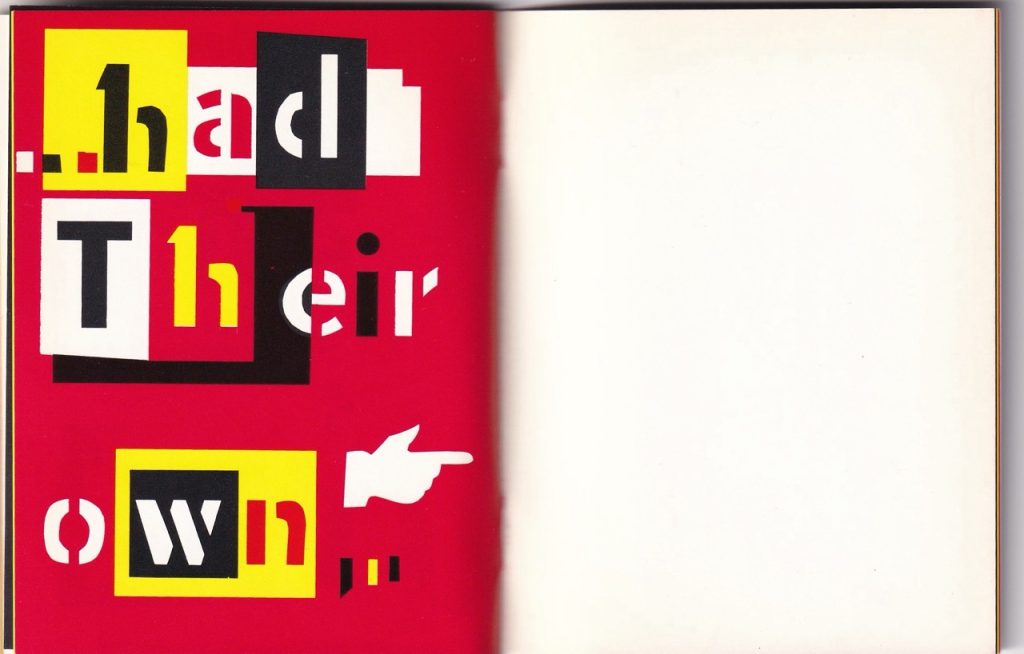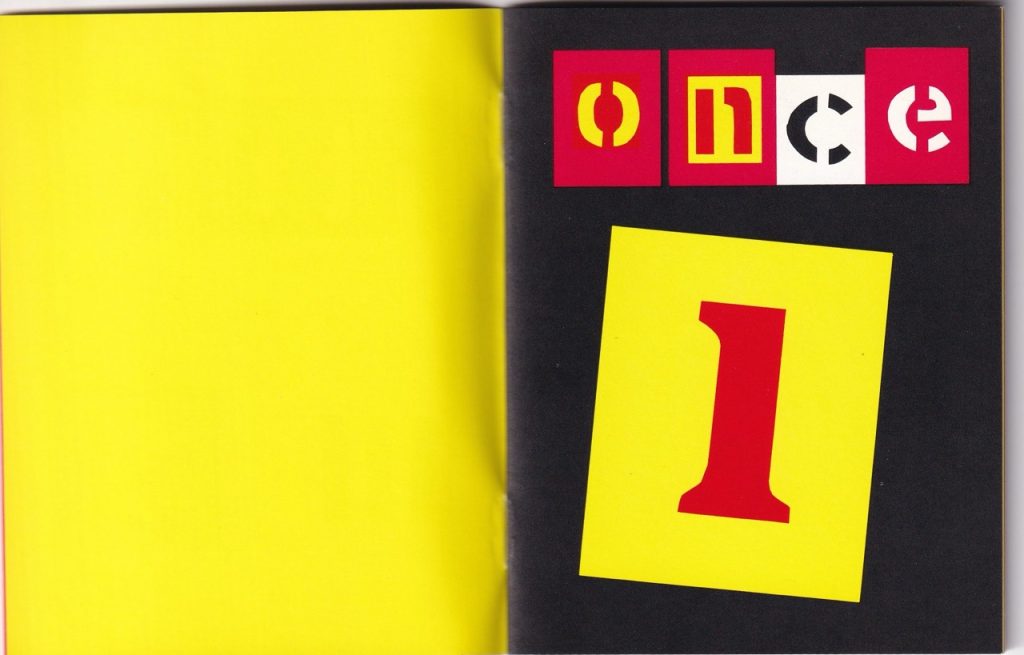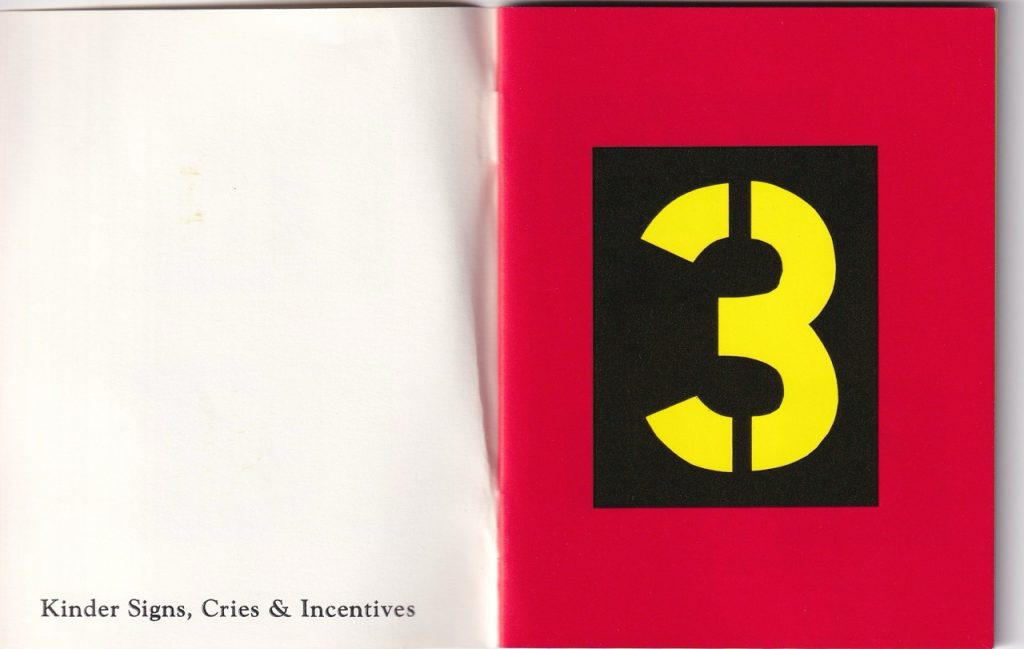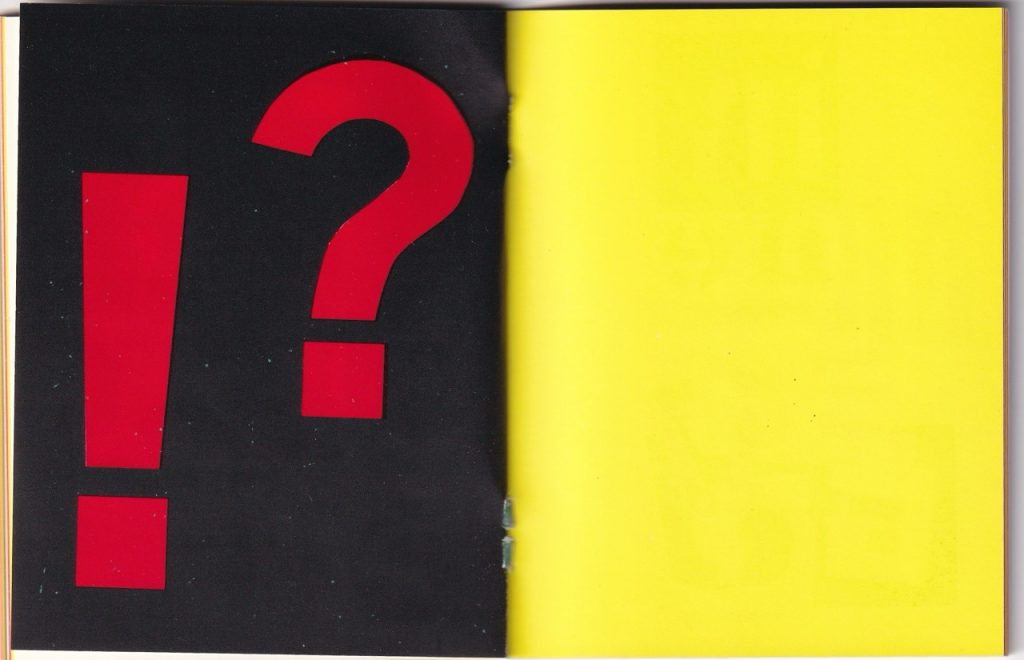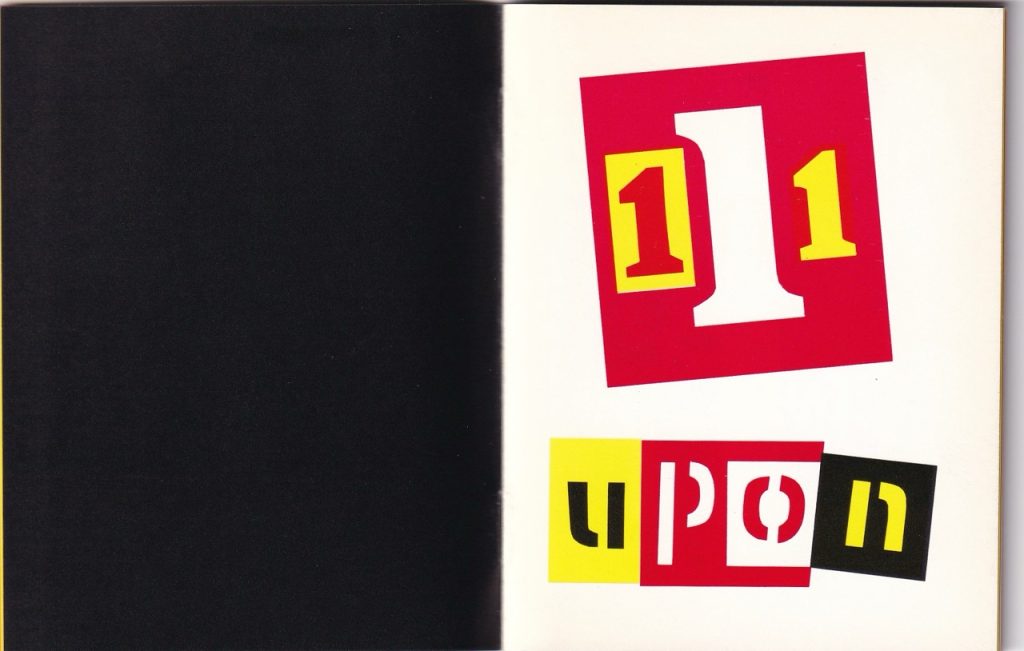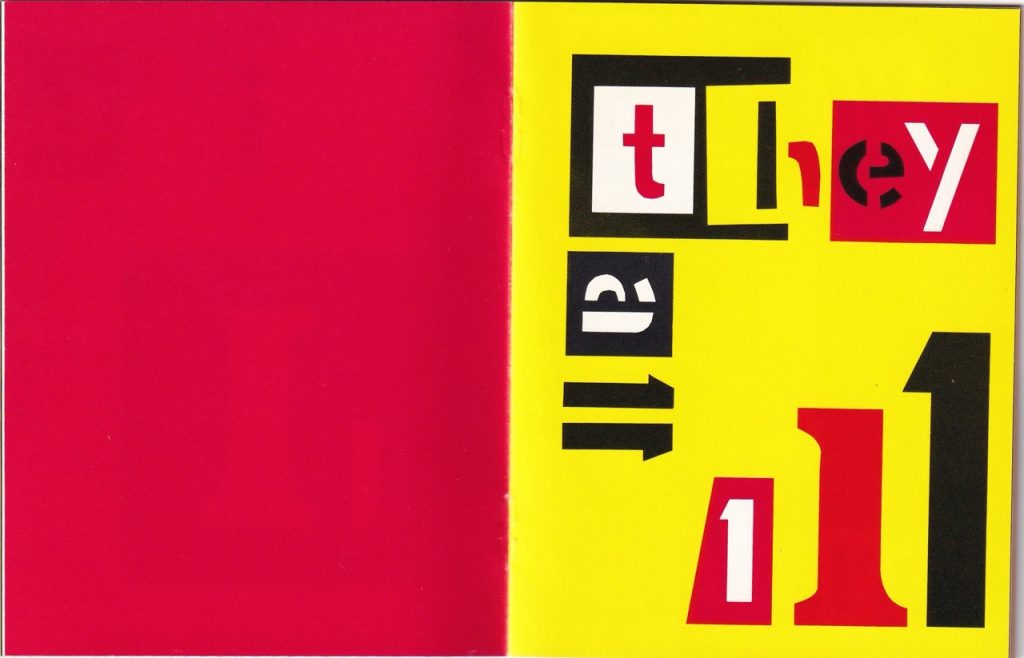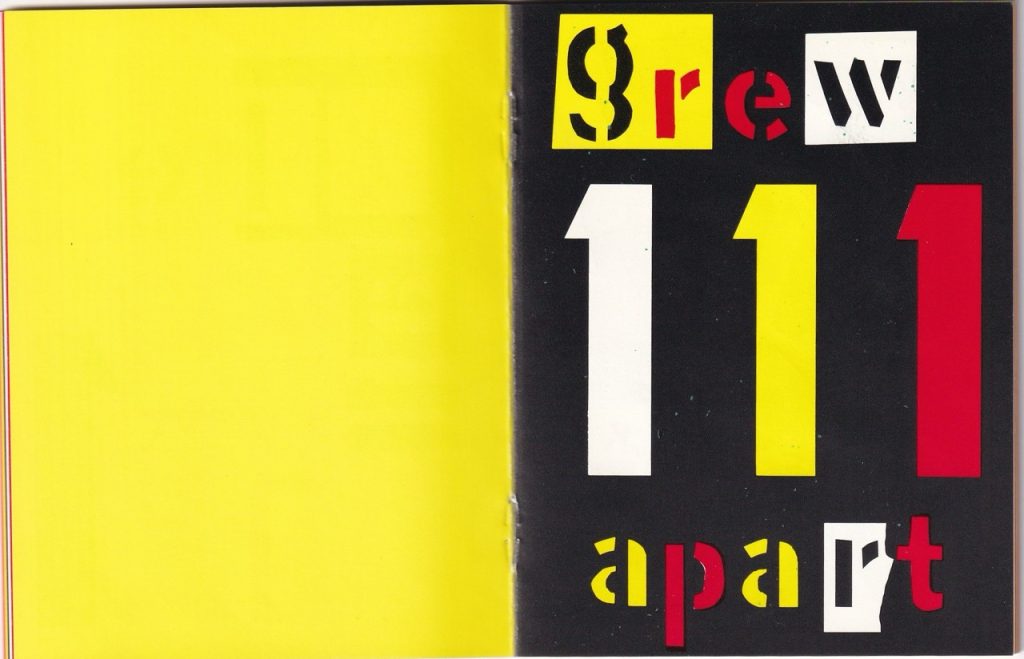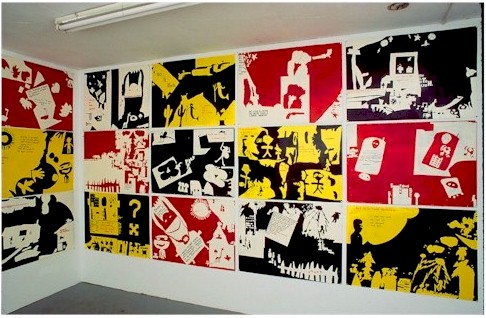
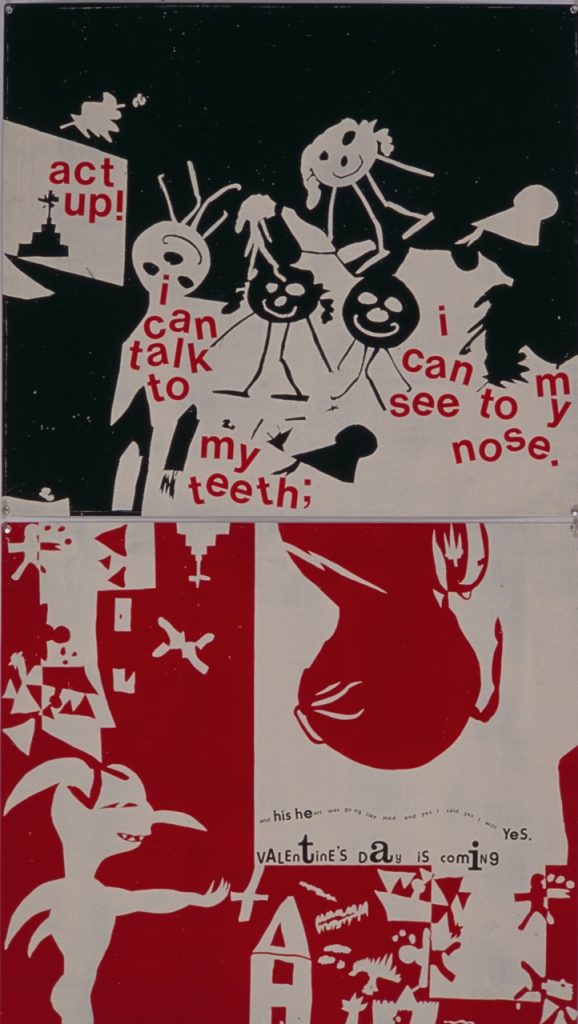
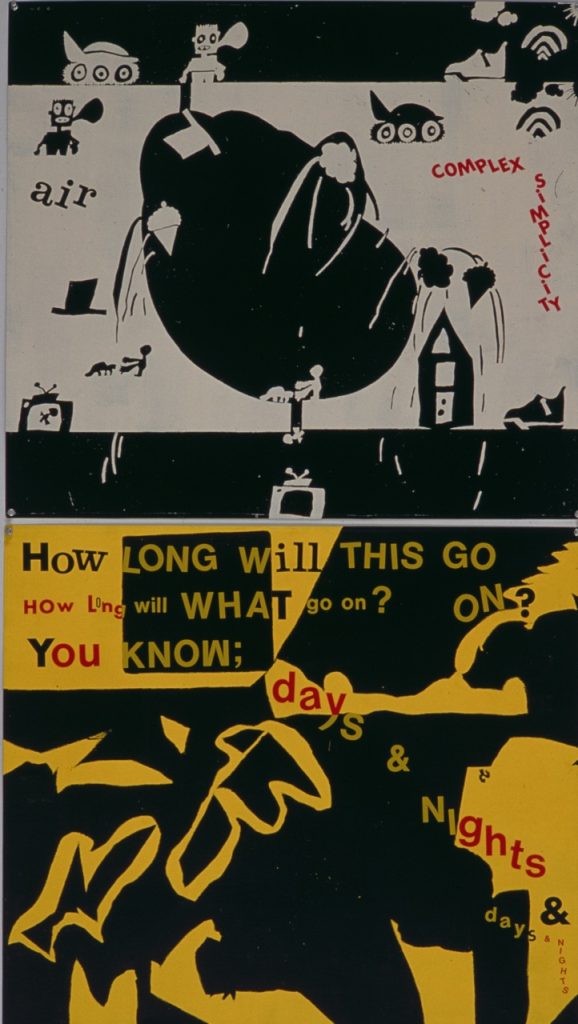
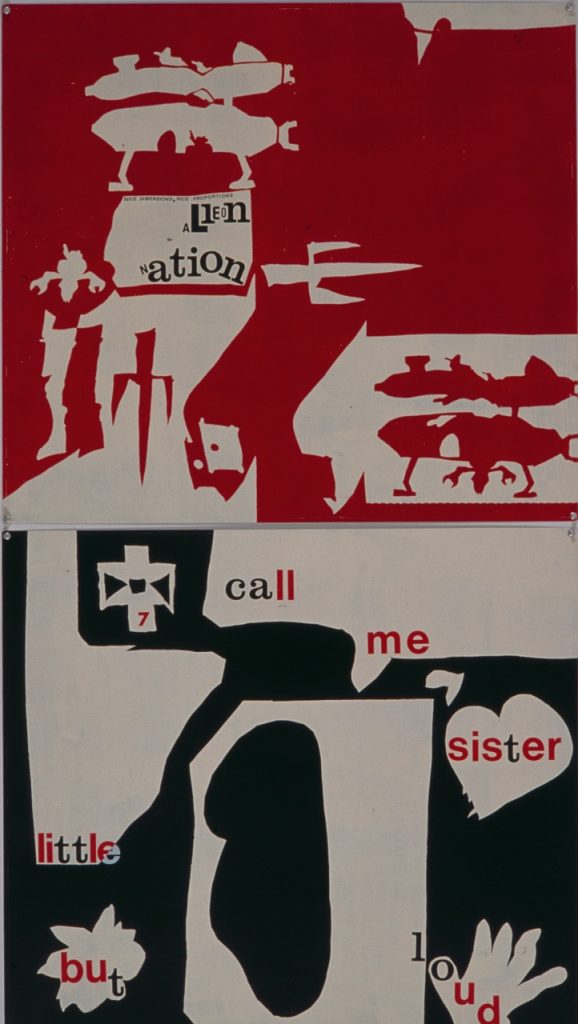
In Kindersigns, Josefa Vaughan first explores a pivotal compositional form that would define her artistic practice to come. And, unexpectedly, one that became a conduit for personal freedom, exploration, and self-discovery. Breaking from traditional figurative and nature-inspired works, in Kindersigns, Vaughan composes through collection and arrangement.
Then a teacher at the Texas Institute for Arts in Education, Vaughan formed a practice of asking her elementary school students to create storyboards from their imagination, from which she would tailor lesson plans and classroom discussions. These storyboards were varied, illuminating, silly, profound–as her parents had always instilled, there was the “amazing wisdom” that comes from children.
In tandem with this growing storyboard repository, Vaughan was undergoing a period of personal transformation while preparing to leave her hometown of Houston for the first time, and grappling with the introspection and childhood reflections that accompanied. In each Kindersign, Vaughan works through questions of power and freedom by juxtaposing an innocent voice–pulled from her students’ storyboards–with an authoritative voice, often quotes culled from literary classics. Though she set out to strip her art from narrative, nuance, and depictions of reality, she in turn experienced a sense of contextual freedom that allowed her to explore her own personal story through the voices of her students.
Year
1990-1991
Exhibition
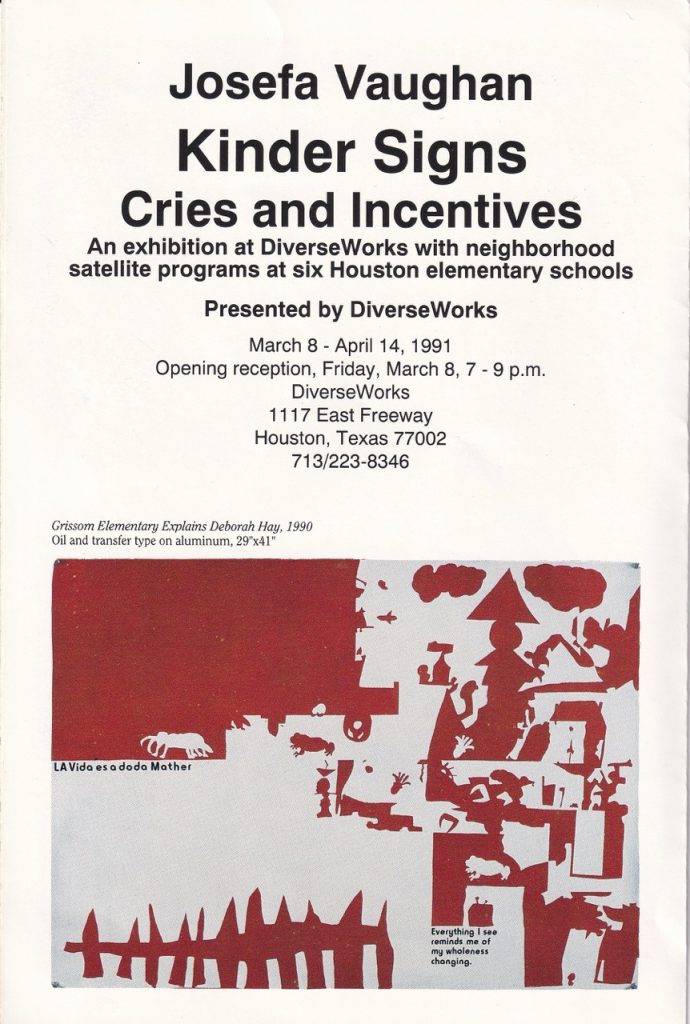
“KinderSigns, Cries, and Incentives” at DiverseWorks Gallery and Six Houston Elementary Schools and their communities
Collaborators
Storyboard creators; Students participating in programs through the Texas Institute for Arts in Education
Materials
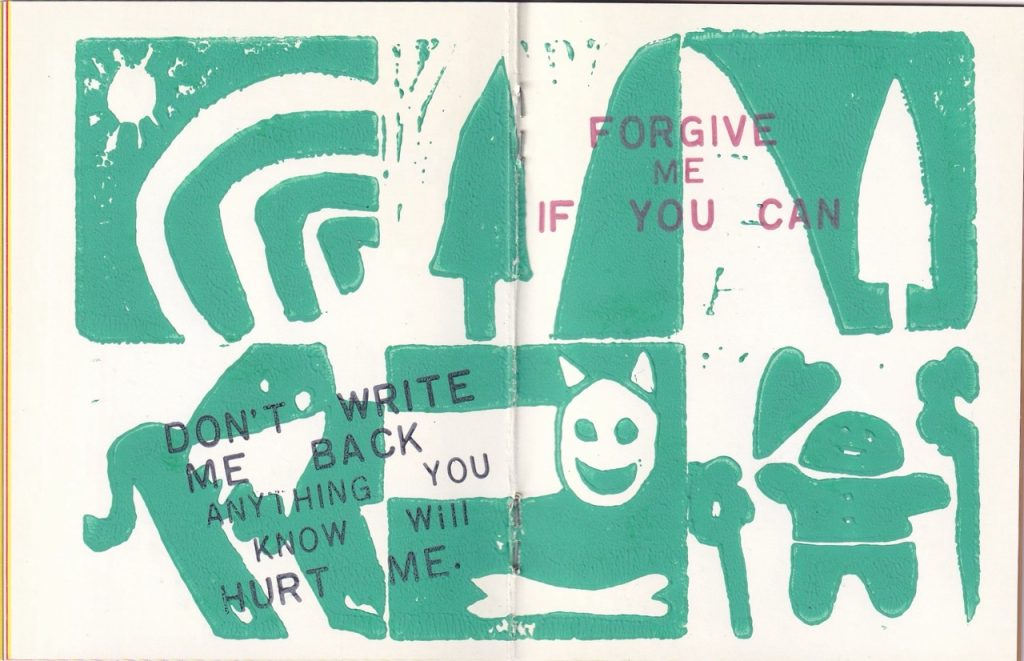
Repurposed aluminum offset lithoplates, linoleum block prints, and textless photocopied images on flyers with tabs

Panels
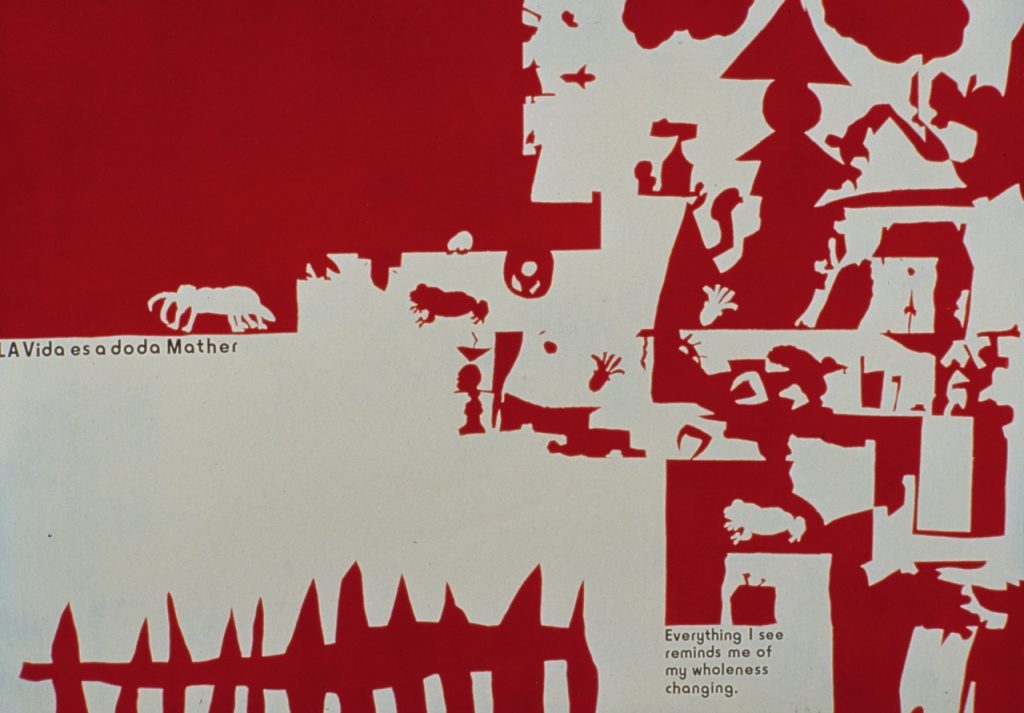
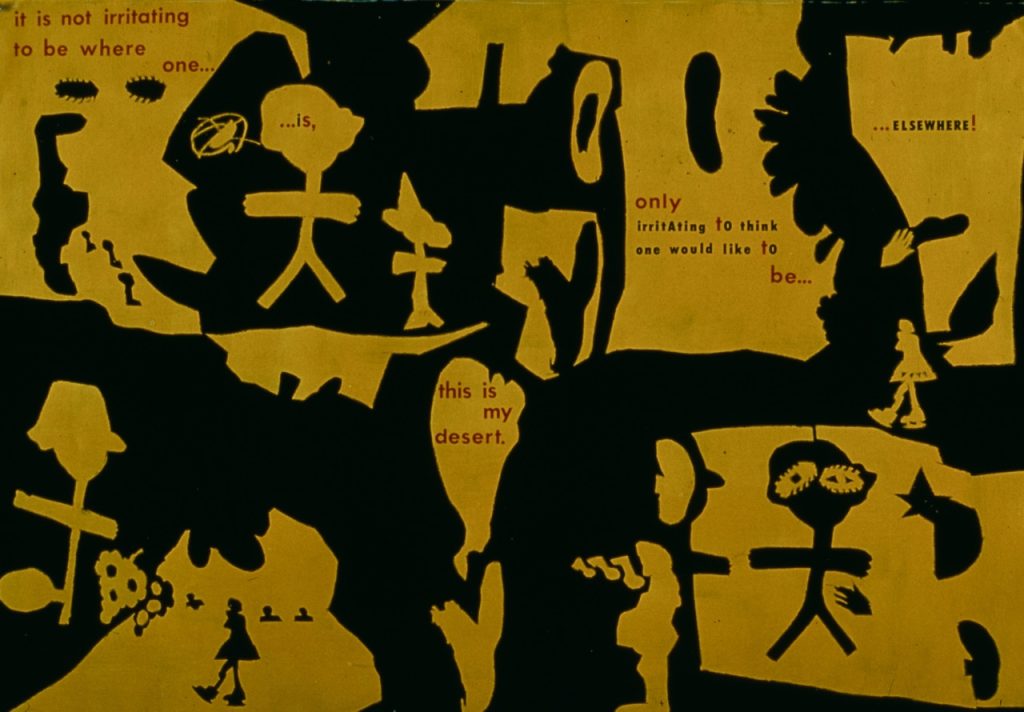
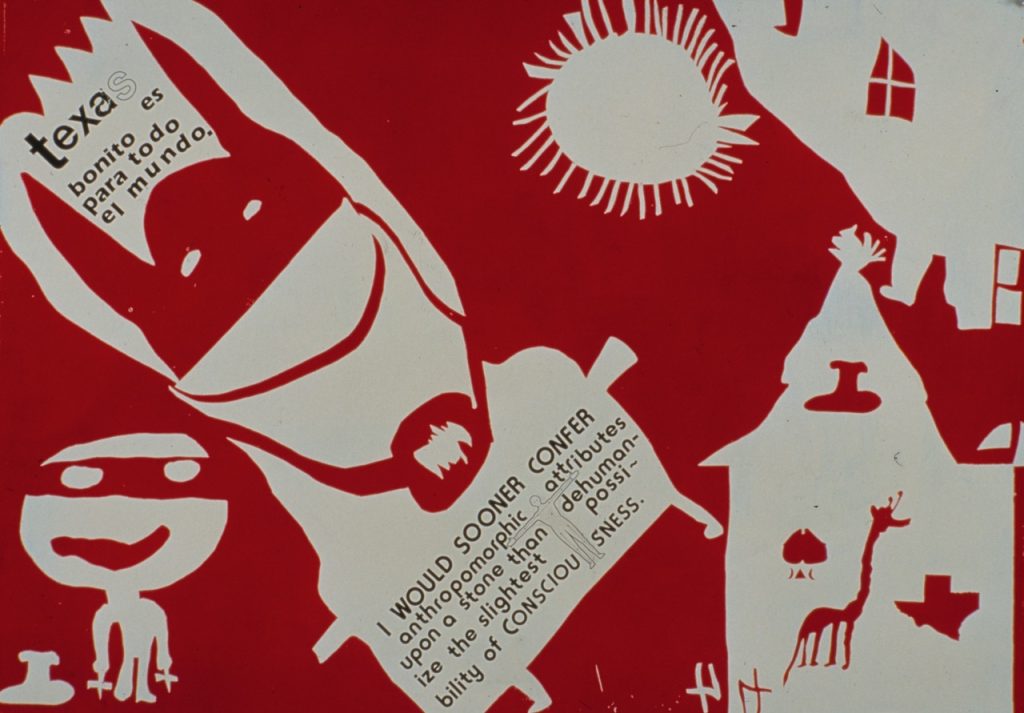
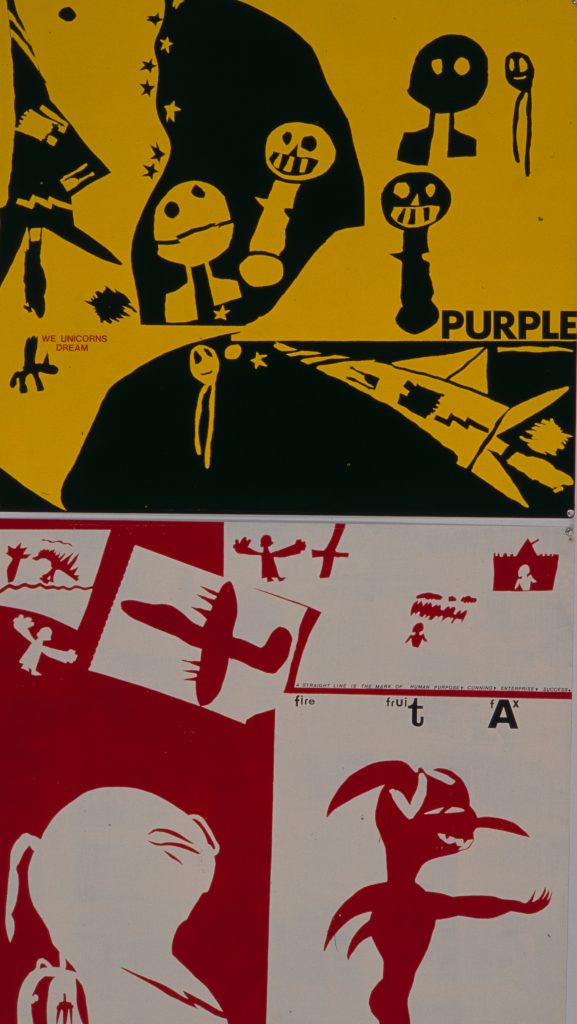
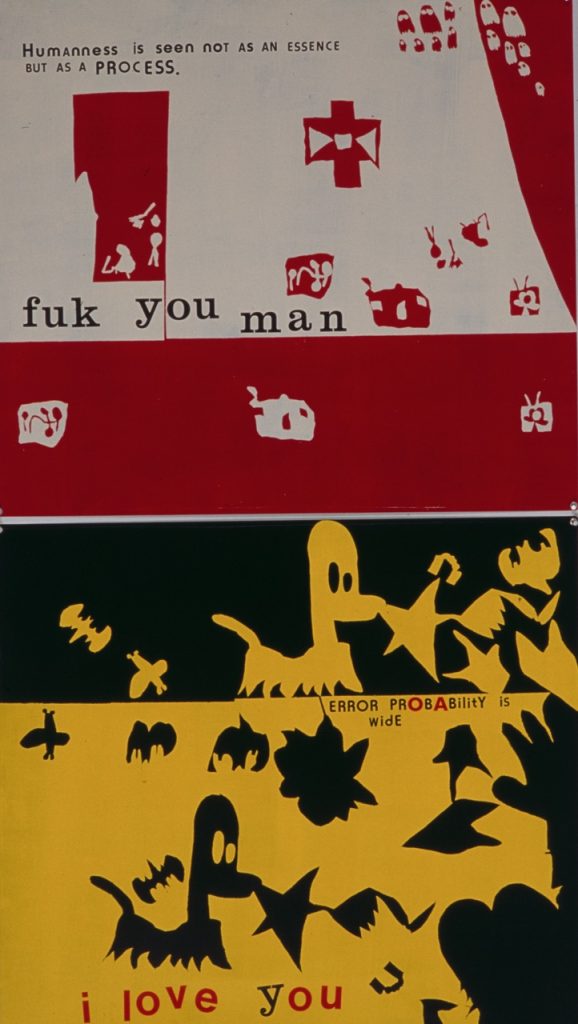
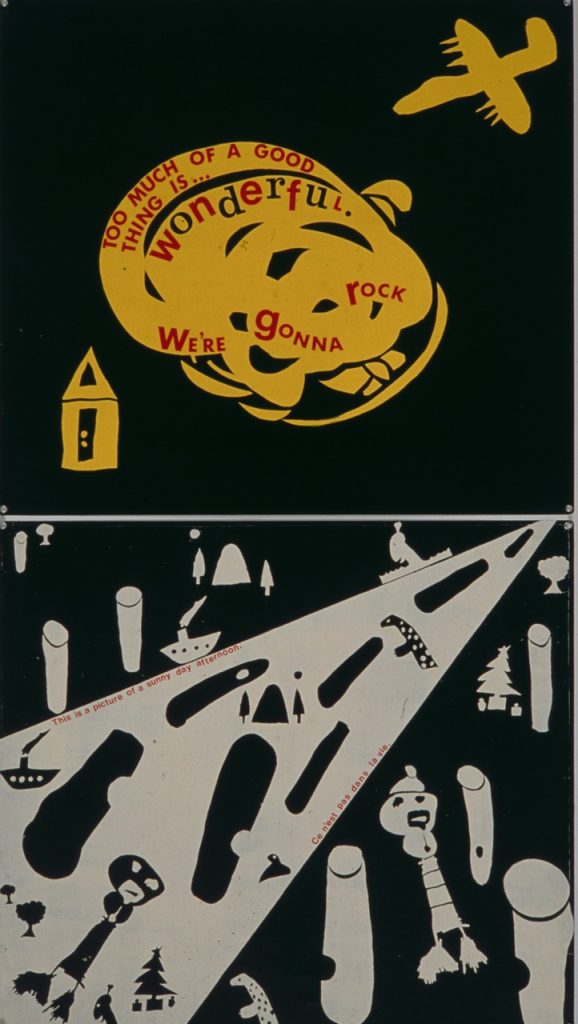
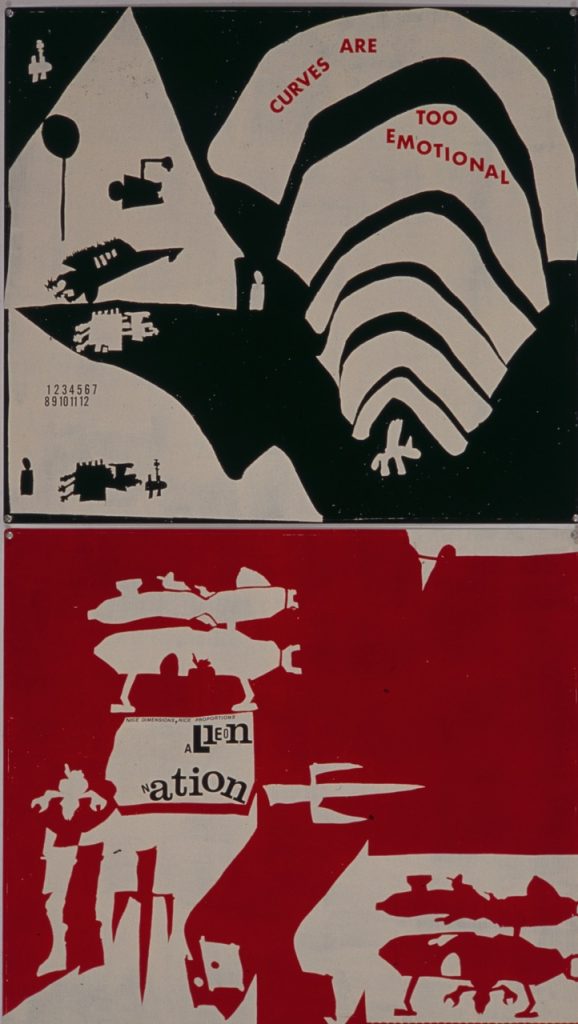
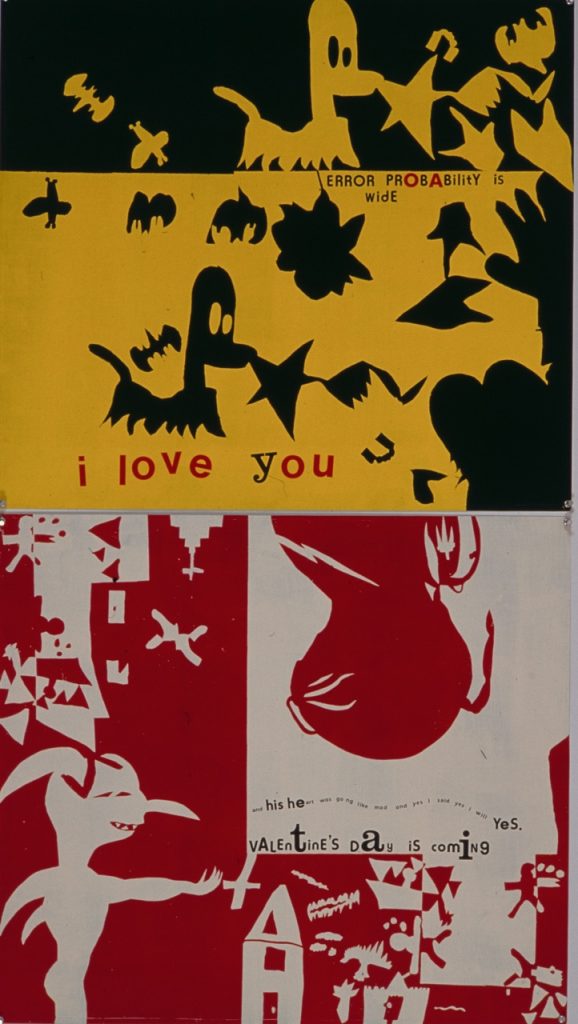
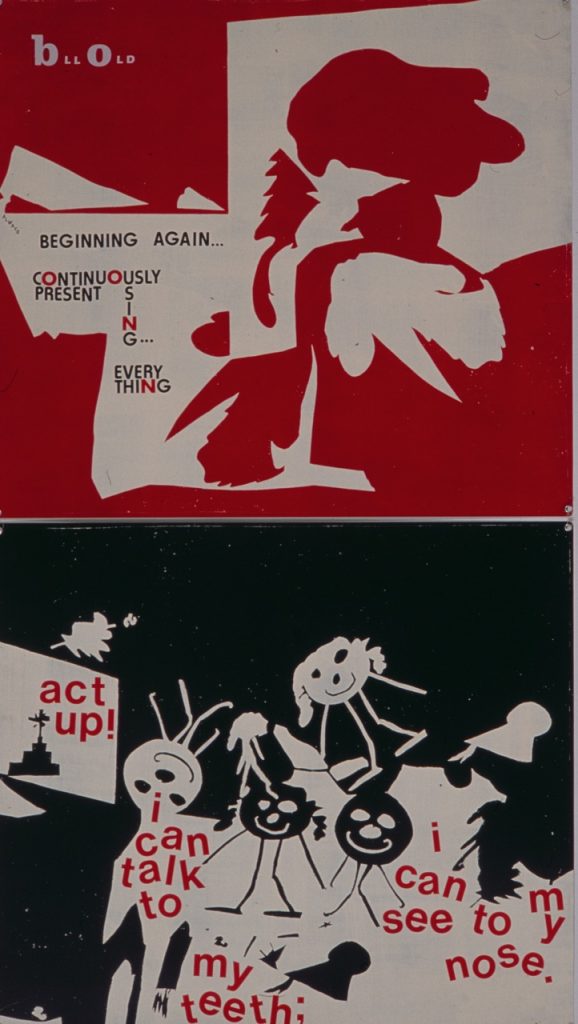
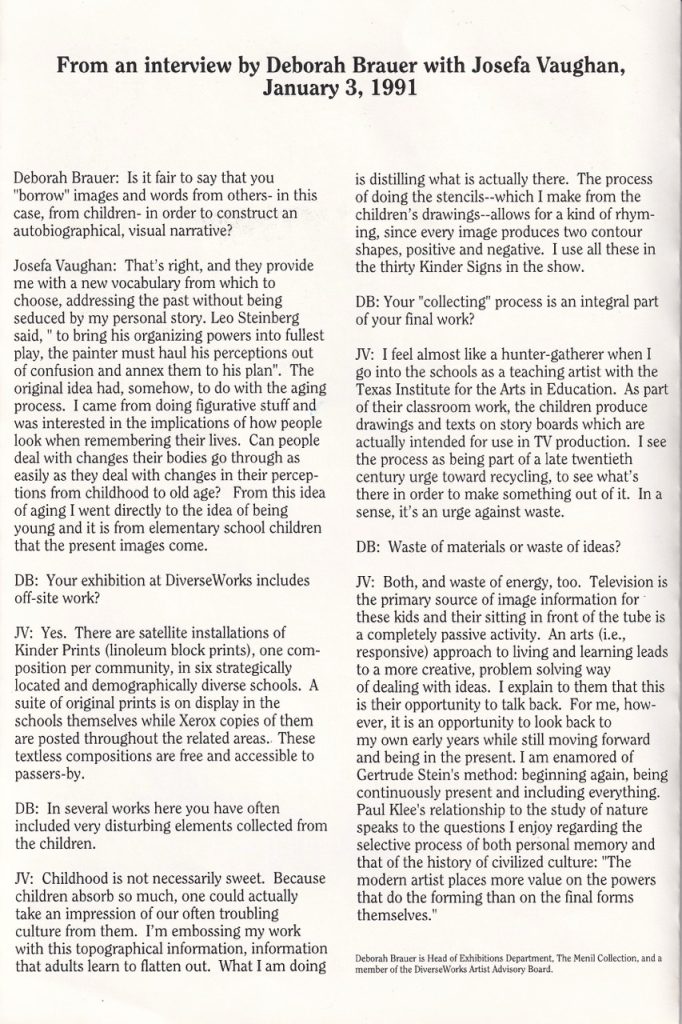
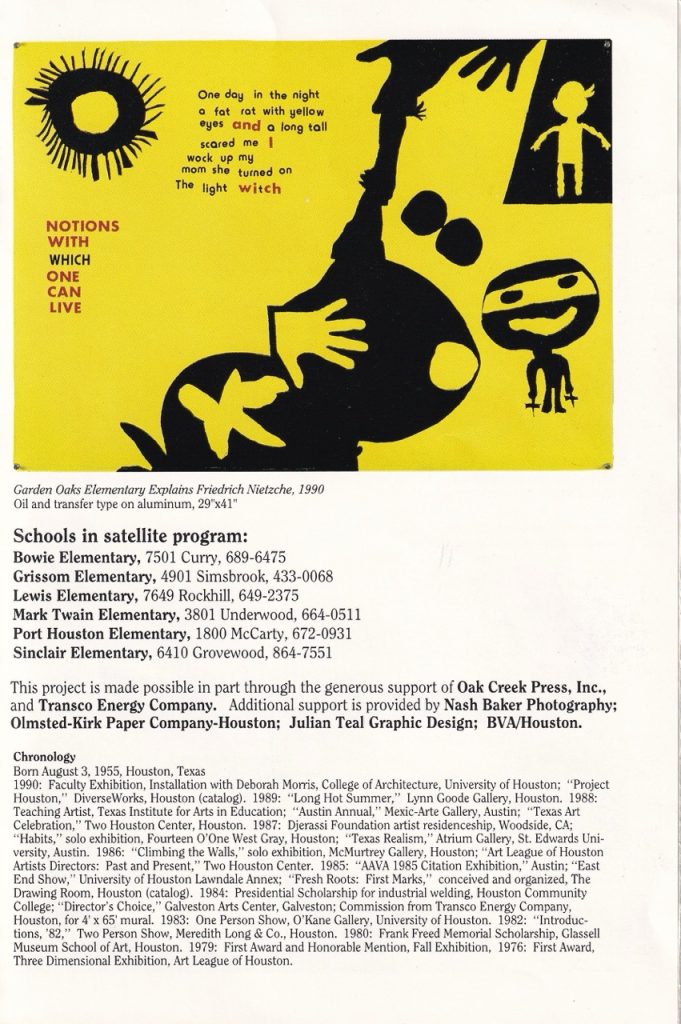
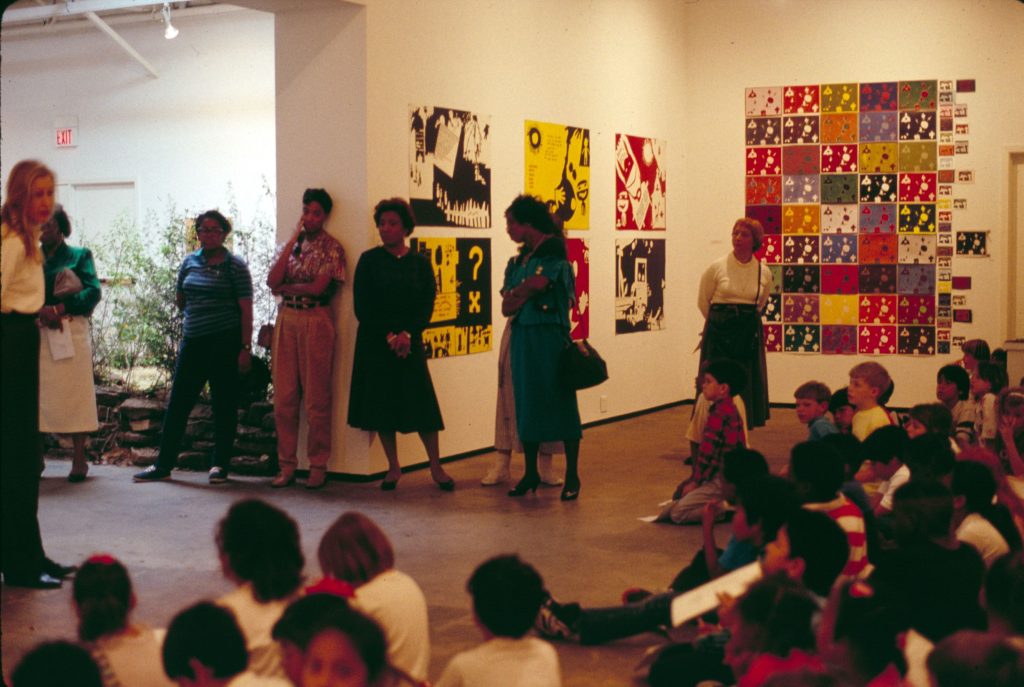
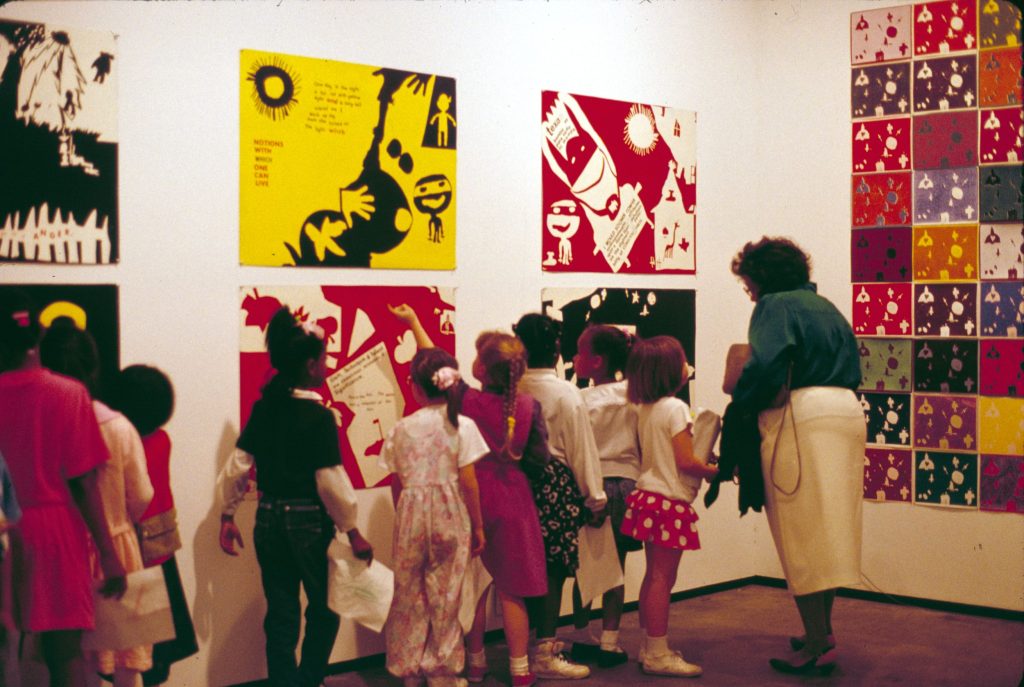
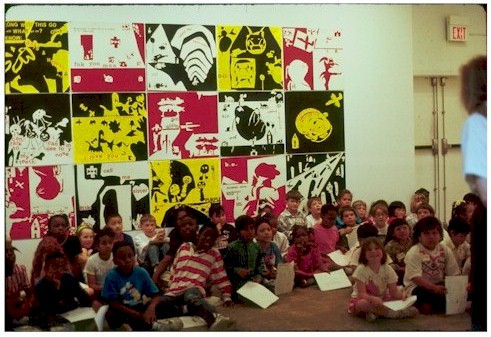
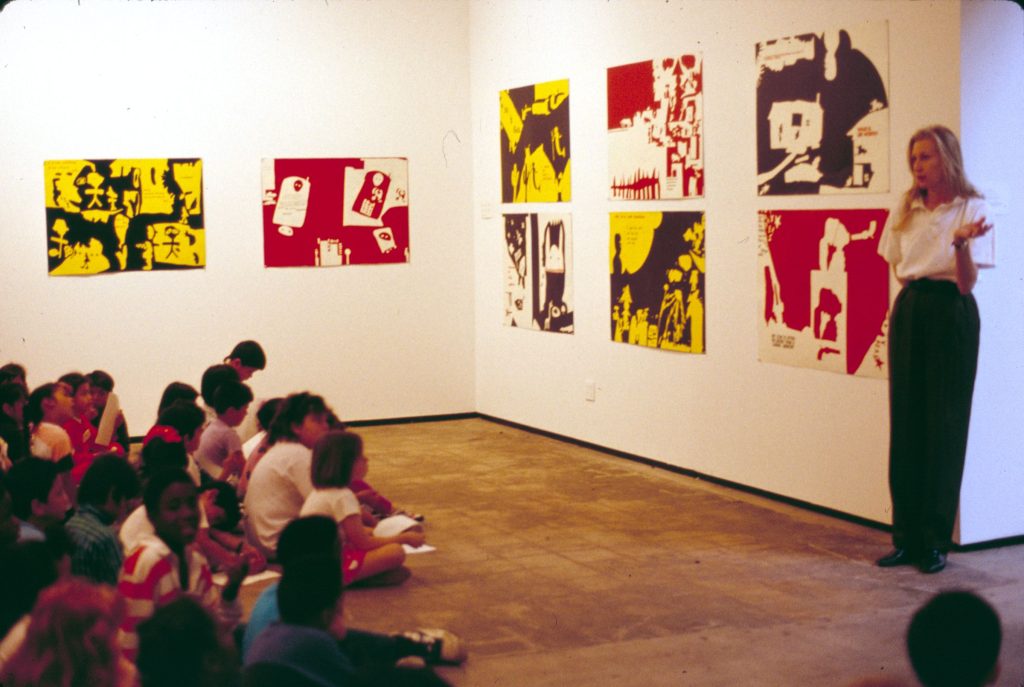
In her exhibition at Diverse Works, Kindersigns consisted of 35 panels of aluminum offset lithoplates. She created and arranged stencils from the storyboards, pairing these with text applied with letroset. Inspired by a recent trip to Europe, where she saw how road signs conveyed a sort of universal language among different cultures, she opted for similar red, white, black, and yellow color pairings.
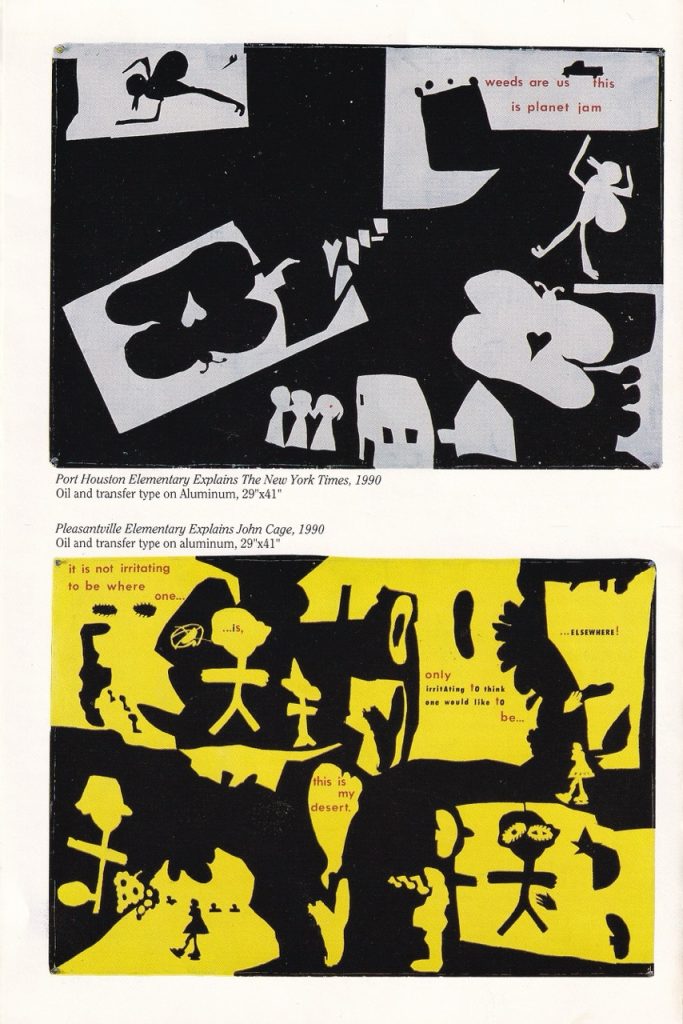
“Weeds Are Us” represents the first piece in Kindersigns. Upon reading an article, Weeds are Us, by Michael Pollan, Vaughan had experienced a watershed moment.
Reflecting on how she had always wanted to be free, and structureless, and unbound, for the first time she realized that she could actually find that sense of freedom by understanding structure. That boundaries and systems could liberate.
Having come across a student’s storyboard phrase, “this is planet jam,” Vaughan conceptualized pairing innocent and authoritative voices. Across the subsequent panels–playing with shapes, arrangements, text–Vaughan did in fact discover how this new system of appropriated content that visually insinuates the anonymity of international symbol signs could cultivate something new. Her inquiry into the question of artistic originality brought her to a place where she could acquire a more universal voice to tell her particular personal story free from fears of hurting family.
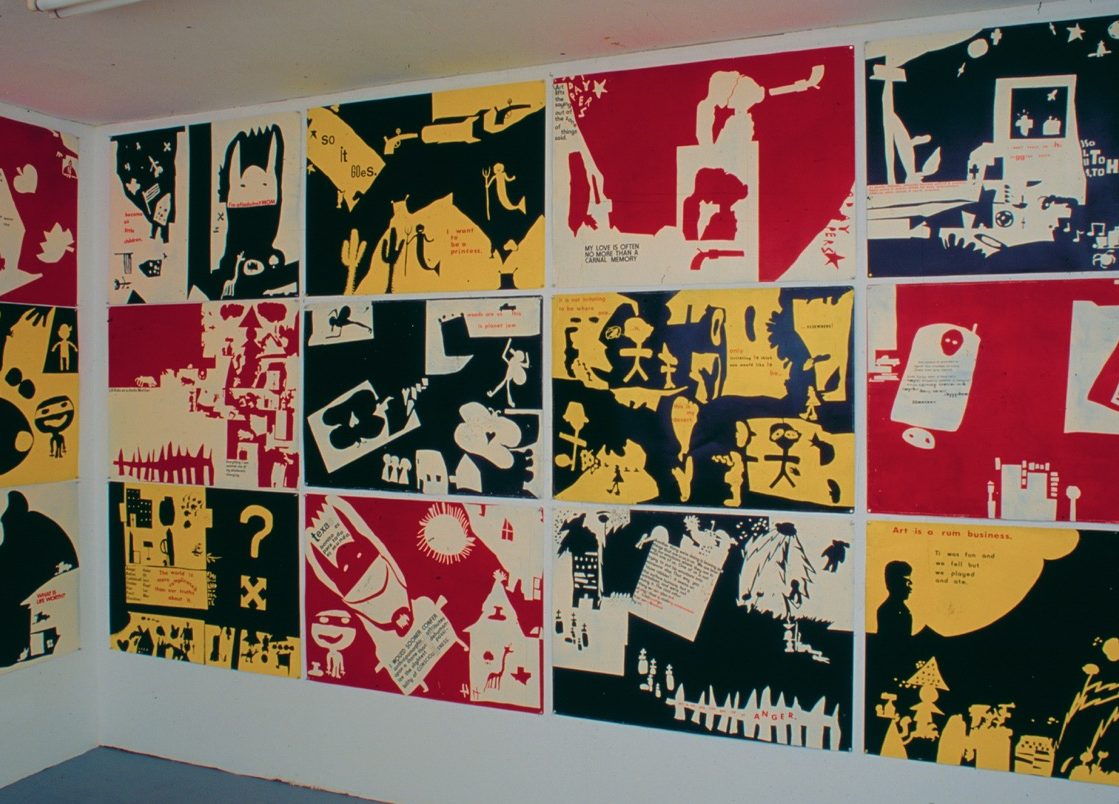
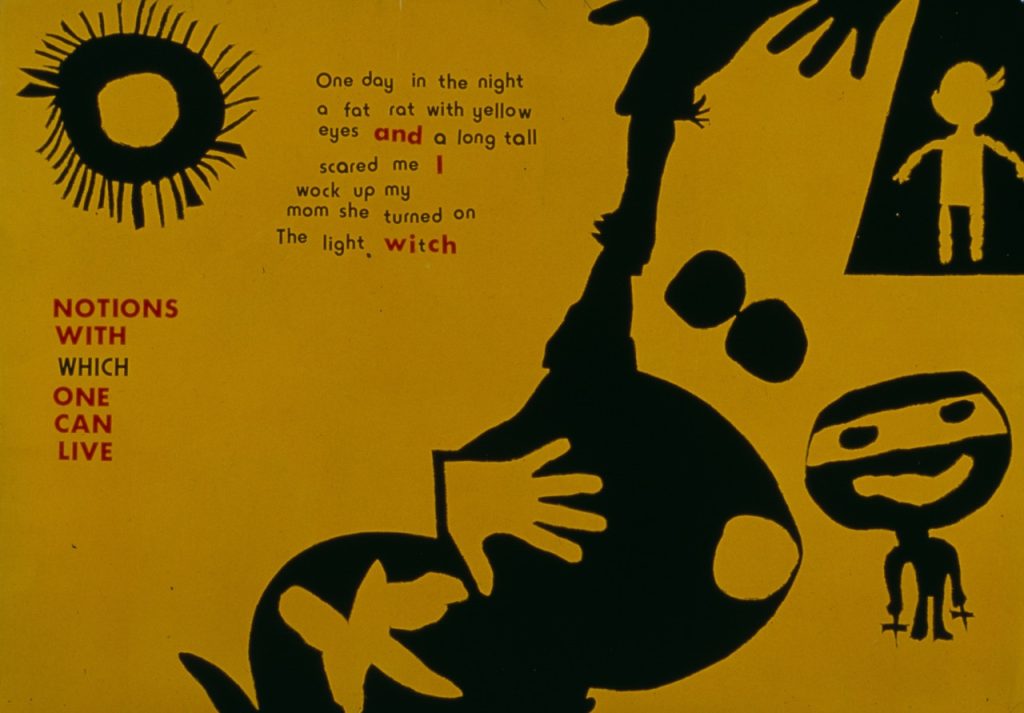
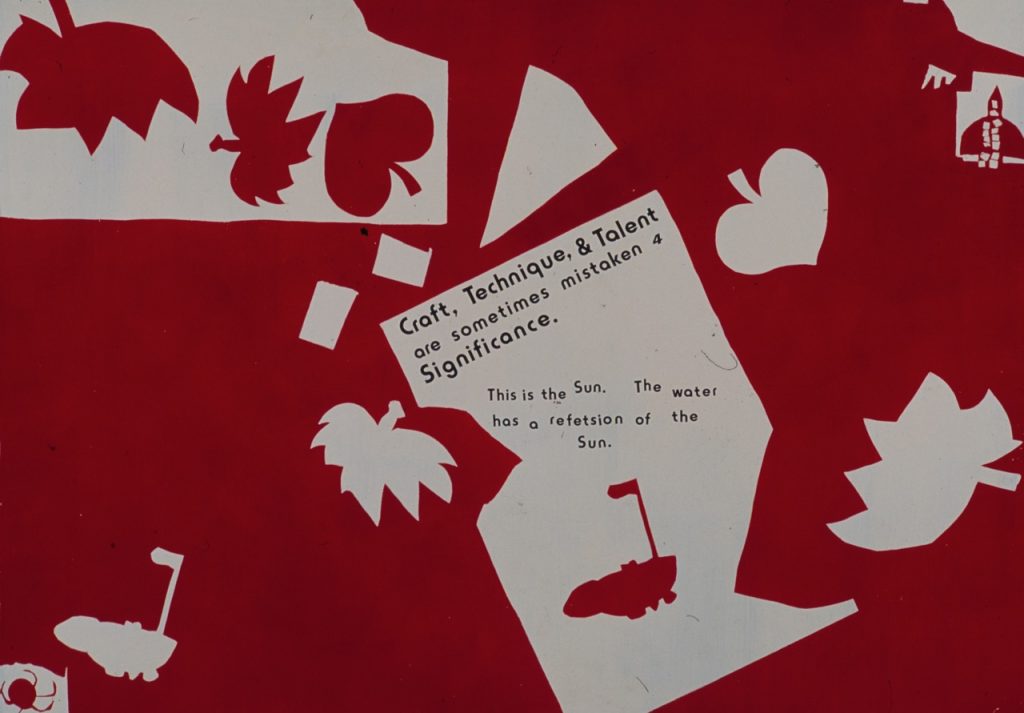
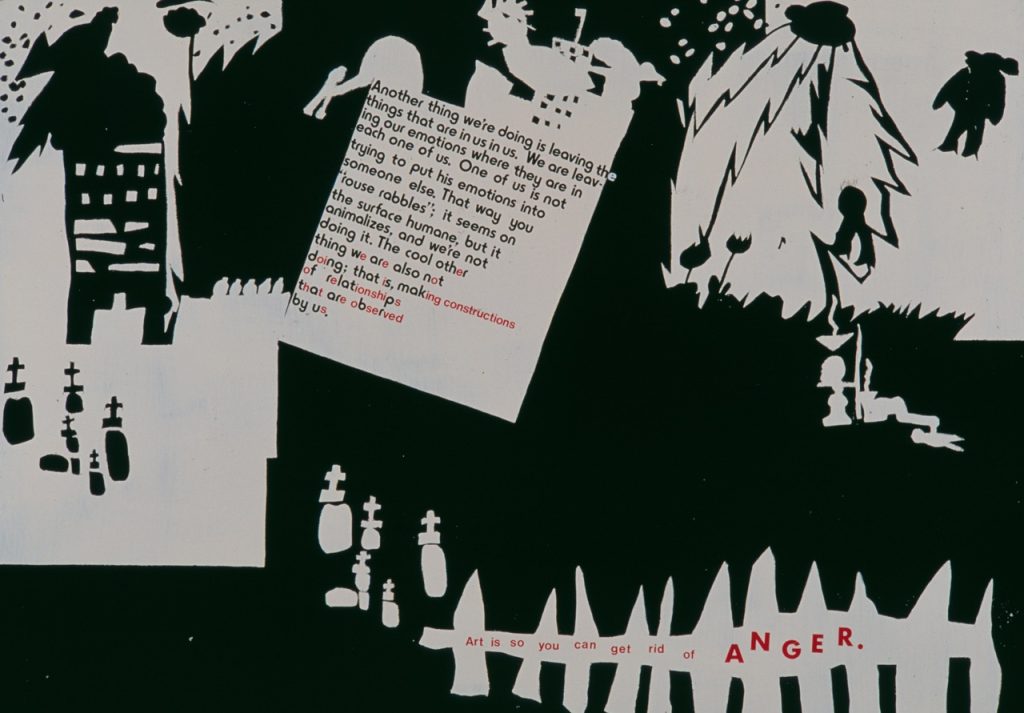
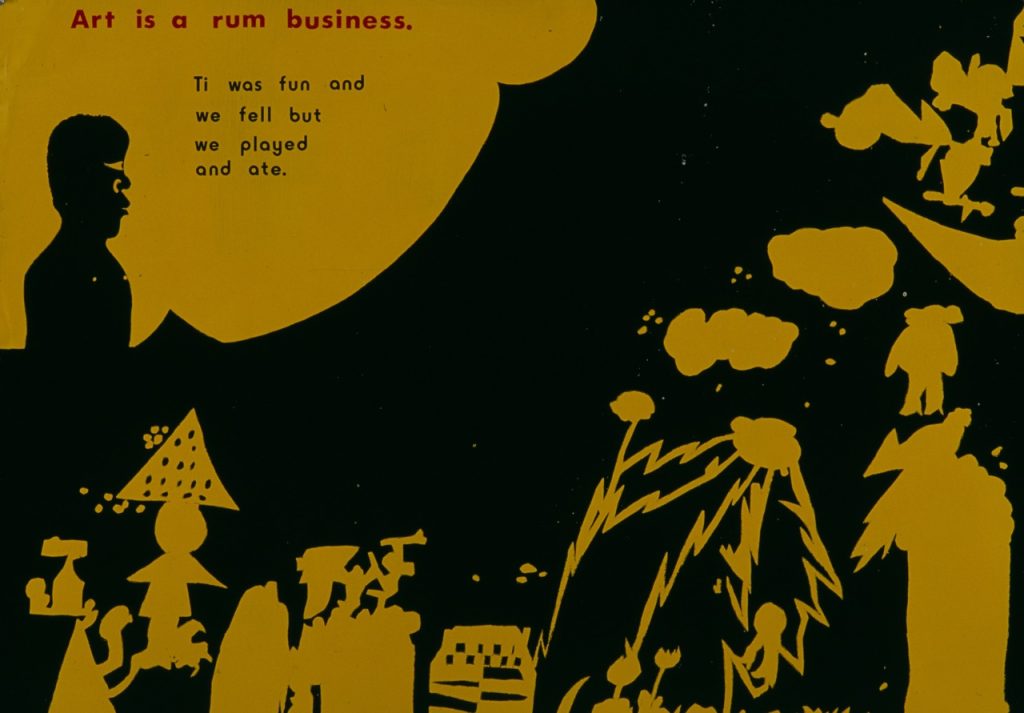
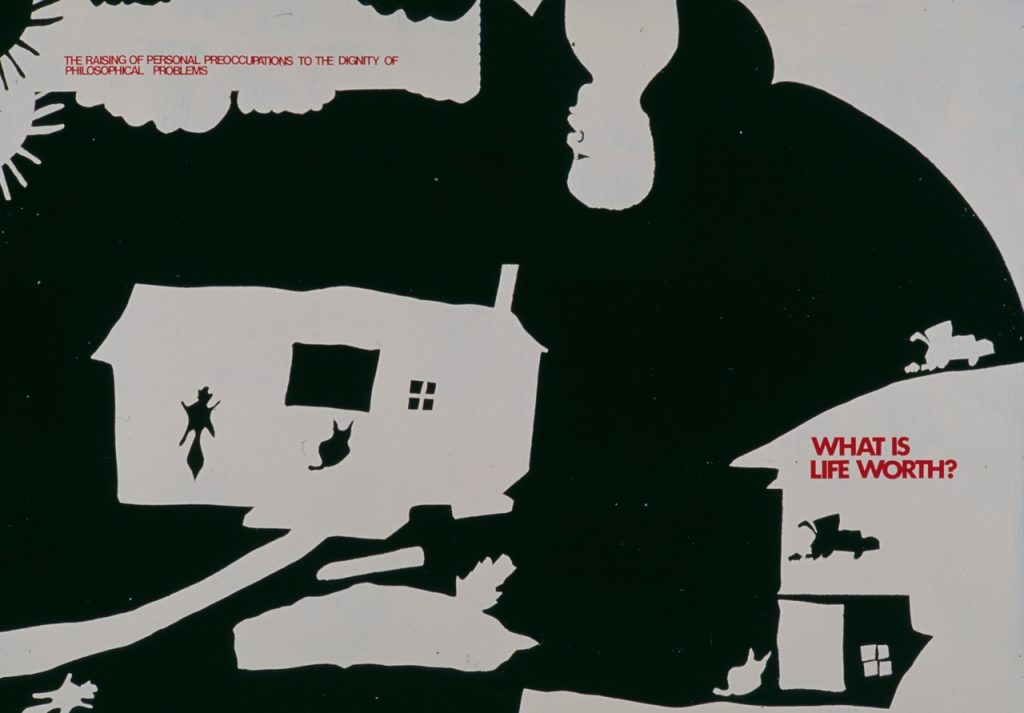
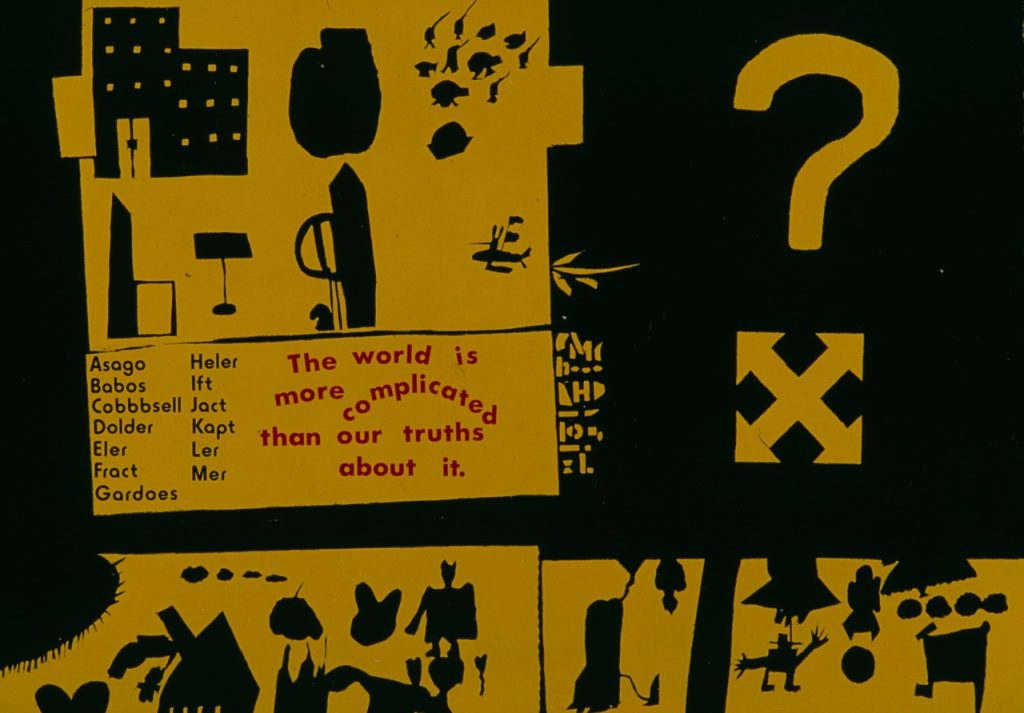
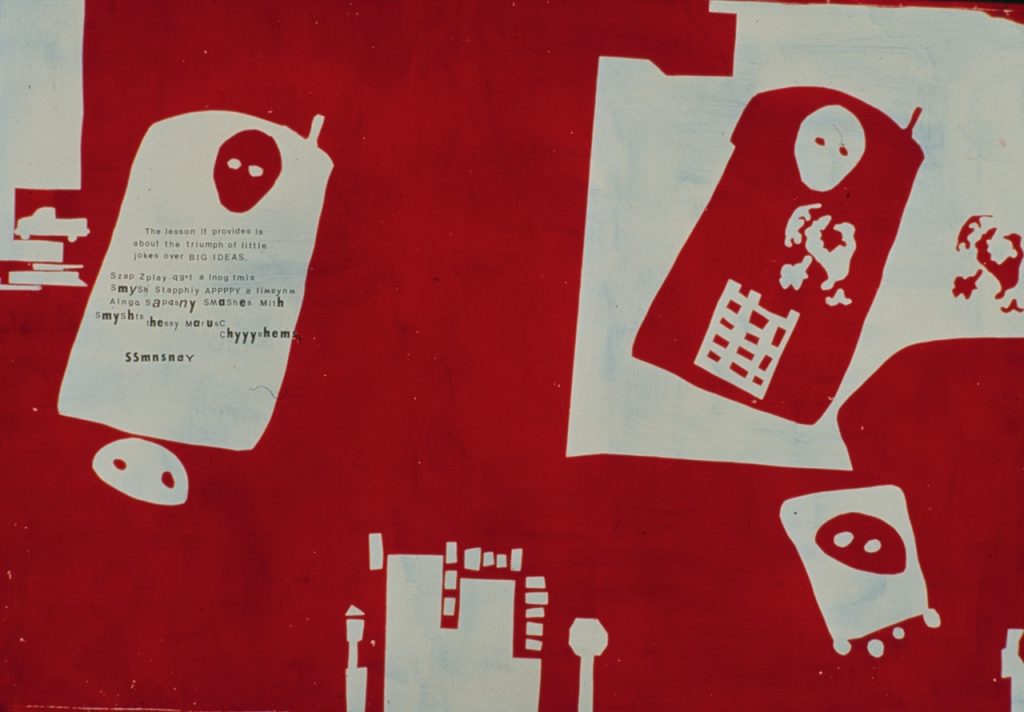
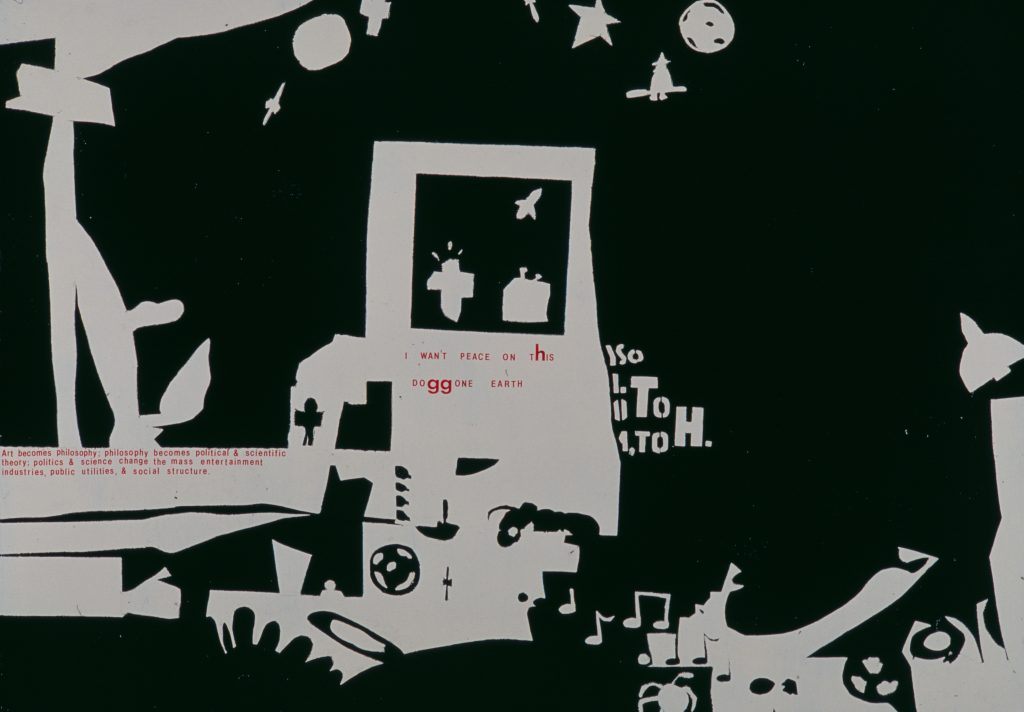
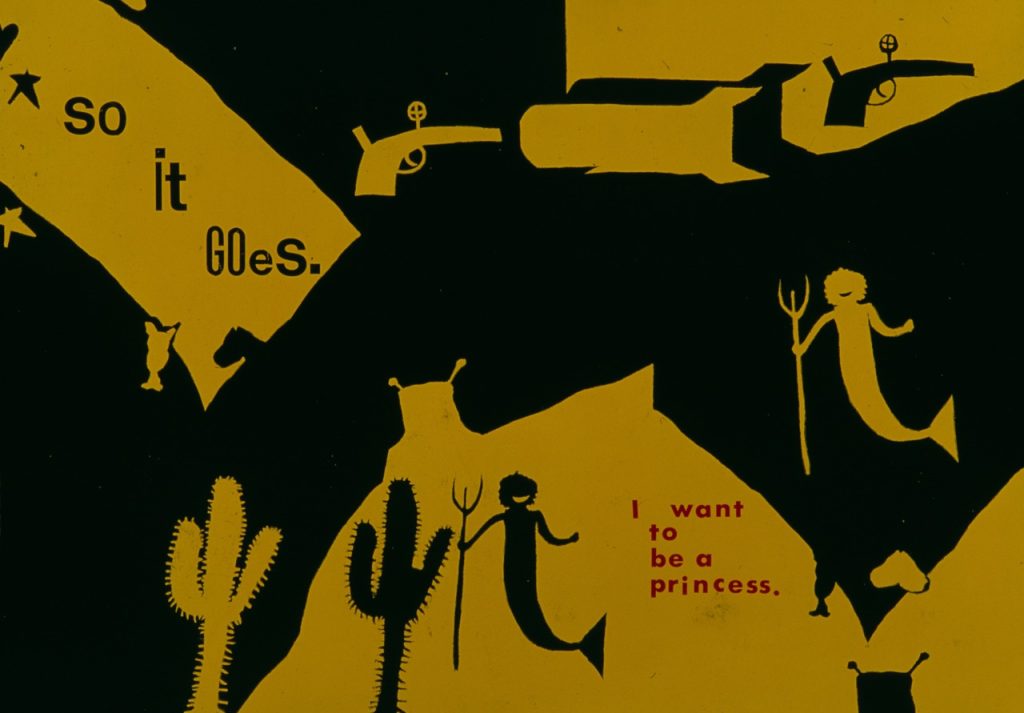
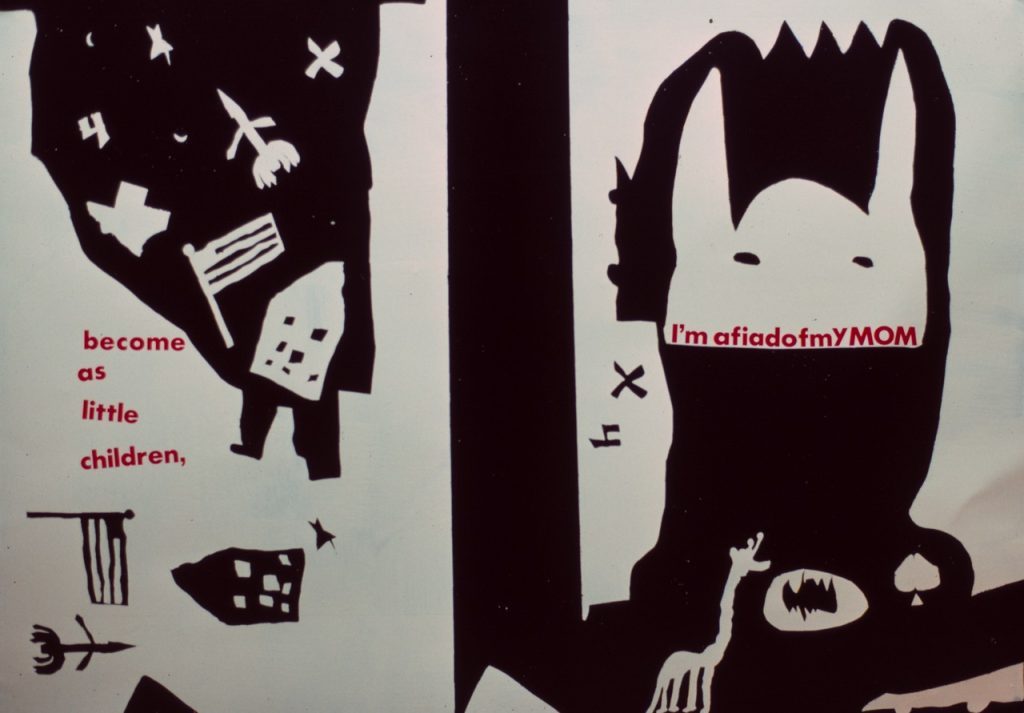
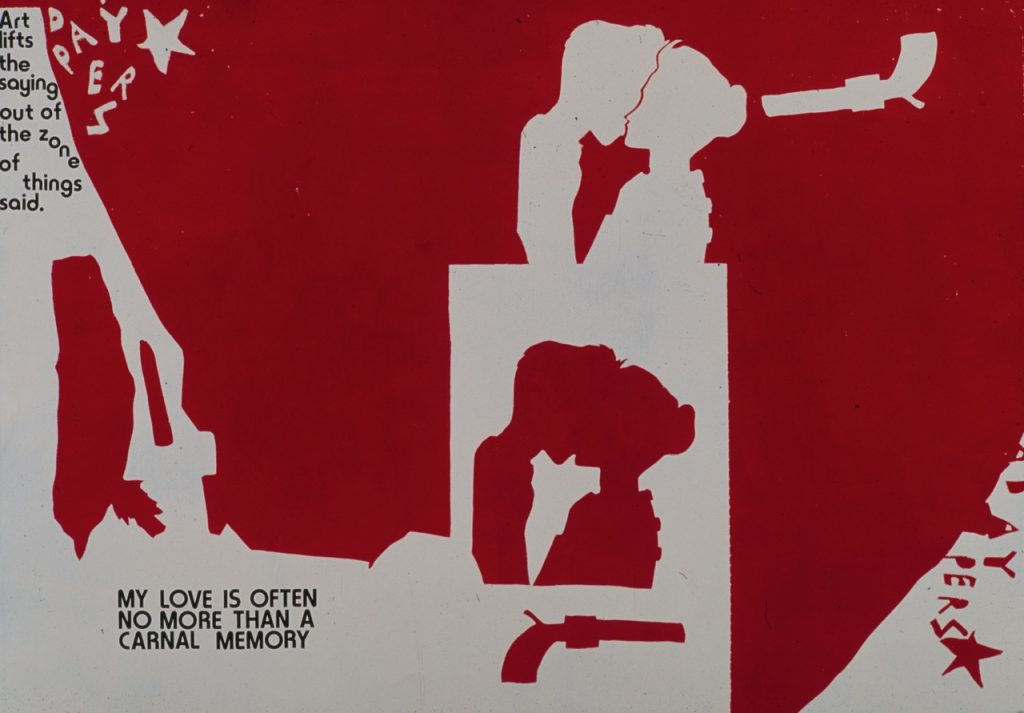
“I was a able to express my own experience of childhood with far more freedom and relevancy using the voices of my students than had I tried to describe the particulars of my own upbringing.“
– Josefa Vaughan

Prints
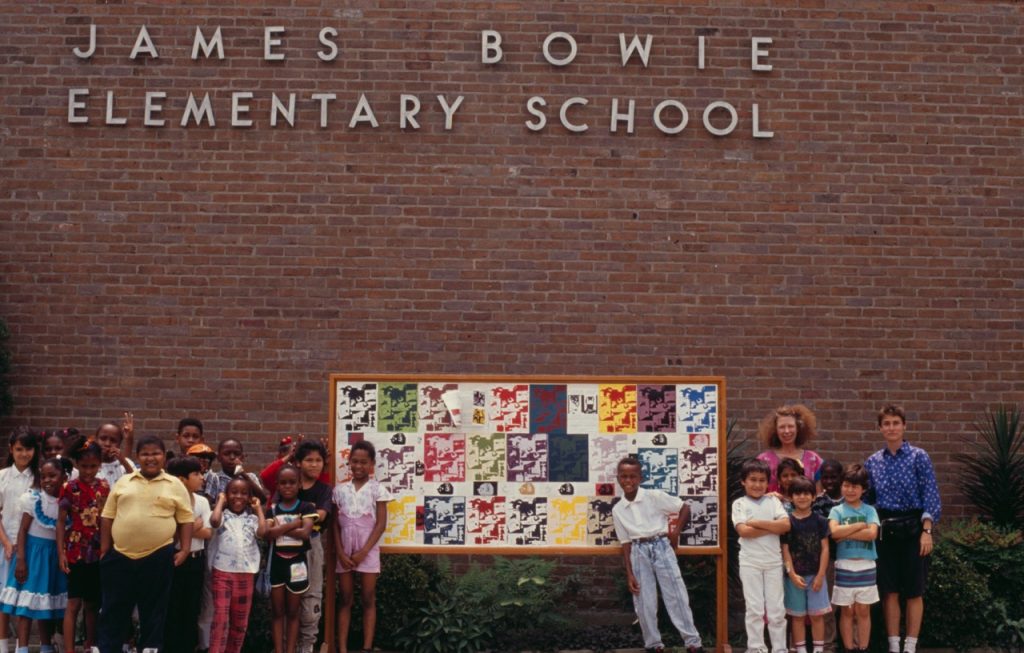
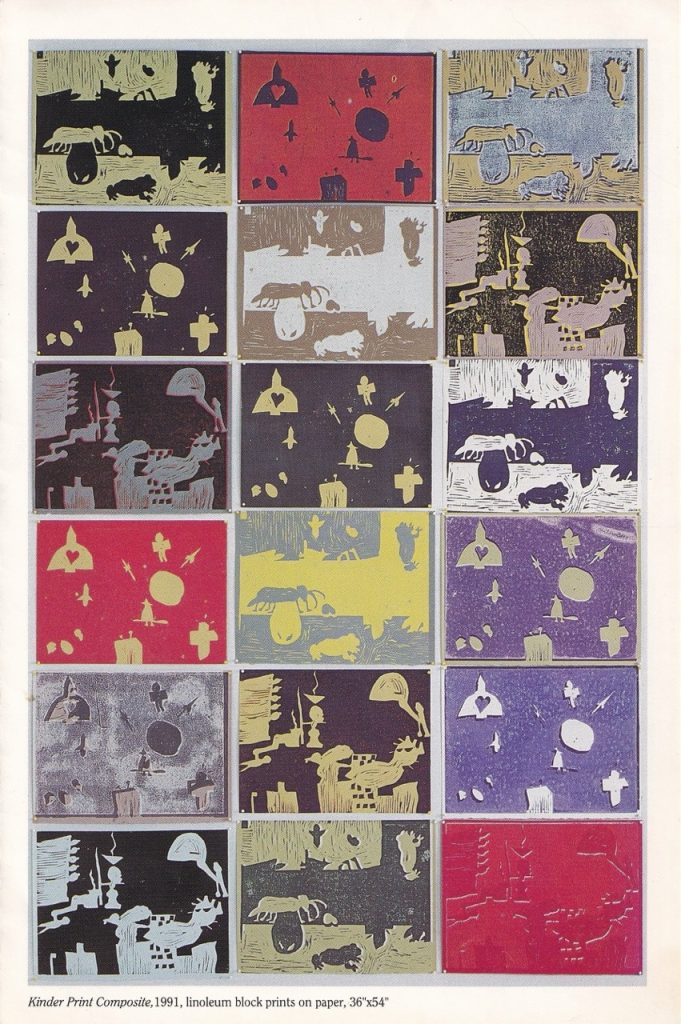
Vaughan knew she wanted to somehow bring the Kindersigns back to her students, as they provided much of the ‘raw materials’ from their storyboards. In addition to field trips to the gallery, she created linoleum block prints and brought them into the six elementary schools she was teaching in.
The students were enamored by seeing their storyboards come to life, and by getting to see a ‘real artist.’ To Vaughan, the whole process of Kindersigns was a “give-and-take” with the students, where she could learn from them as they learned from her.
Flyers & Artist Book
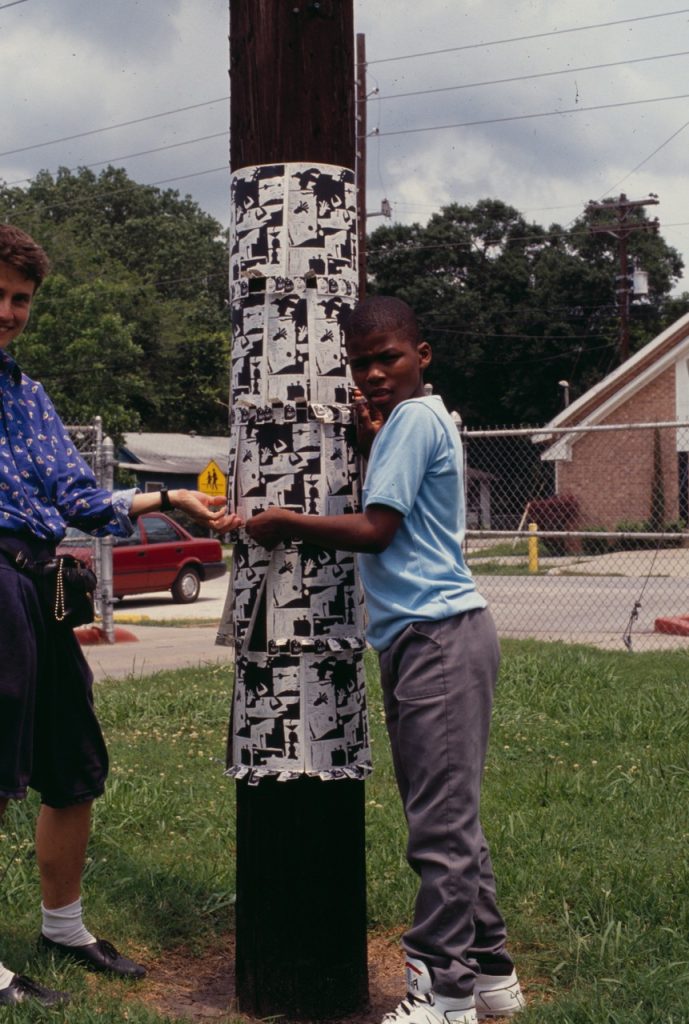
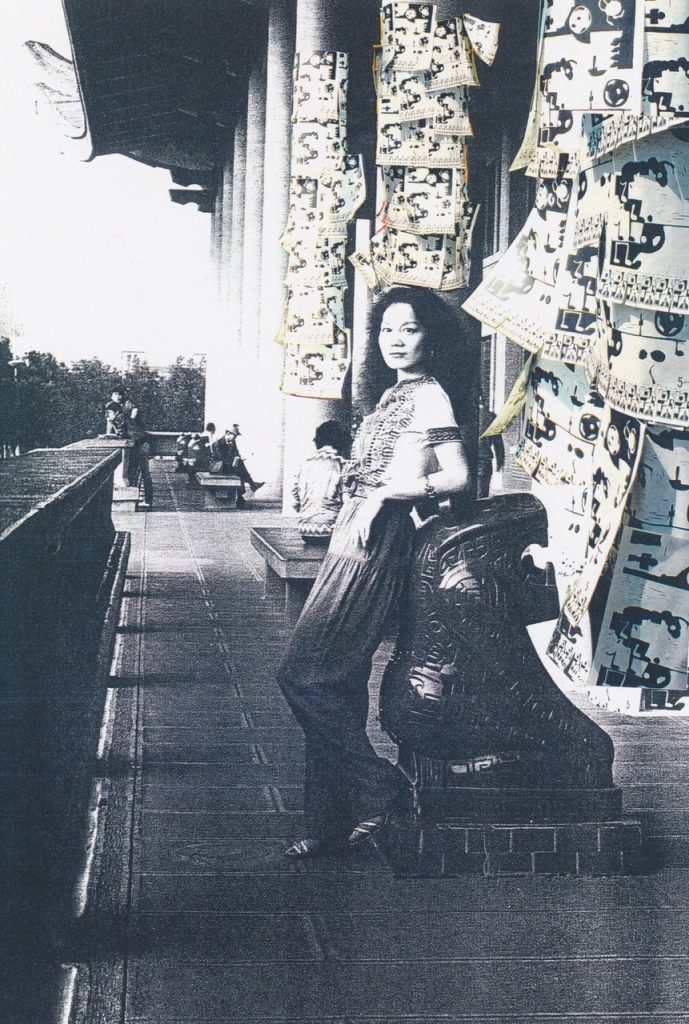
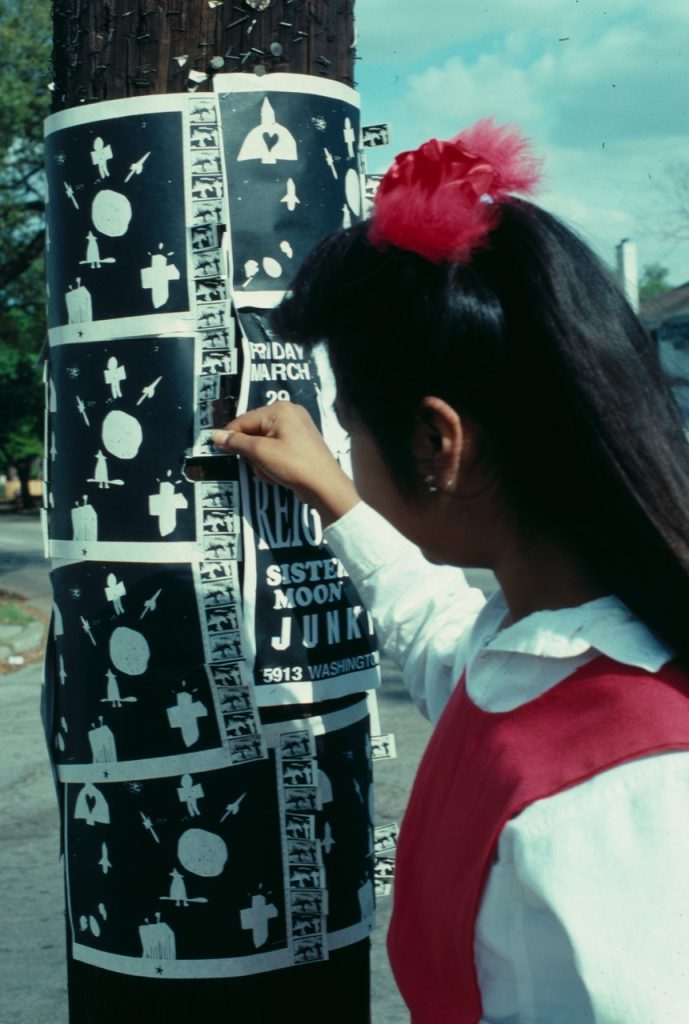
Intrigued by the idea of gallery pieces being disseminated into more casual spaces, and of further sharing the art with her students, Vaughan then created flyers of the Kindersigns. Her students helped post them in the elementary schools and surrounding neighborhoods.
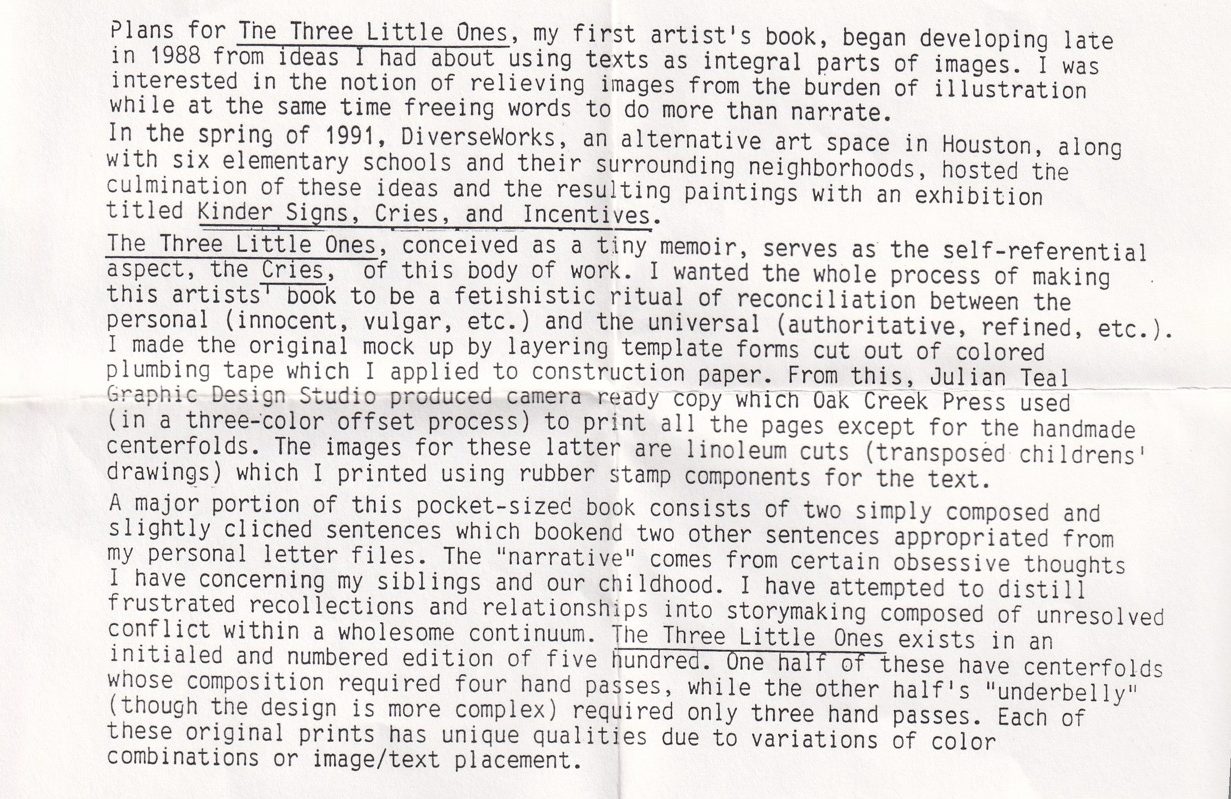
This became the start of a sort of trickle-down theory that Vaughan would practice in subsequent projects (see Inklings & Iotas). She also created her first artist’s book, The Three Little Ones, to continue exploring these ideas.