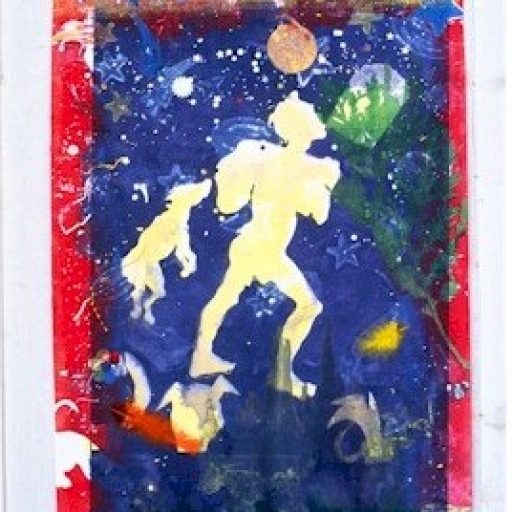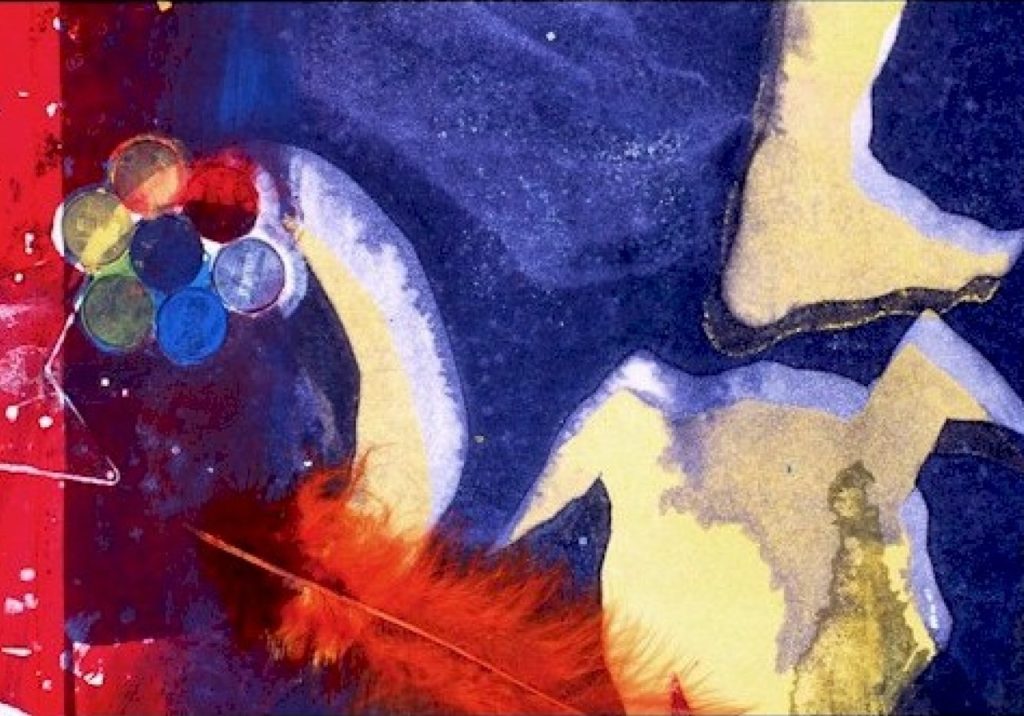
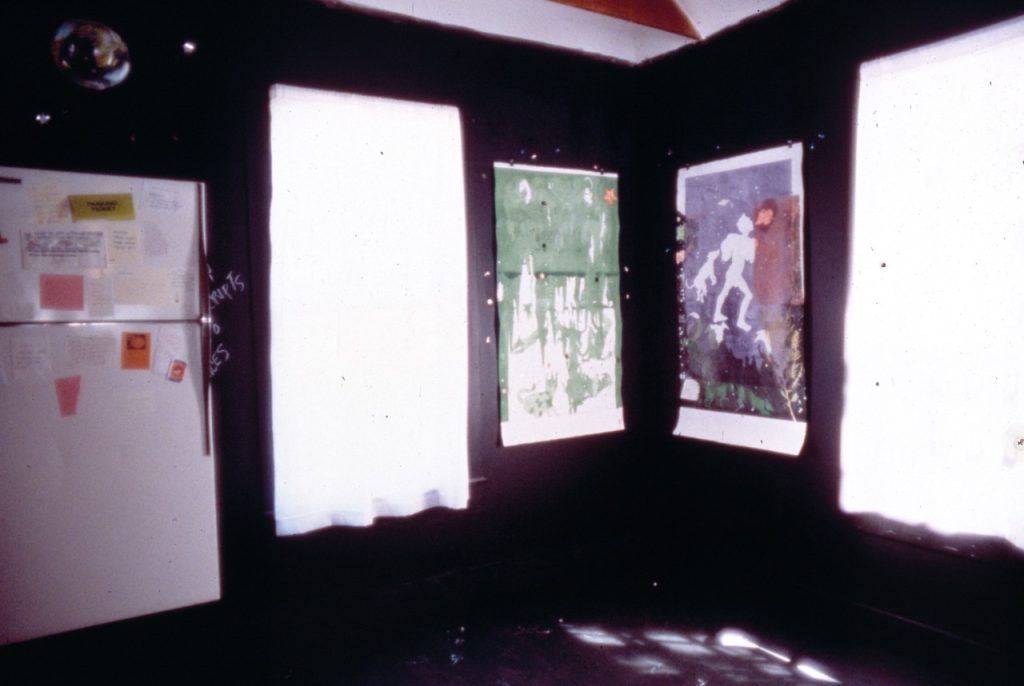
House of Daddy Dreams was a collaboration between Josefa Vaughan, Dean MacCannell, and Juliet Flower MacCannell for Project Row Houses, Houston. First opened in 1993, this public art project reclaimed 22 shotgun-style houses as spaces for cultural and social revitalization through community services, residential programs, and art installations. Vaughan and her collaborators chose to anchor the theme of the installation in their house on the role of the father, as conceived by individual members of households and social constructs alike.
Vaughan’s father was a retired machinist who dreamed of a world governed peacefully by a redefinition and redistribution of power. In his unpublished writings, this outsider-intellectual with an eighth-grade education coined this “new science of integration” as Metacracy. Vaughan grew up wondering if art too could be an integral part of Metacracy since it was essentially beyond rule. Her multi-paneled wall piece, Scratch Pop, depicts a writing that a long lost sister found and sent to her.
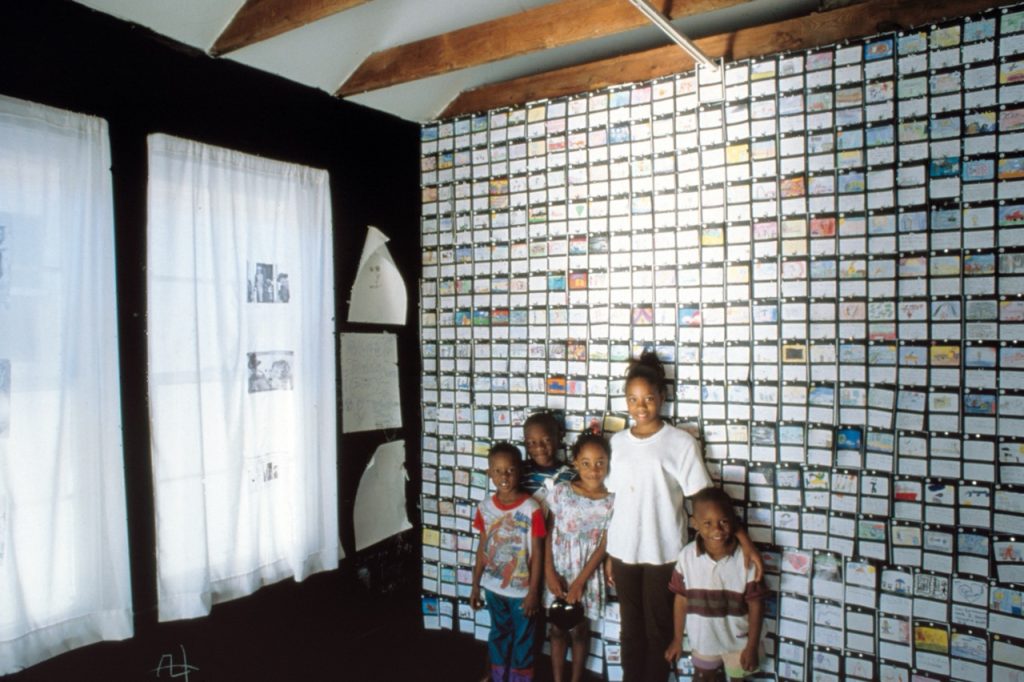
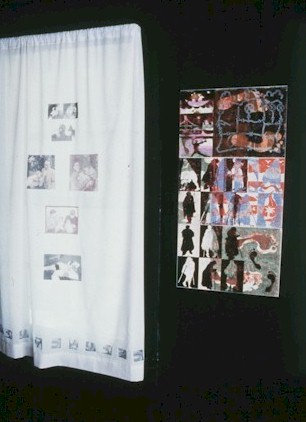
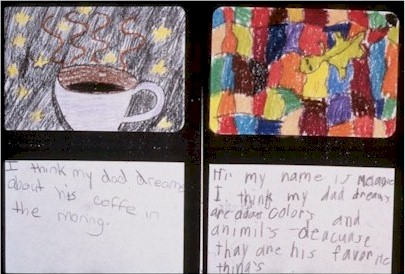
While musing on her father’s work, Vaughan collected storyboards responding to the question “what does your daddy dream?” She engaged with students in public schools in Houston– including her elementary school alma mater–as well as folks of all ages and backgrounds from other parts of the country.
Responses included doodles and anecdotes such as, “oh, I don’t have one,” or, “well, I don’t know mine” (because many youngsters in the neighborhood around Project Row Houses have fathers in prison). Vaughan realized that she too felt a vacancy due to the lack of time she had with her aging father who began his decline in her teens. As dinner table recipients of his lectures on Metacracy, she and her siblings all struck out on their own quests to find out what it means to be truly sovereign. Set in the historical and cultural backdrop of Project Row Houses, House of Daddy Dreams implores visitors to walk the halls of their own relationships with their fathers.
Year
1997-1998
Exhibition
Project Row Houses, Houston
Collaborators
Dean MacCannell and Juliet Flower MacCannell; Storyboard creators in Houston public schools
Materials
Keystone mural: acrylic on reclaimed aluminum offset litho sheets; community storyboards; monotypes on paper; photo transfers on curtains; mixed media on refrigerator
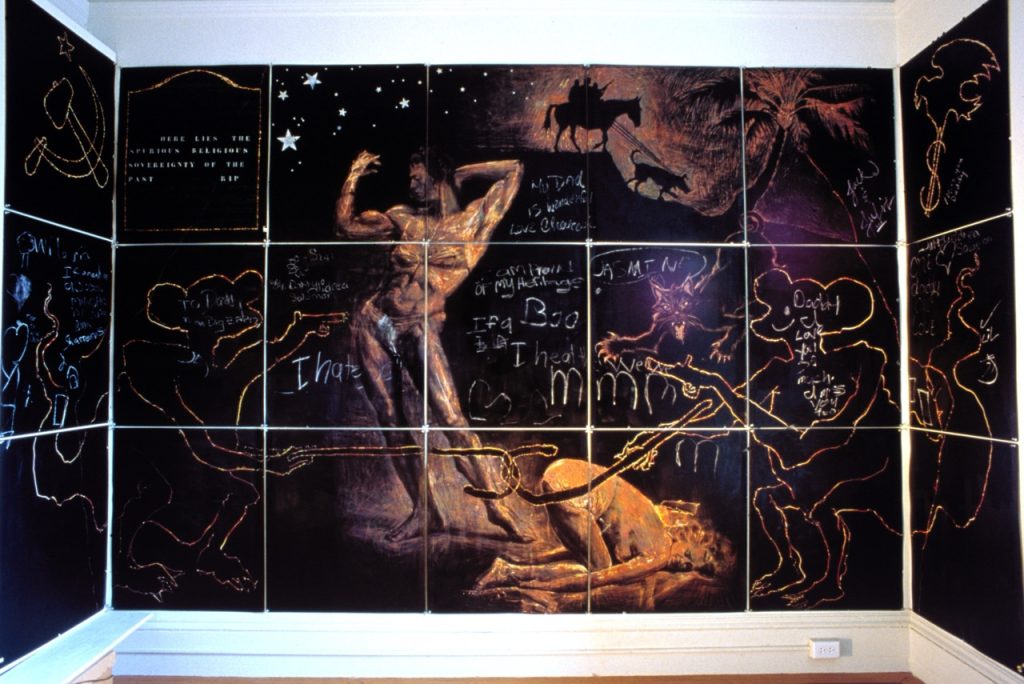
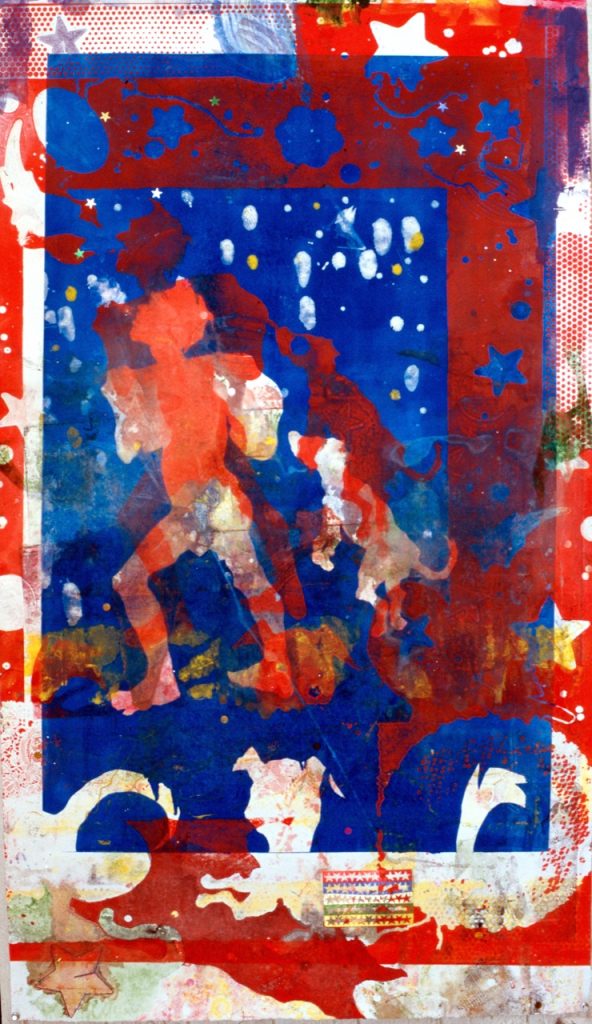
Scratch Pop
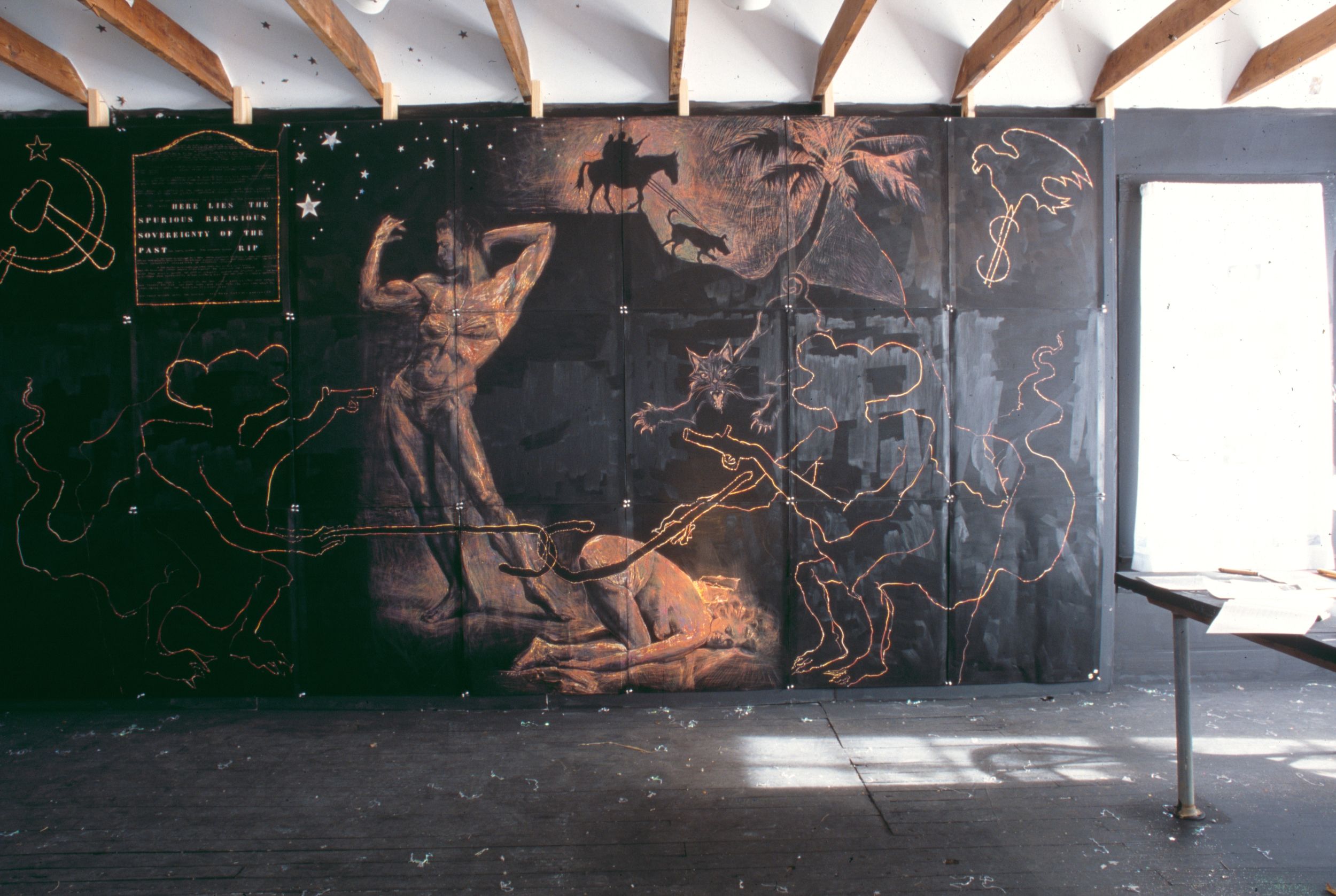
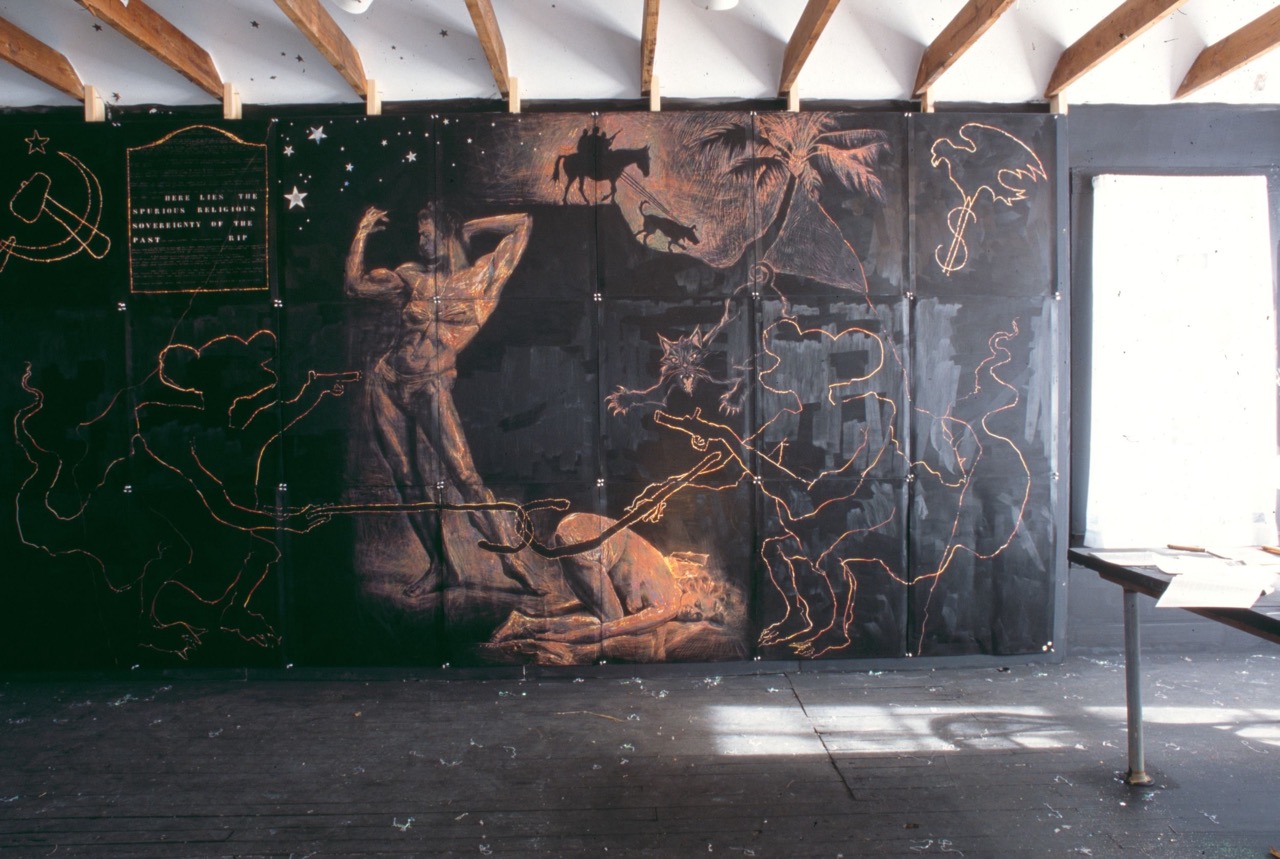
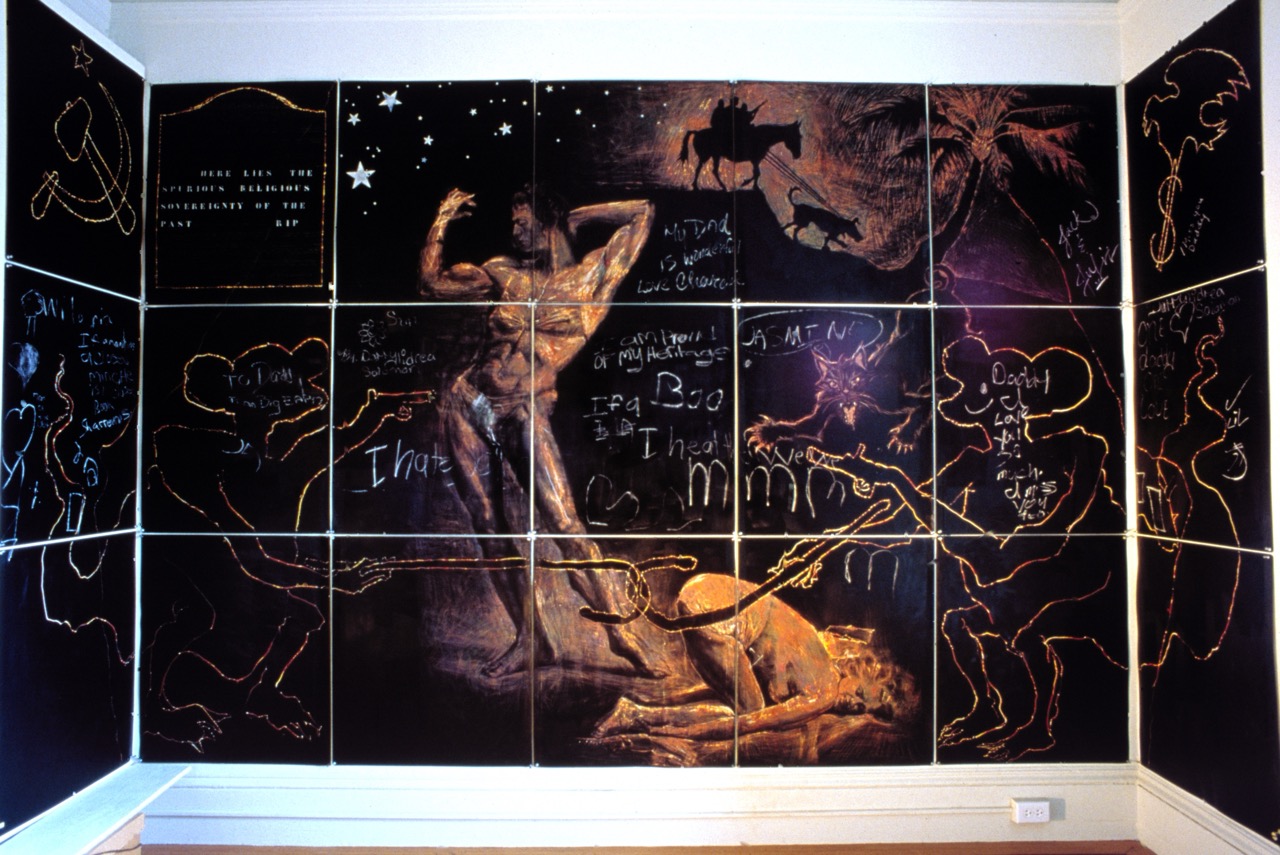
In her mural-sized illustration Scratch Pop, Vaughan adapts her father’s word cartoon describing the global struggle for power during the cold war. In this piece, different figures represent false powers while a metacratic pup symbolizes sovereign people governed by natural law.
The foreground is dominated by two ‘cheesecake’ figures, one passive and one aggressive, that represent false power. The prone figure references Marilyn Monroe, a highly misunderstood star, while the standing figure is taken from a photo of the artist preparing for her body building contest. Using female figures to represent the totality of power serves as the artist’s attempt to reverse the predominance of male figures as powerful historical and contemporary actors in the arts.
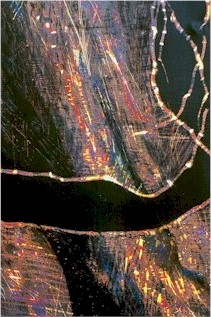
While repurposing her signature reclaimed aluminum offset litho sheets, in this case, Vaughan invented a new technique. Discussions with the art historian Leo Steinberg affirmed Vaughan’s notion that what makes Renaissance art so unified and rich was that every square inch seemed encoded with all of the colors on the canvas.
So she explored the possibility of simply coating the entire work with seven layers of primary and secondary colors overlaid with black, much like children do with crayons. She then took sandpaper and sculpting tools to scrape down the paint, revealing the figures through exposure of the colors at various levels underneath. Like a sculptor faced with a mound of clay, Scratch Pop thus became a process of removal, rather than addition.
The innocent, child-like process of color layering and scratching back through black attempts to emulate the effects of an authoritative period in art history, the Renaissance. Likewise, as a daughter, Vaughan is interpreting her father’s word cartoon to understand his world view. The process parallels the subject.
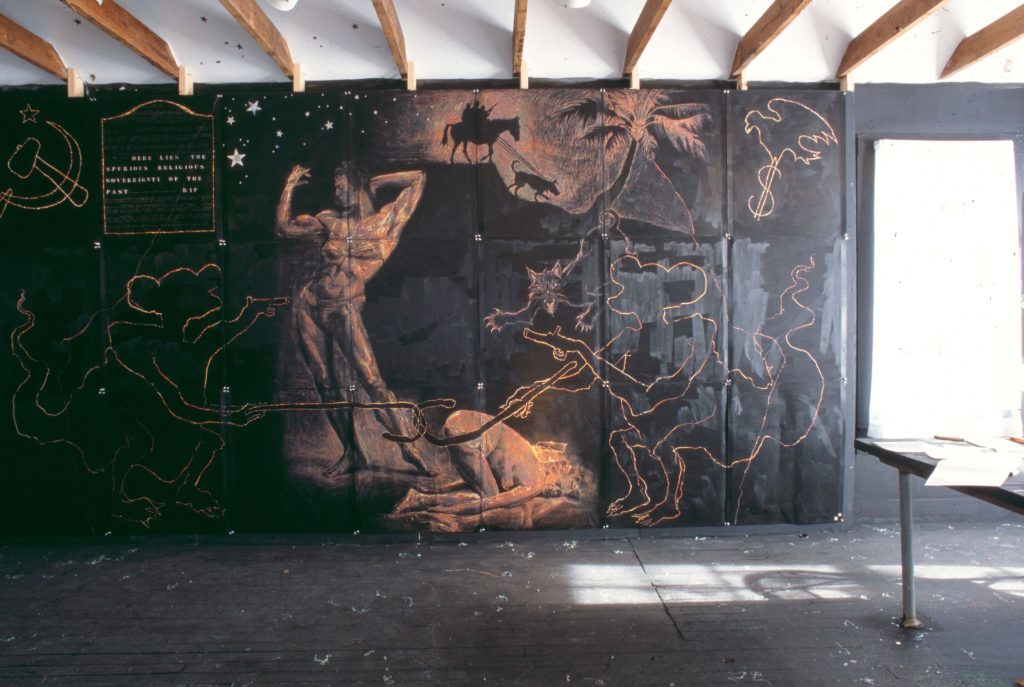
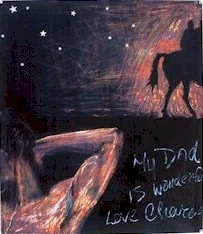
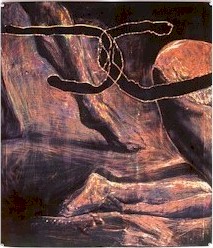
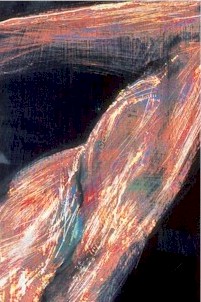
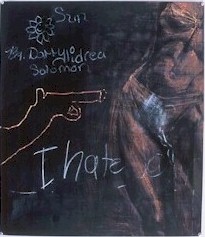
During the six month installation, visitors were invited to use chalk to talk back to the artist’s father directly on the work.
Everything that was applied to the panels with this medium was considered by the artist an essential part and made permanent with spray fixative.
Storyboards
Monotypes
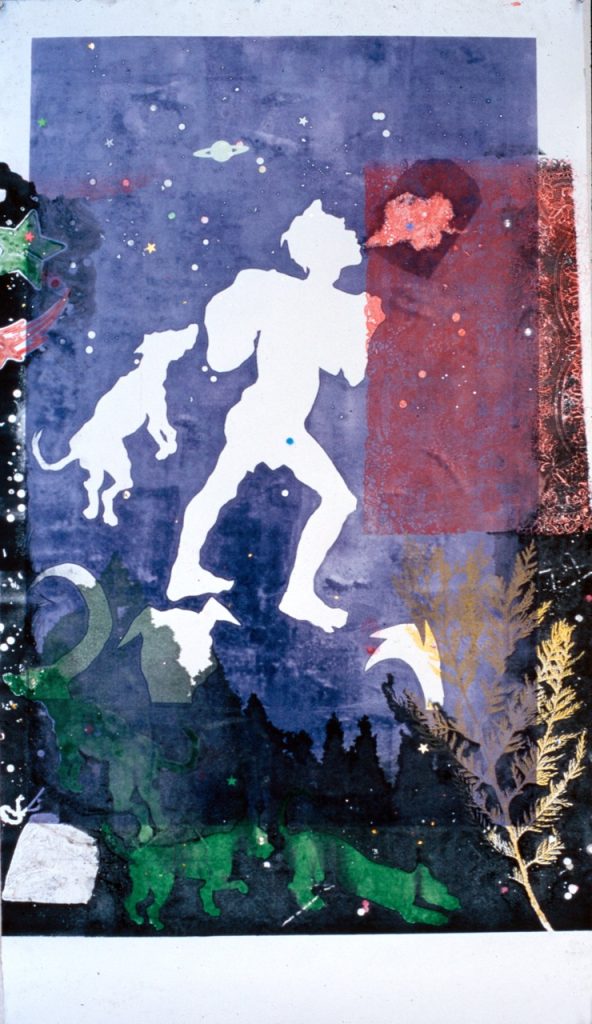
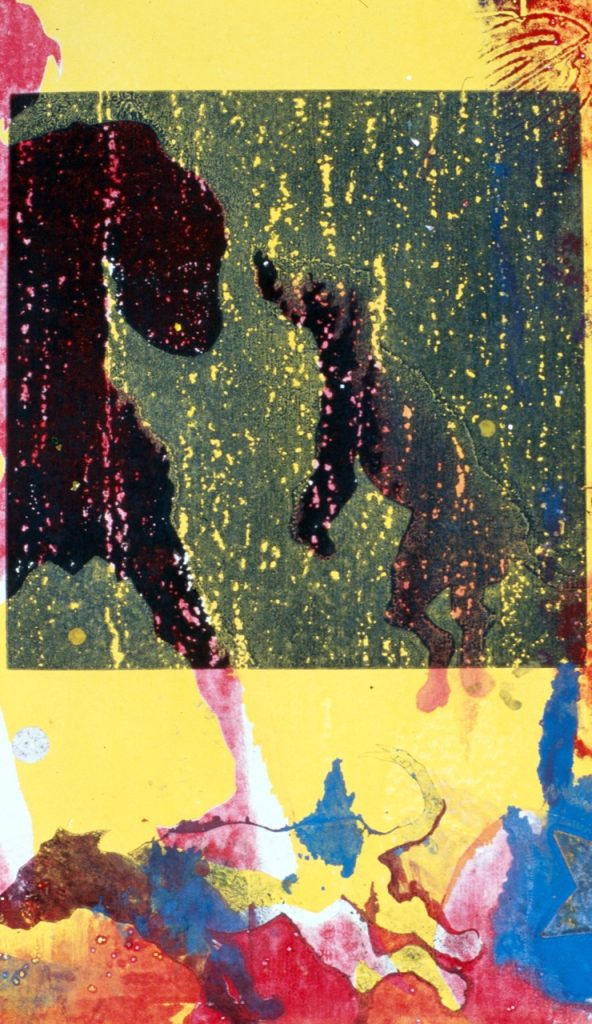
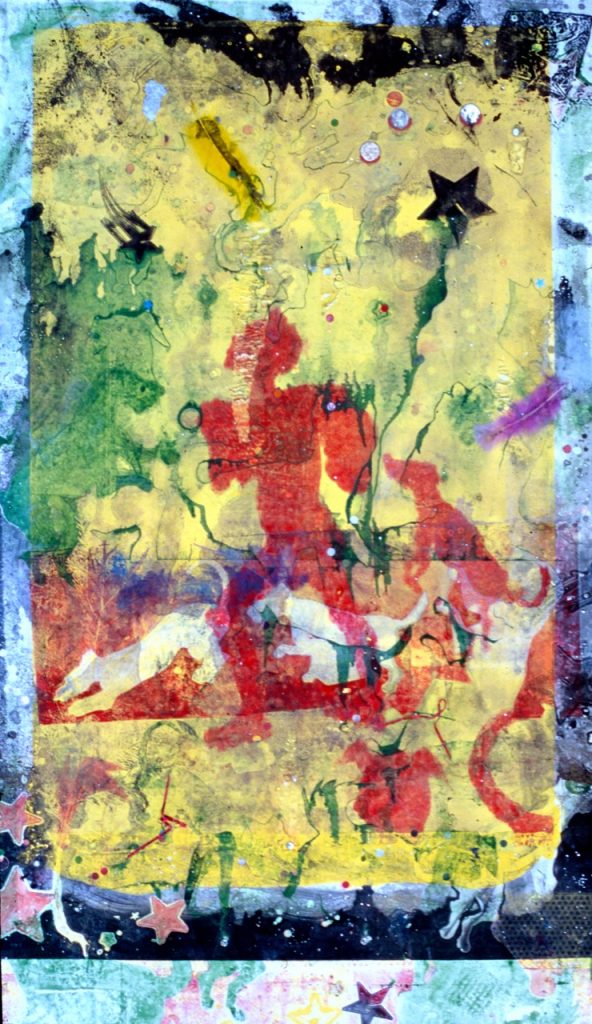
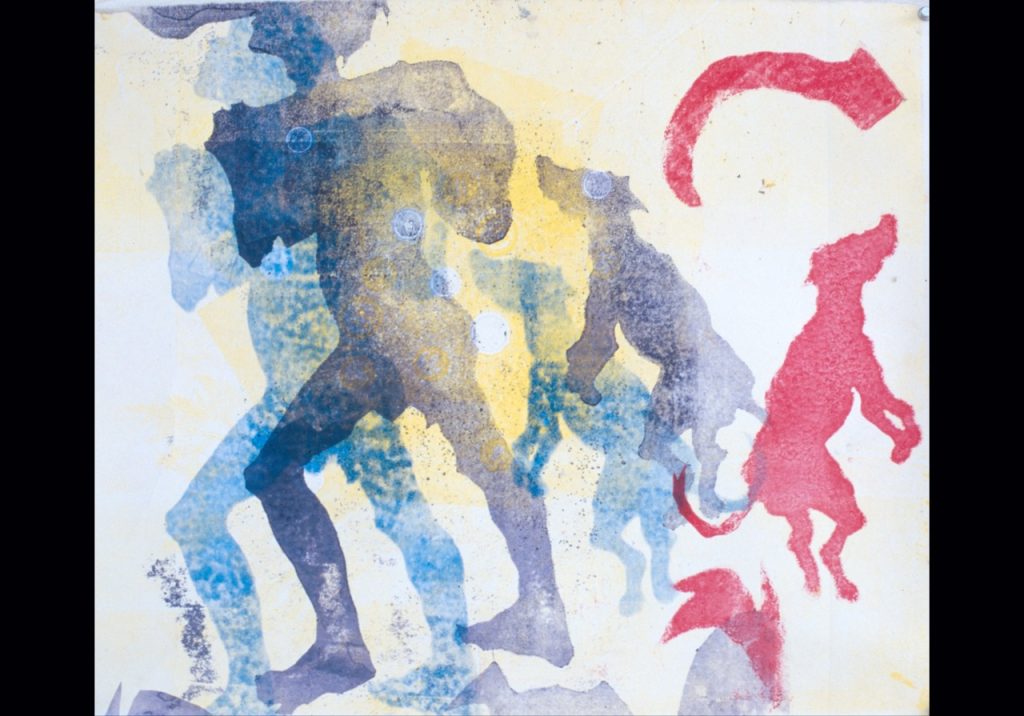
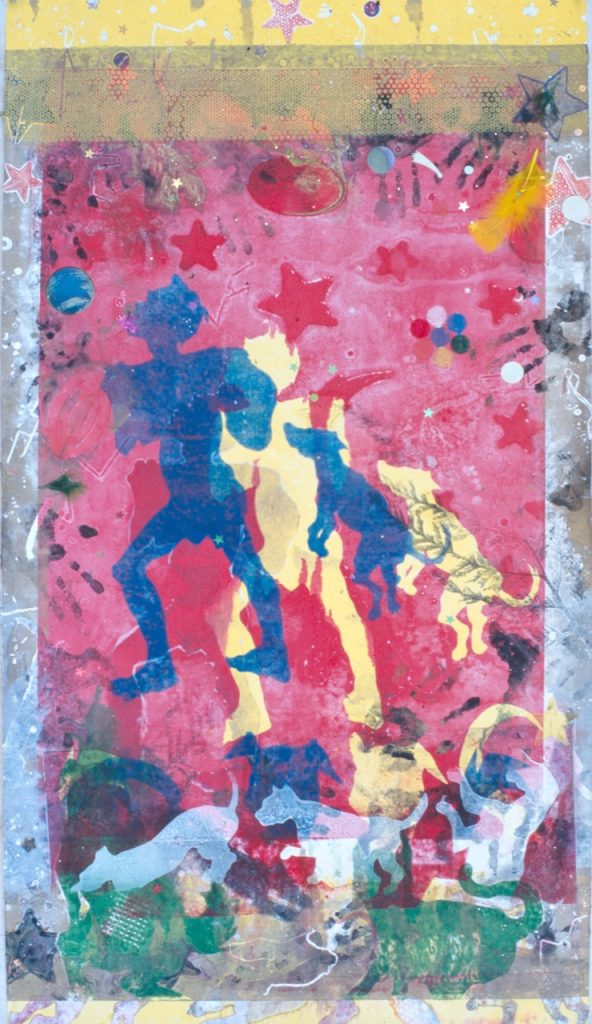
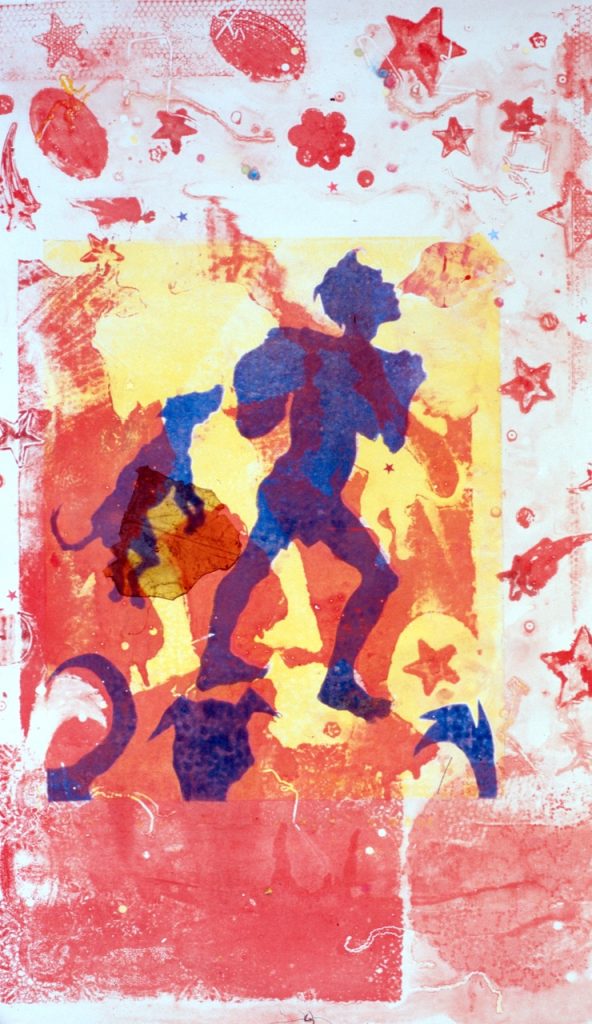
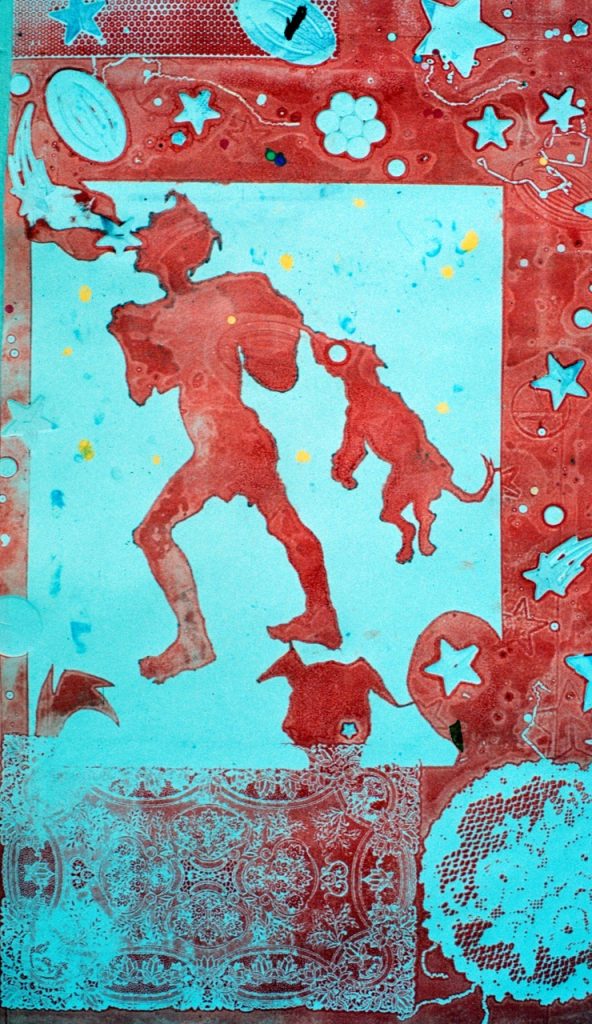
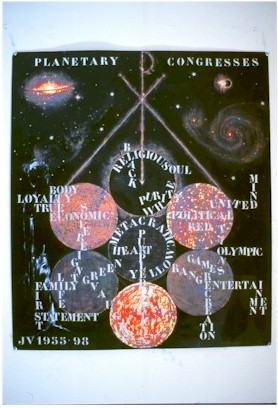
During a 1-month artist residency at Centrum in Port Townsend, WA, Vaughan depicted more lyrical aspects of her father’s writing, having to do with his childhood, in a series of monotypes created on a large industrial press.
During these G-Days (‘Good Days’) as her veteran father would call them, his family chore was to rise before dawn and gather the bones from the butcher to use in the soup. On his way there he mused on the stars, and on his way home he was amused by the dogs who followed the scent from his bag of bones.