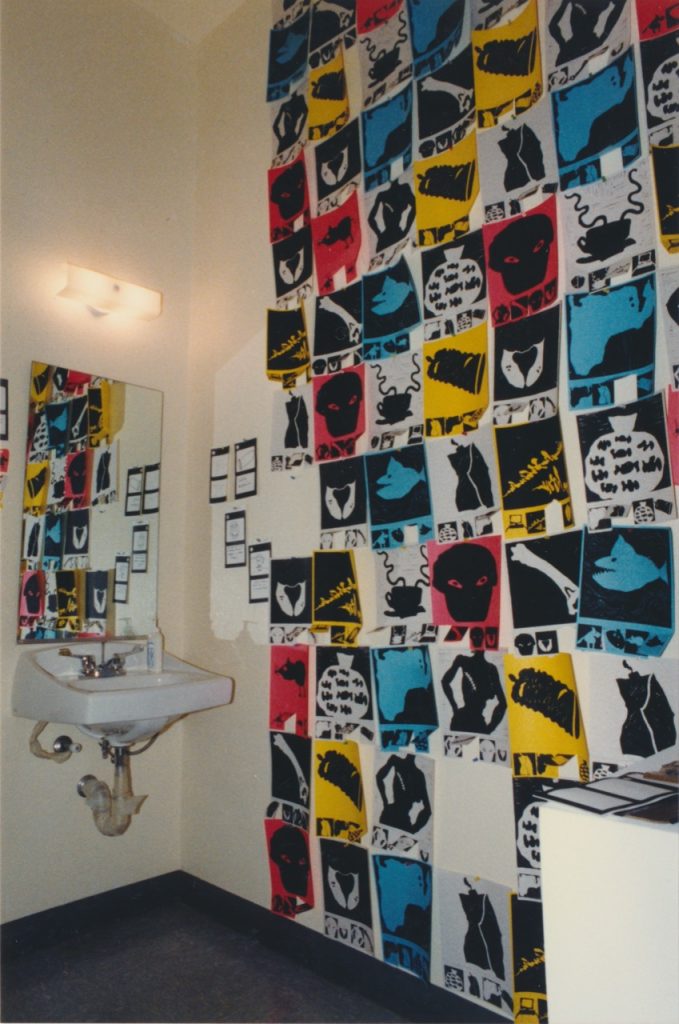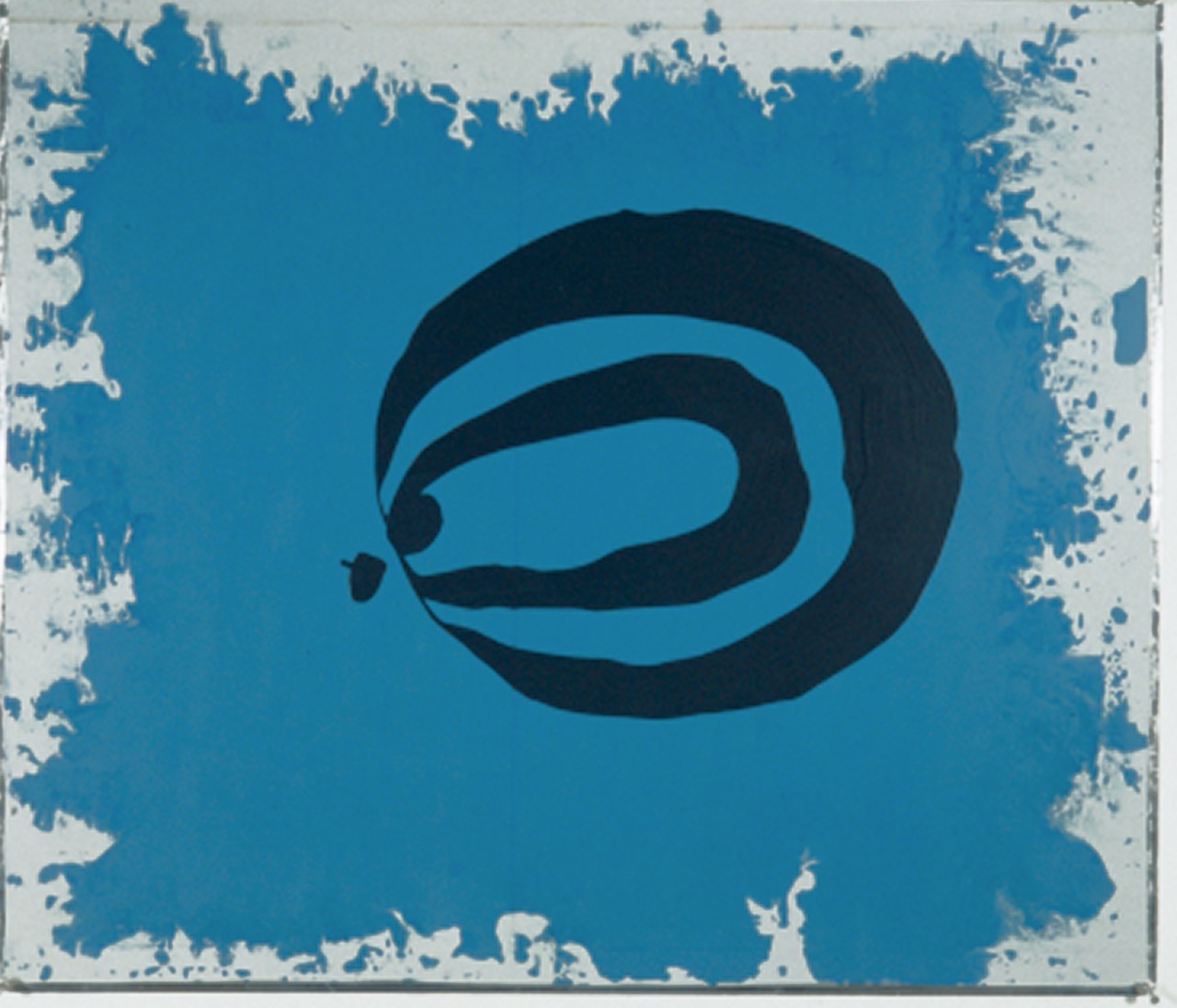
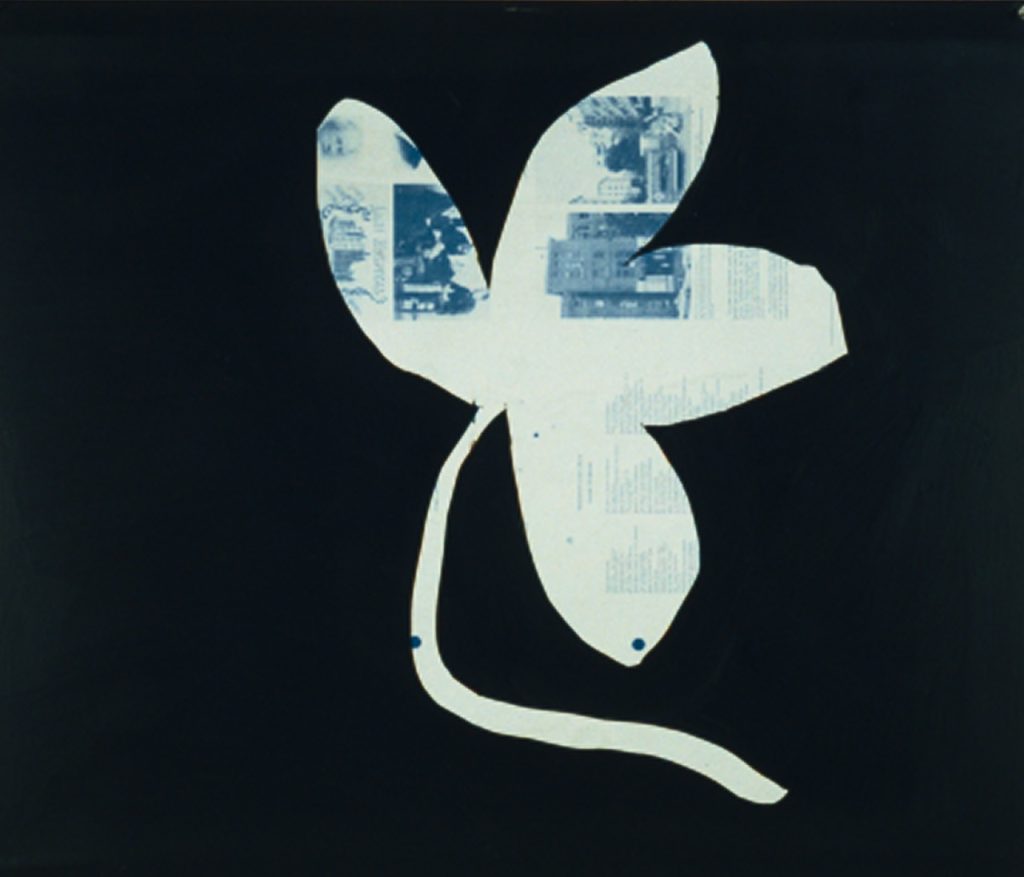
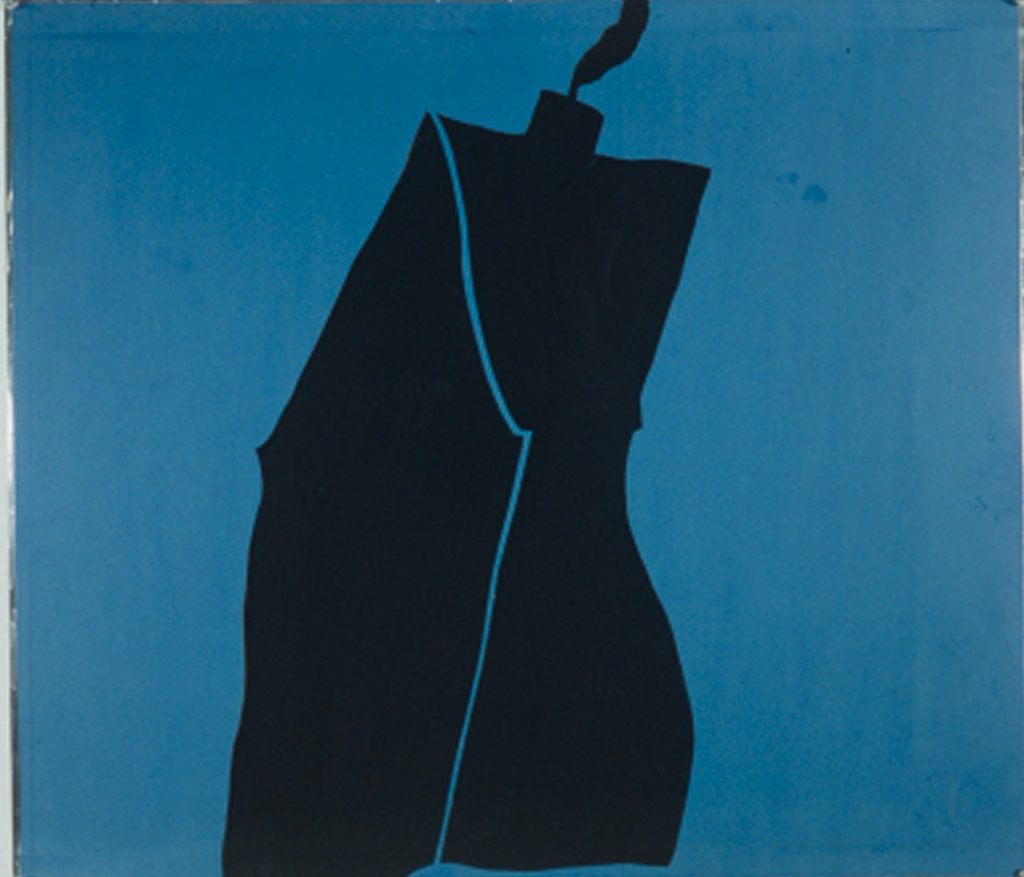
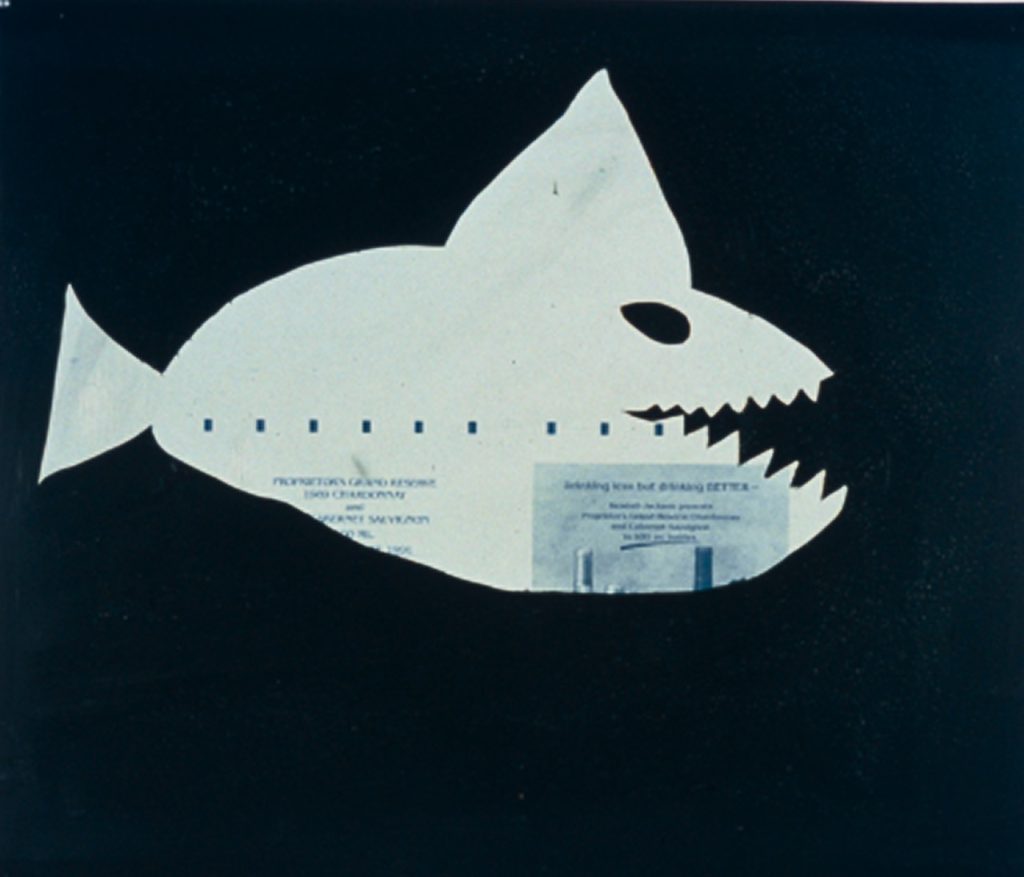
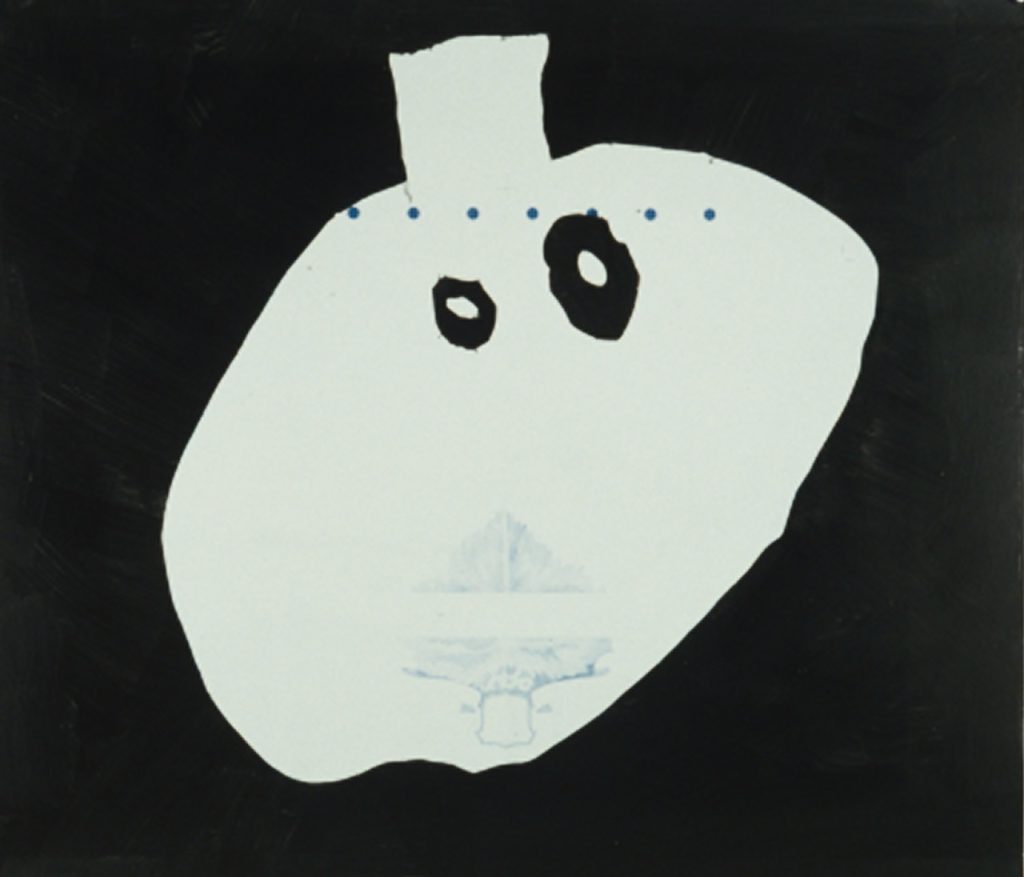
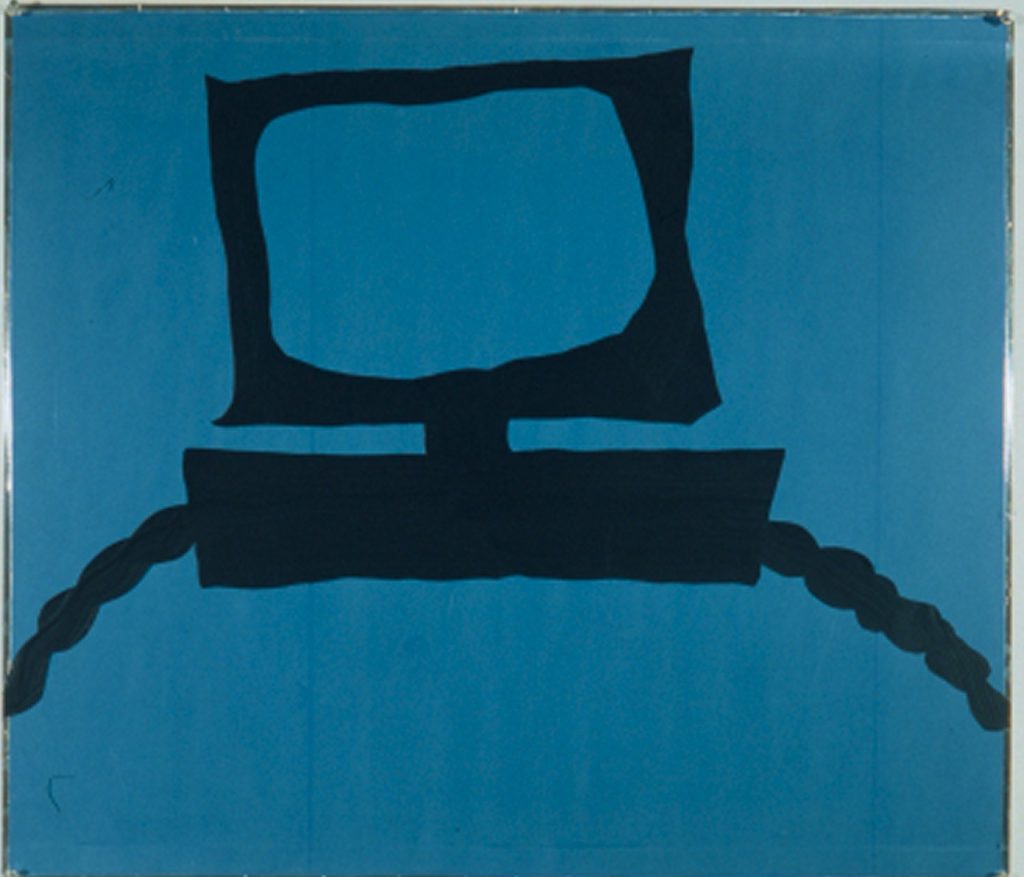
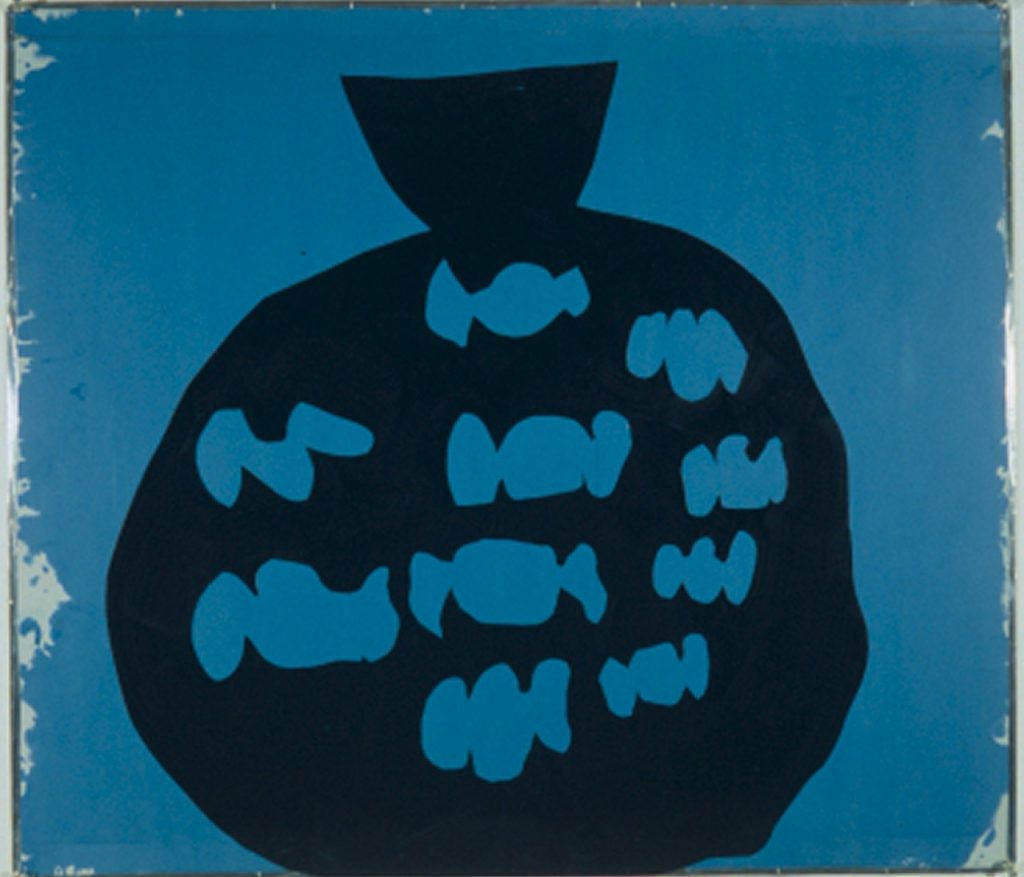
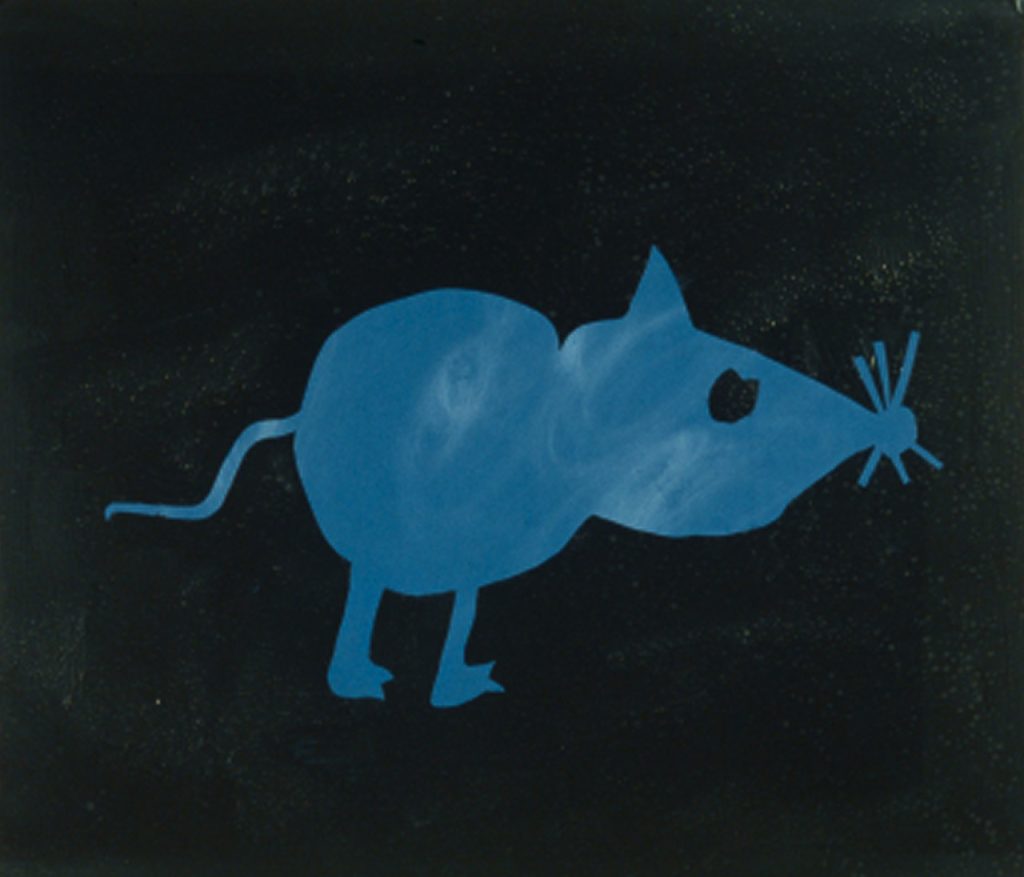
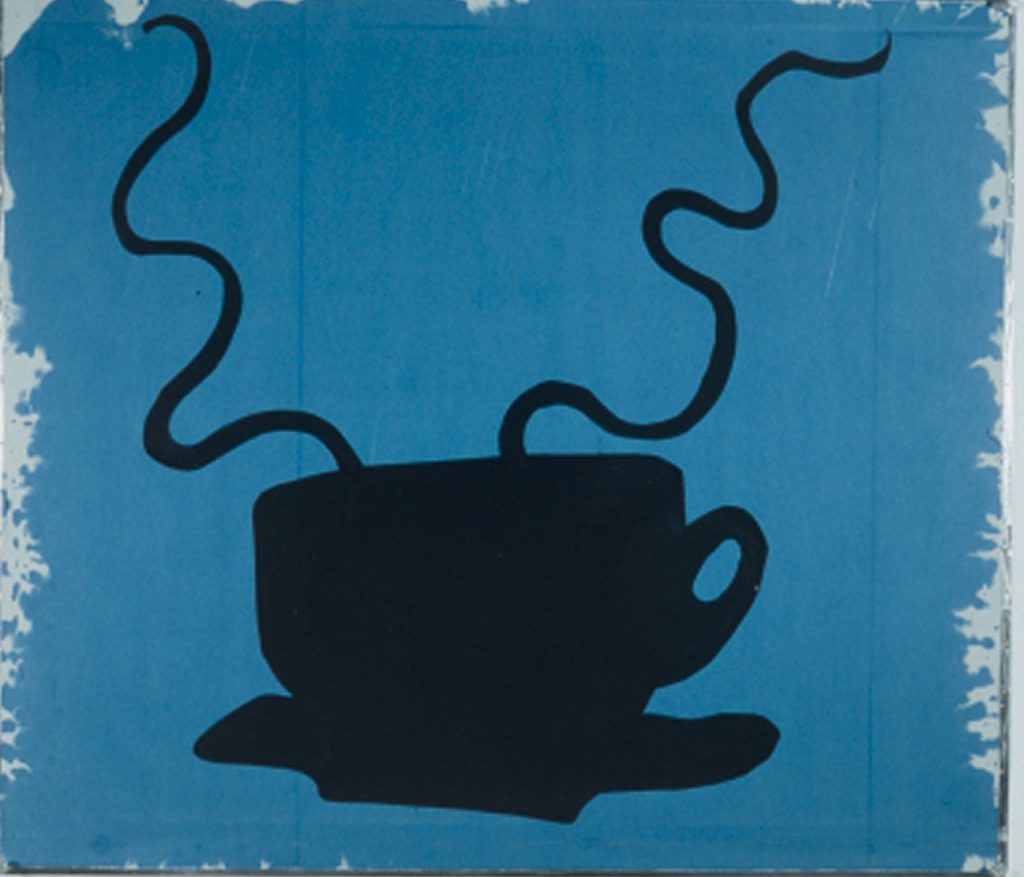
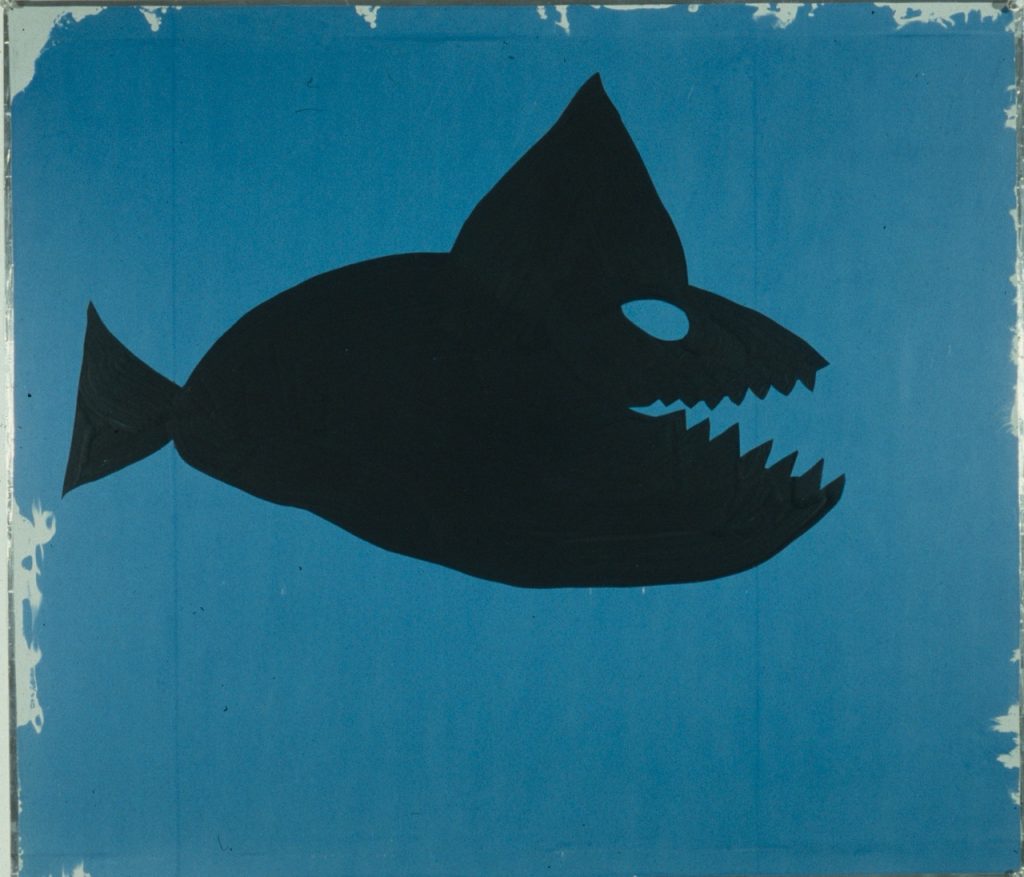
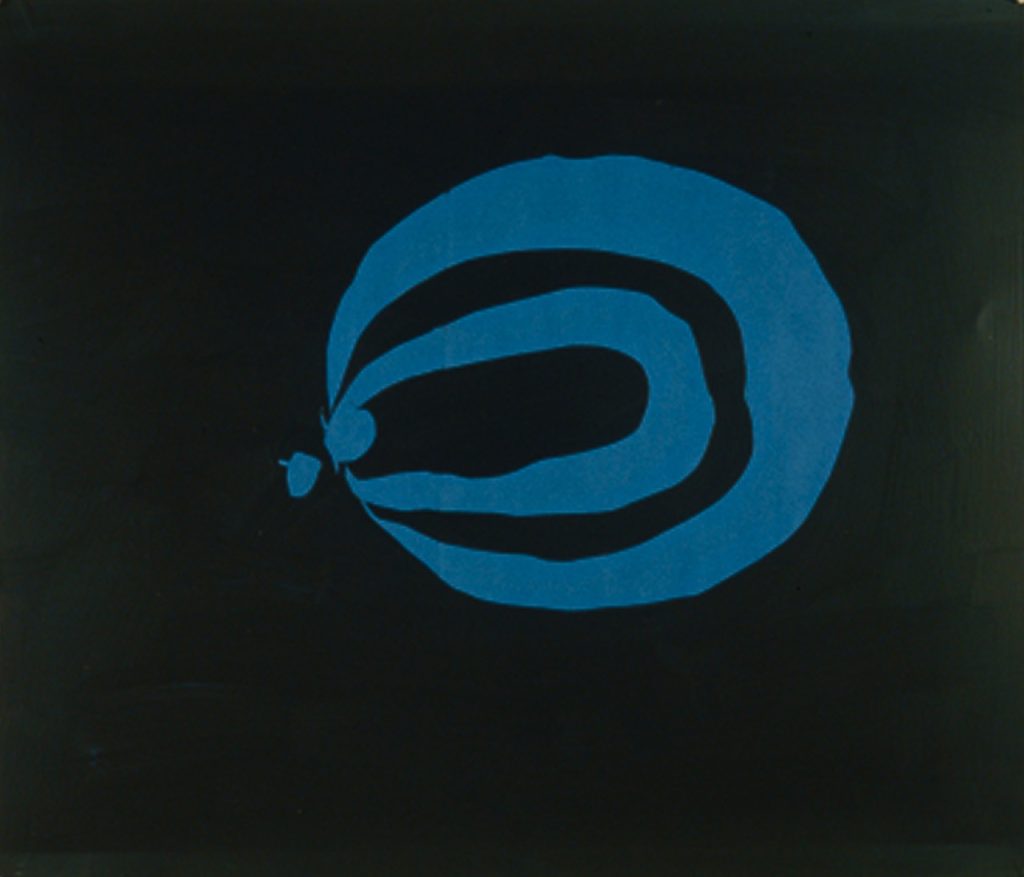
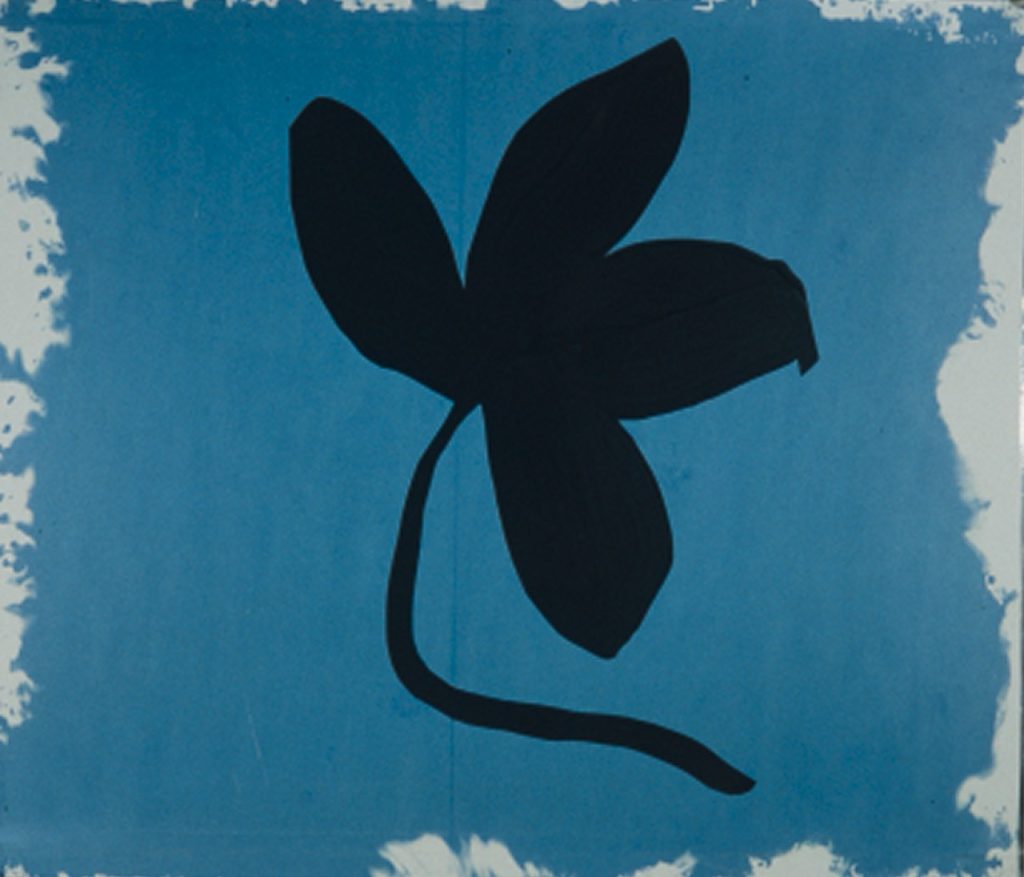
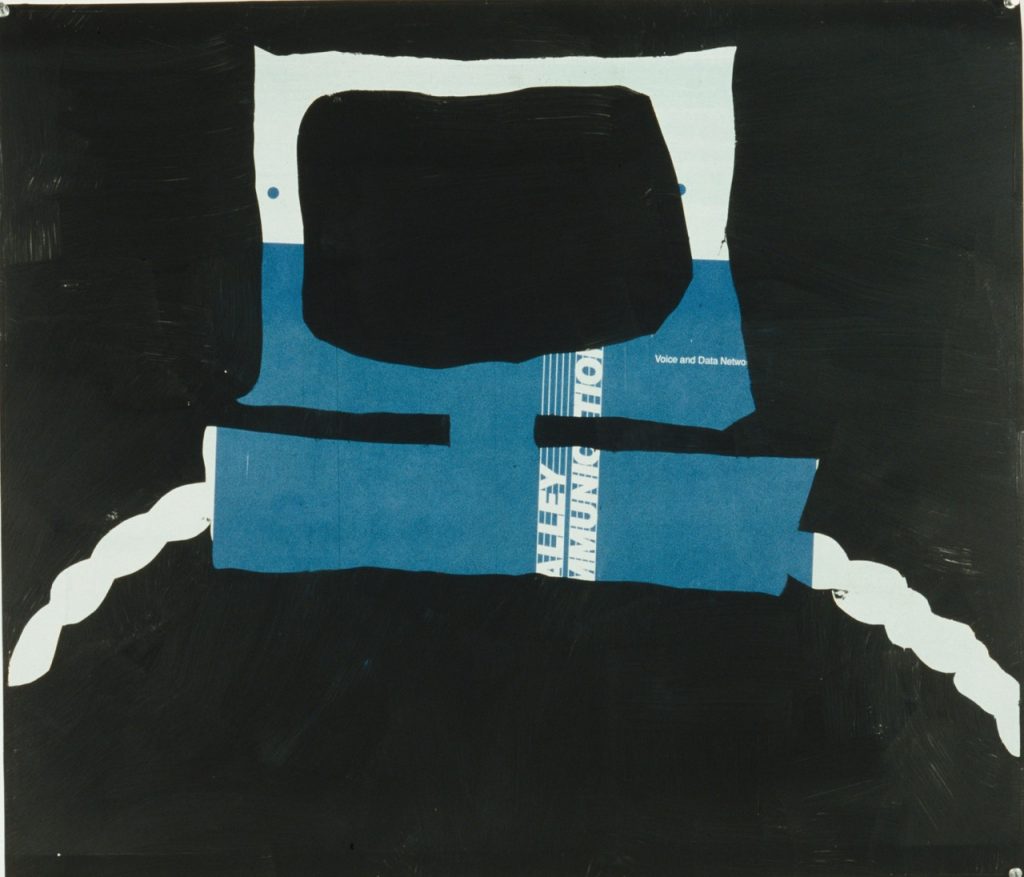
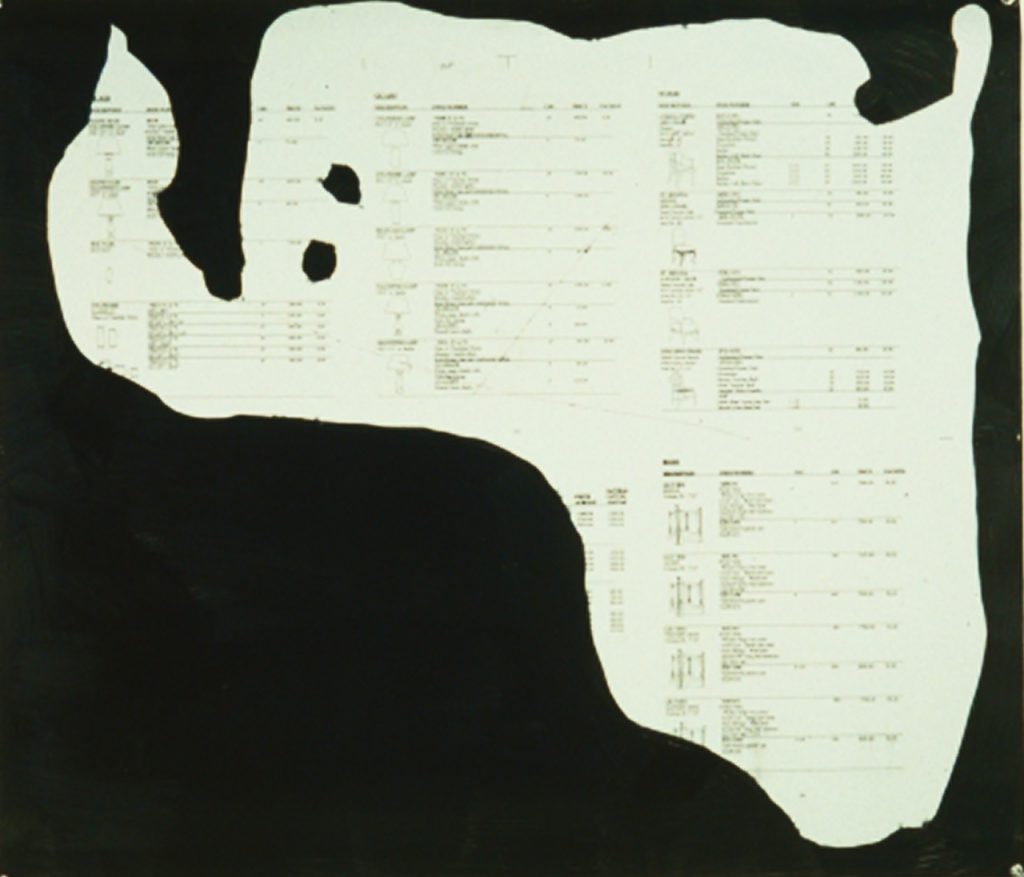
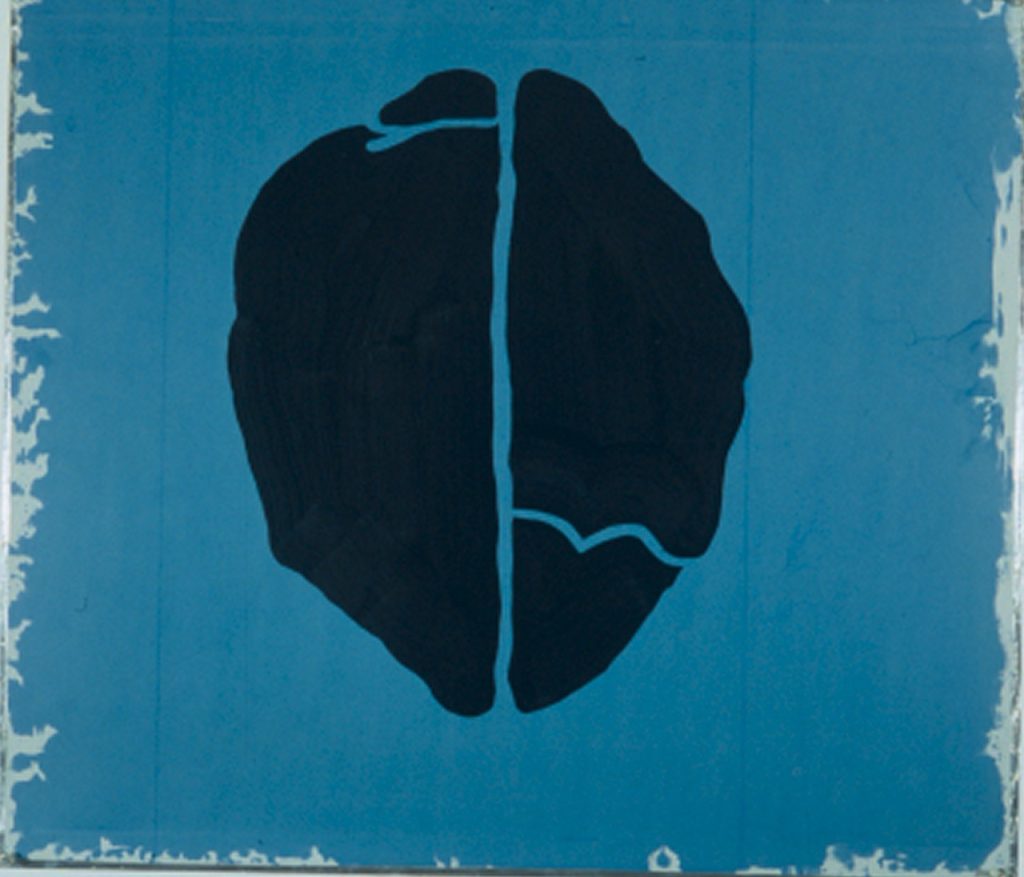
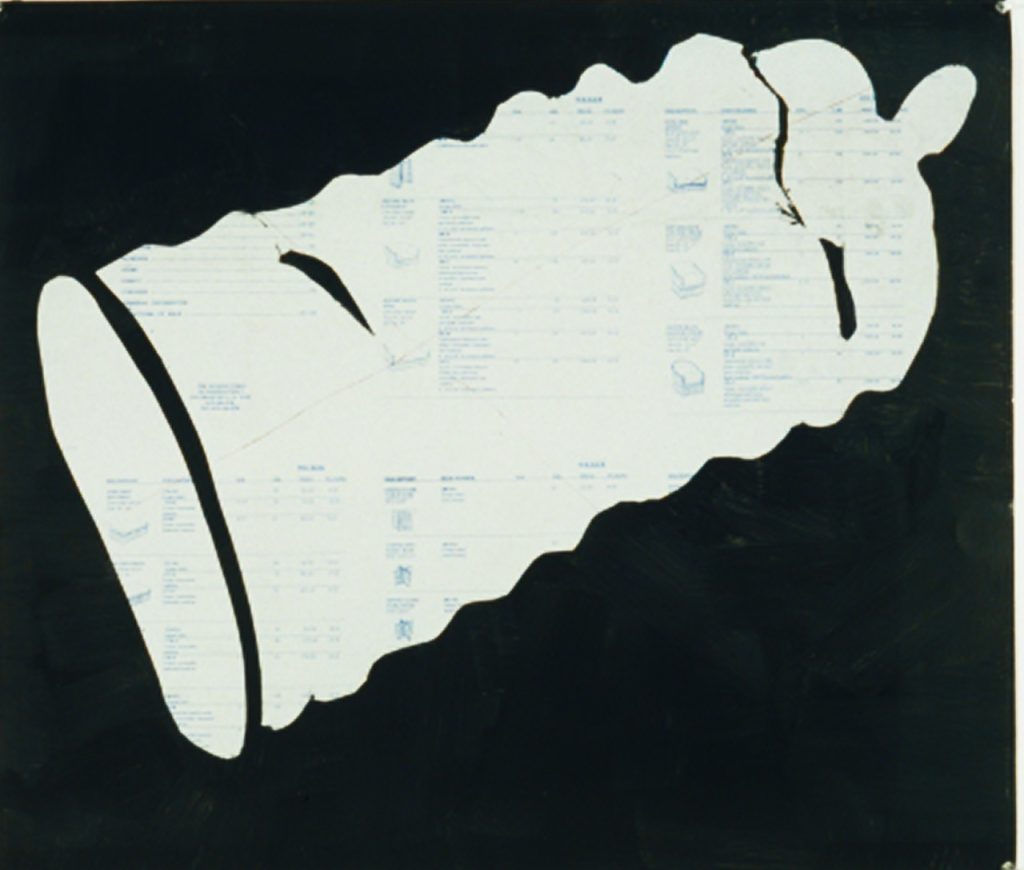
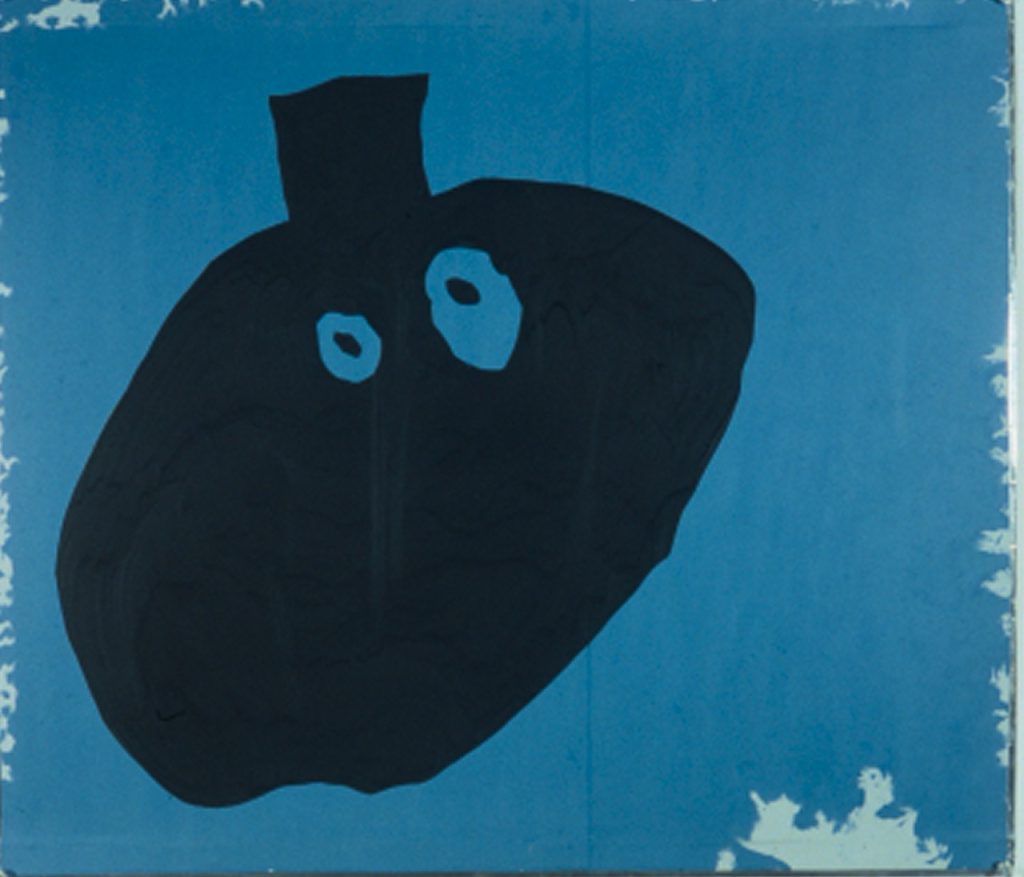
Inklings & Iotas represents a peak in Josefa Vaughan’s explorations in storyboards, through which she sought art from others rather than from her own individual talent. Not only did she put aside her techniques, drawings, and particular story, she put aside the very idea of composition. In Inklings & Iotas, individual icons become the focus, both in isolation and in juxtaposition with each other.
Each icon is pulled from the extensive collection of storyboards Vaughan had gathered over the years, from students, friends, beggars, strangers, all turned collaborators here. In her words, “people became my iconographers.” When arranged together, these icons become a sort of textual language that the viewer can ‘read’ in their own way.
As you’ll see in the sections that follow, Vaughan in tandem was exploring not only how art could be coalesced, but how it could be disseminated. A sort of ‘trickle-down theory,’ she grew interested in how something precious, or ‘high art,’ could then be reproduced over time and across places. In this way, artists who wanted their work proliferated could perhaps circumvent some of the traditional structures of success. The panels representing the primary work of Inklings & Iotas were then multiplied into prints, and then into flyers. Seeing the little flyer tabs crumpled on a stretch of asphalt–rather than hung delicately in a gallery–Vaughan was drawn to the idea that “something that I had created could be found so leisurely and prevalent in a neighborhood.”
Year
1993
Exhibition
Dorothy Goldeen Gallery, Santa Monica, CA
Collaborators
Storyboard creators from the artist’s daily encounters with people in all walks of life
Materials
Oil on 36 re-purposed aluminum offset litho panels
Panels
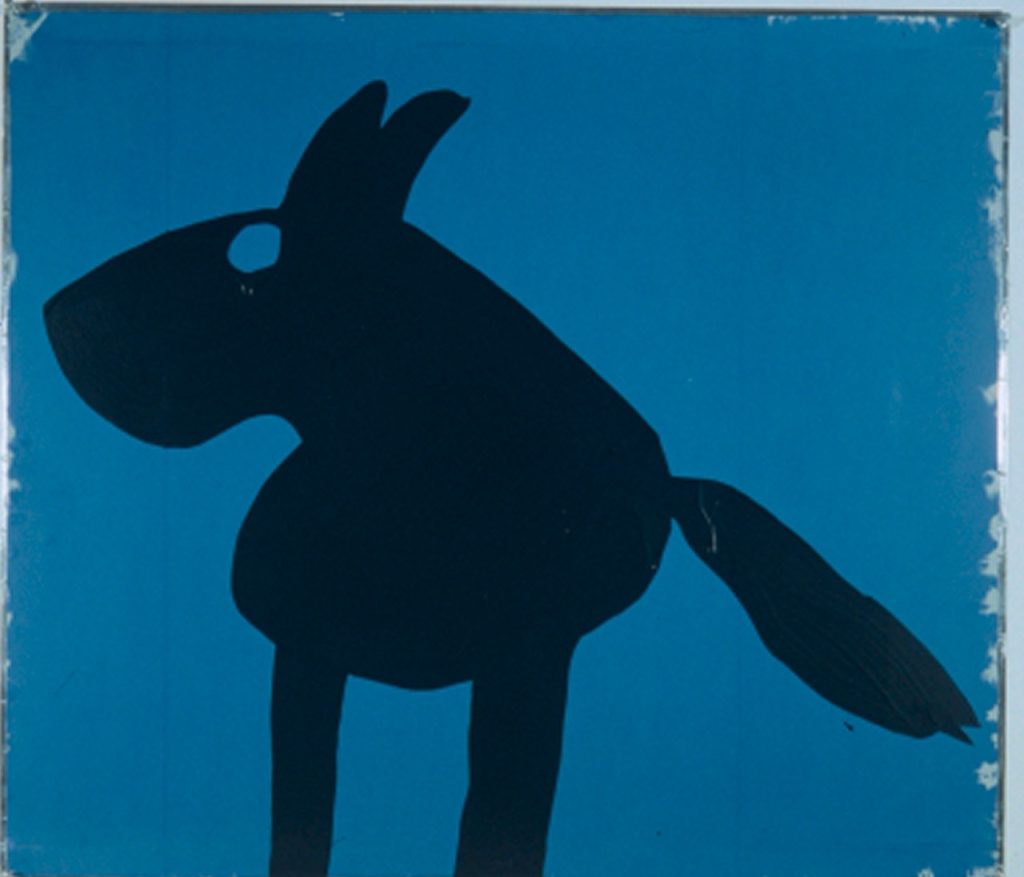
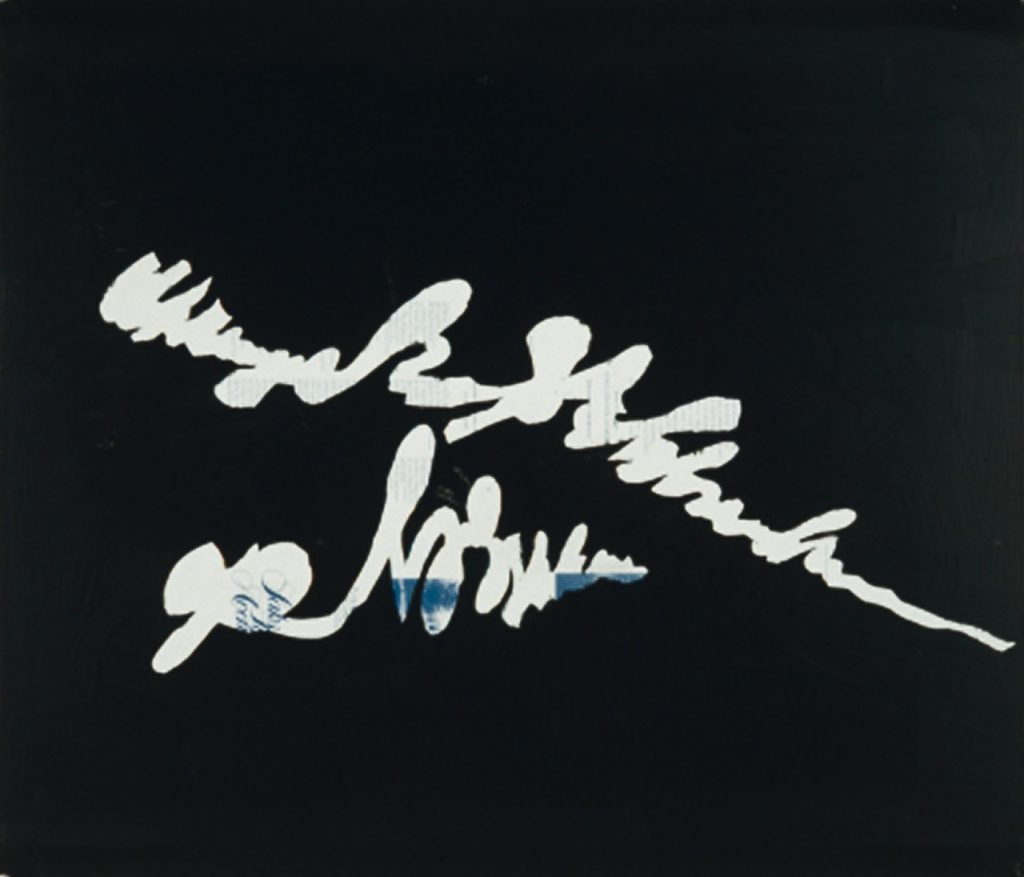
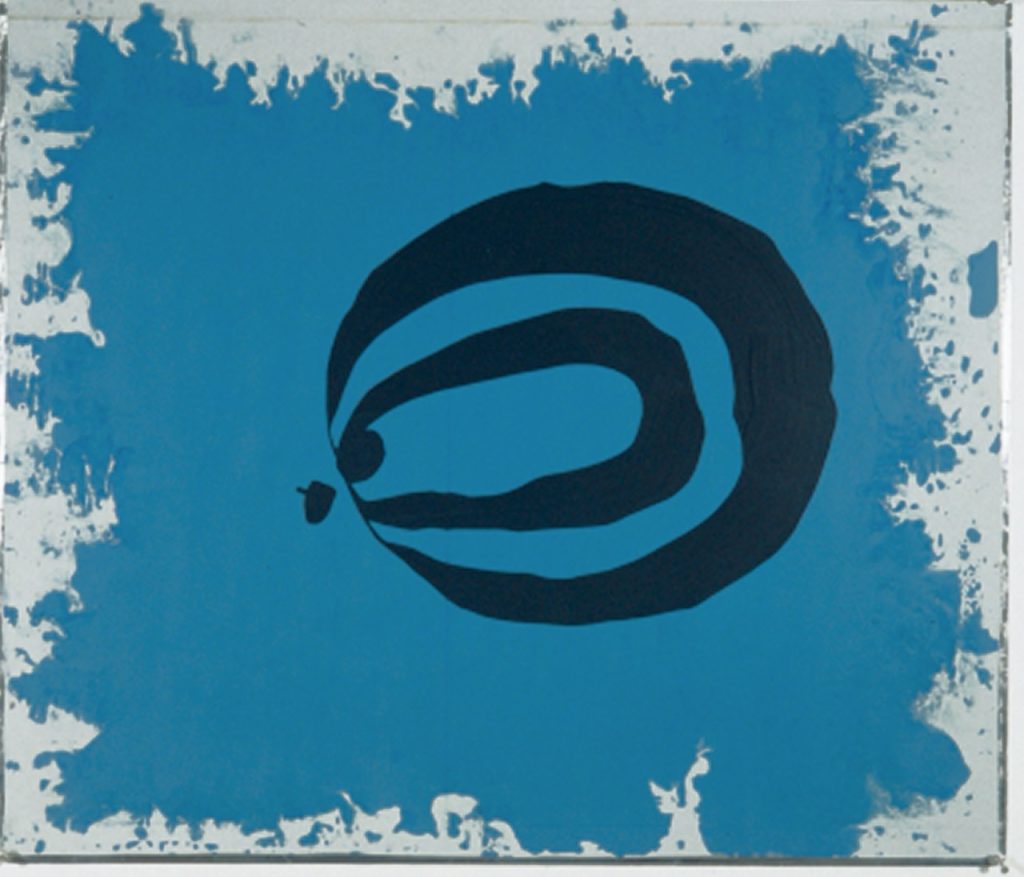
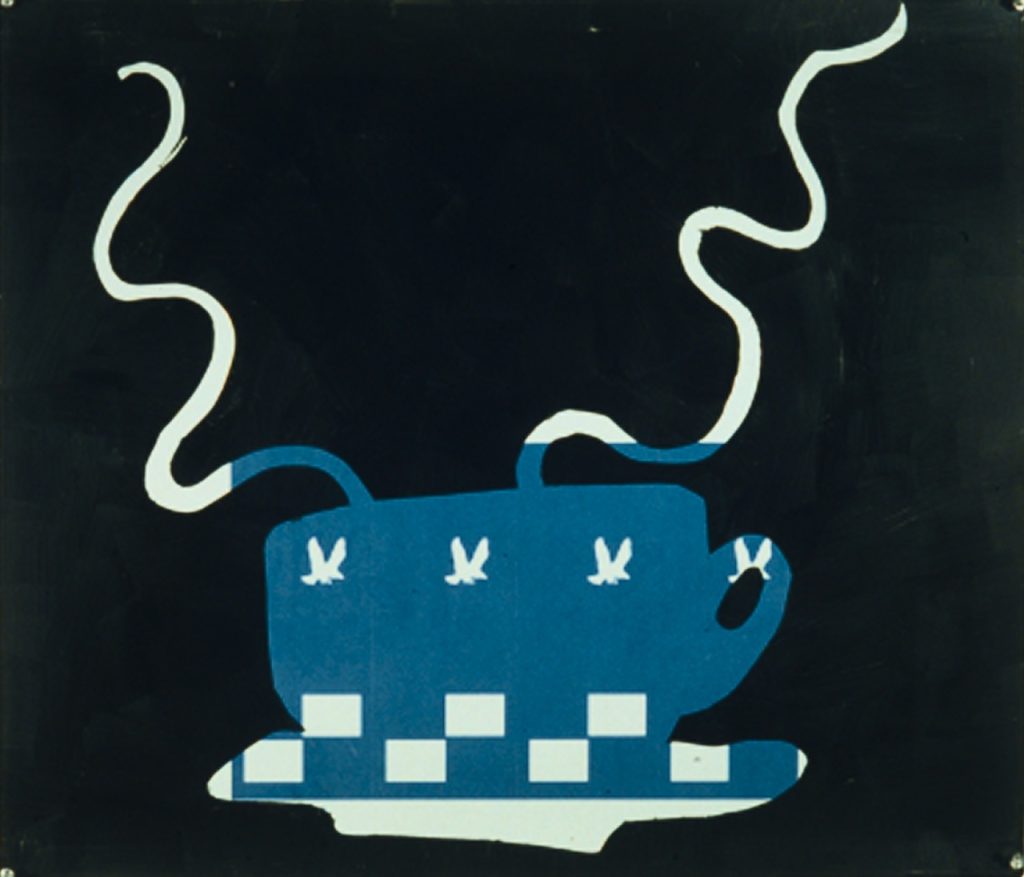
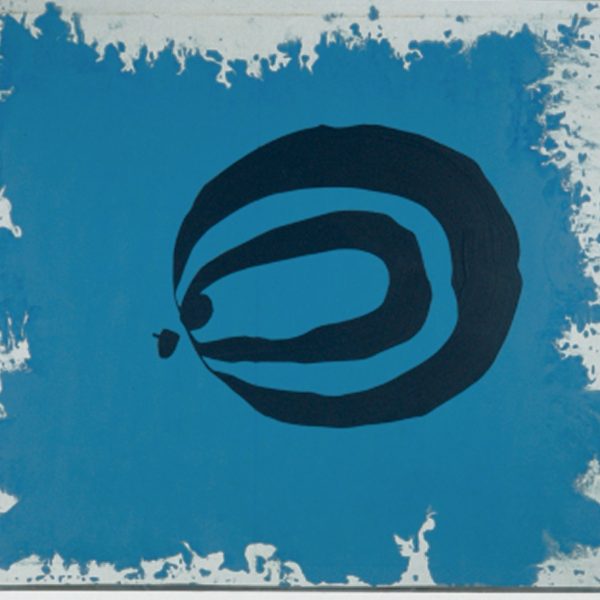
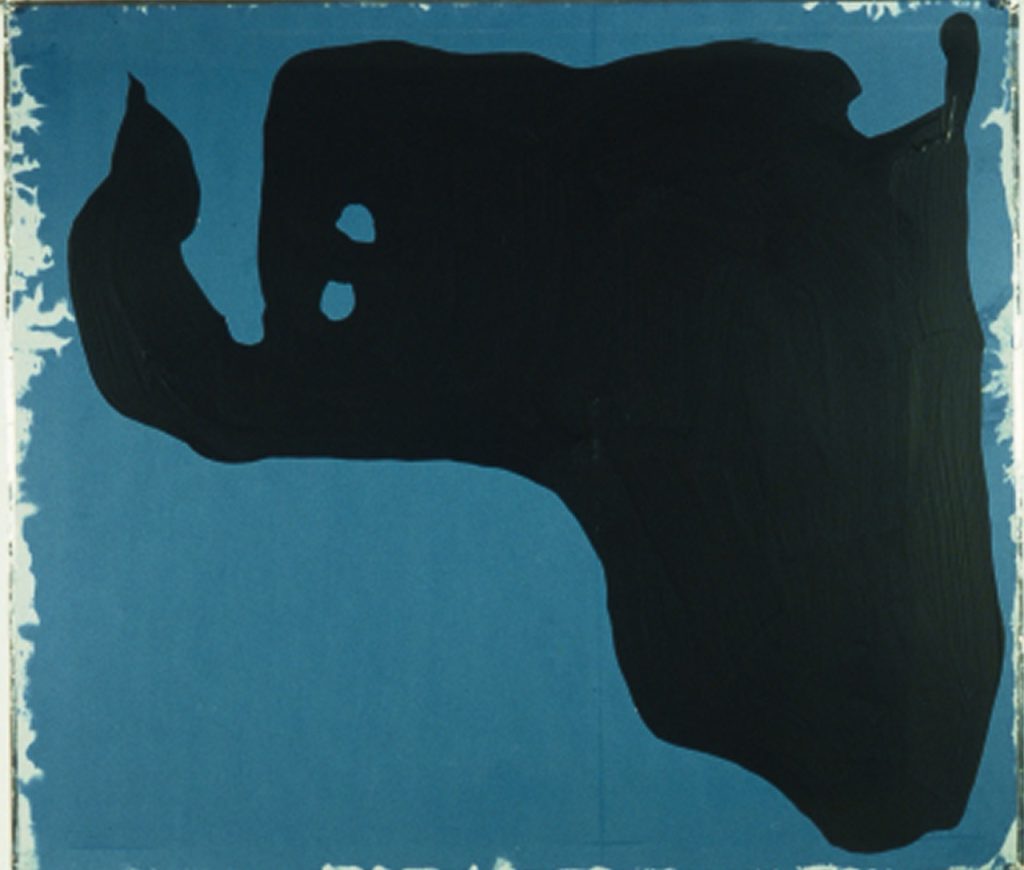
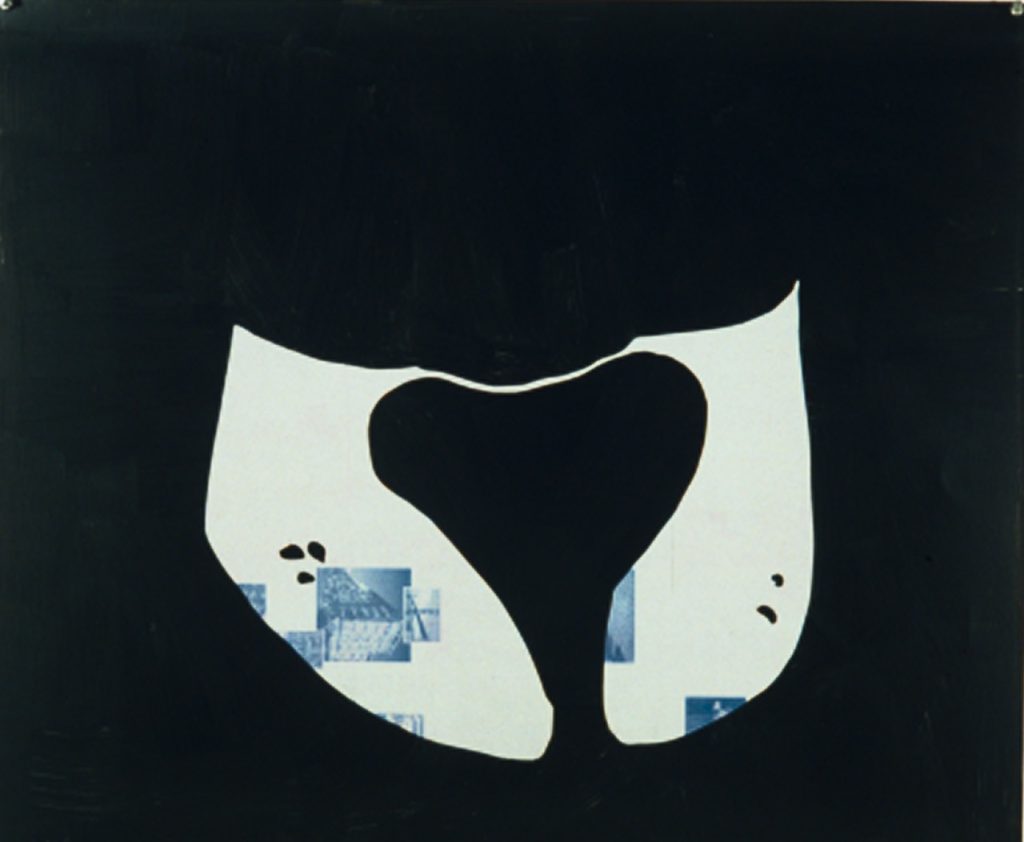
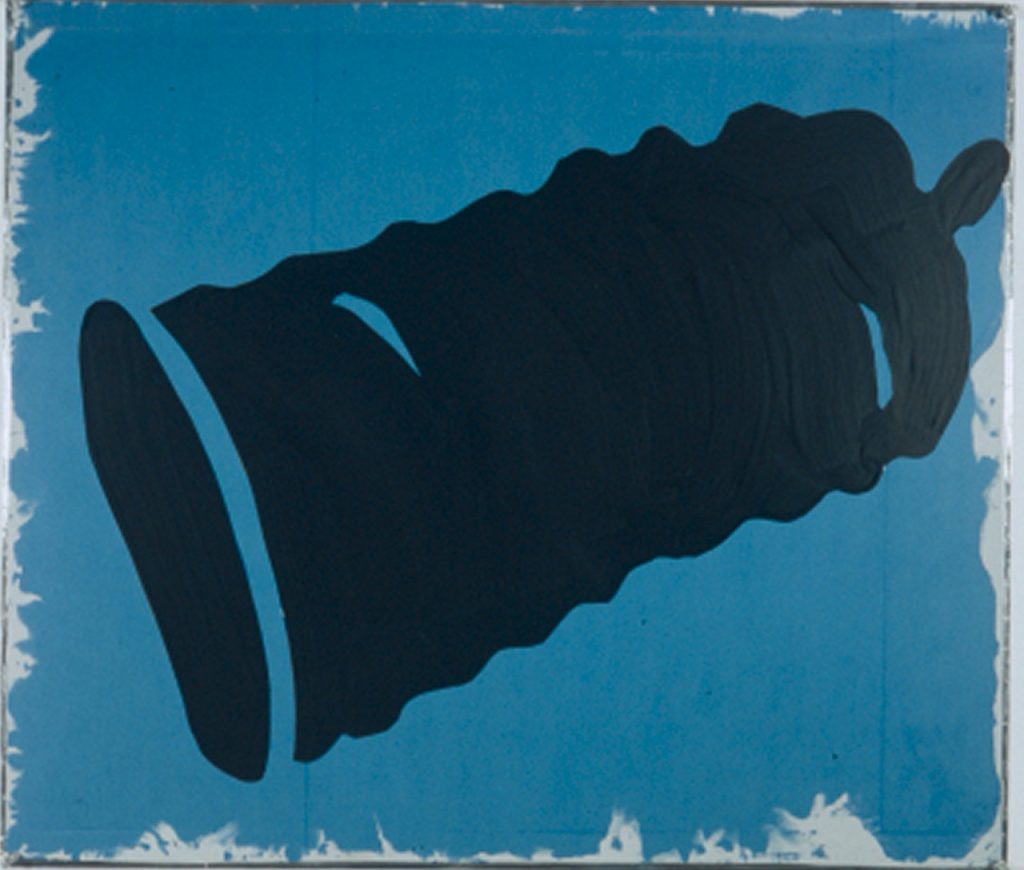
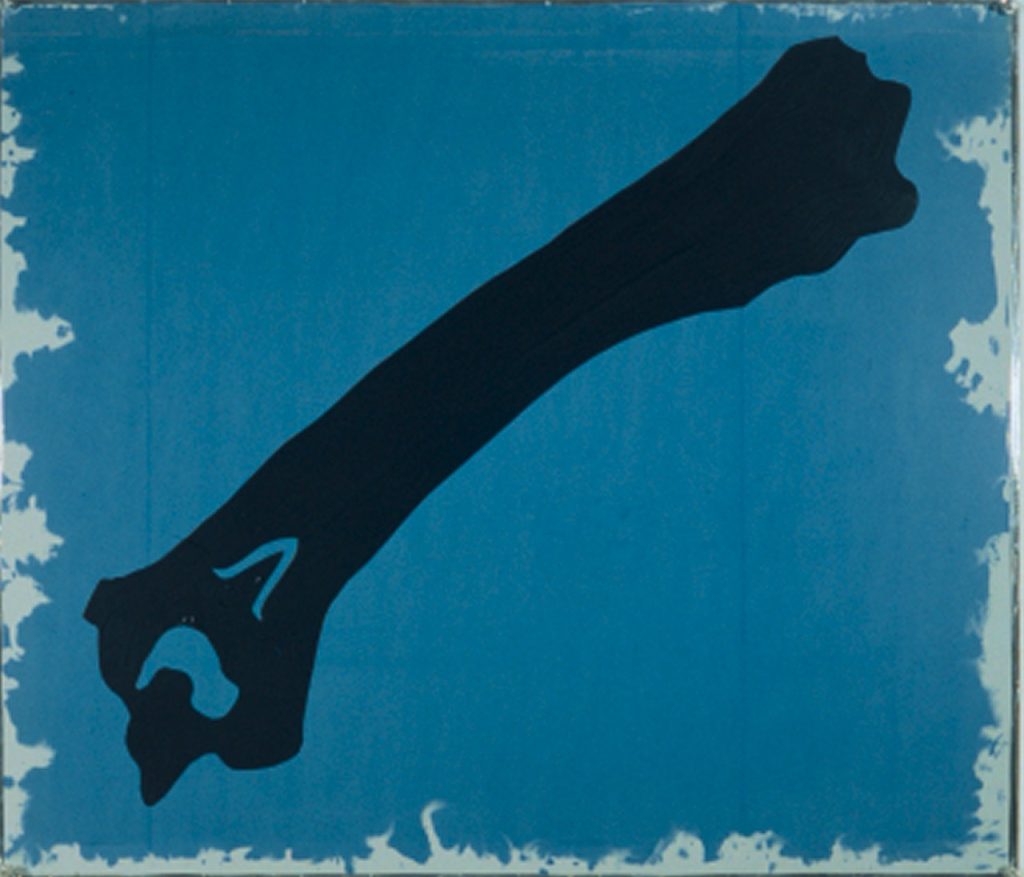
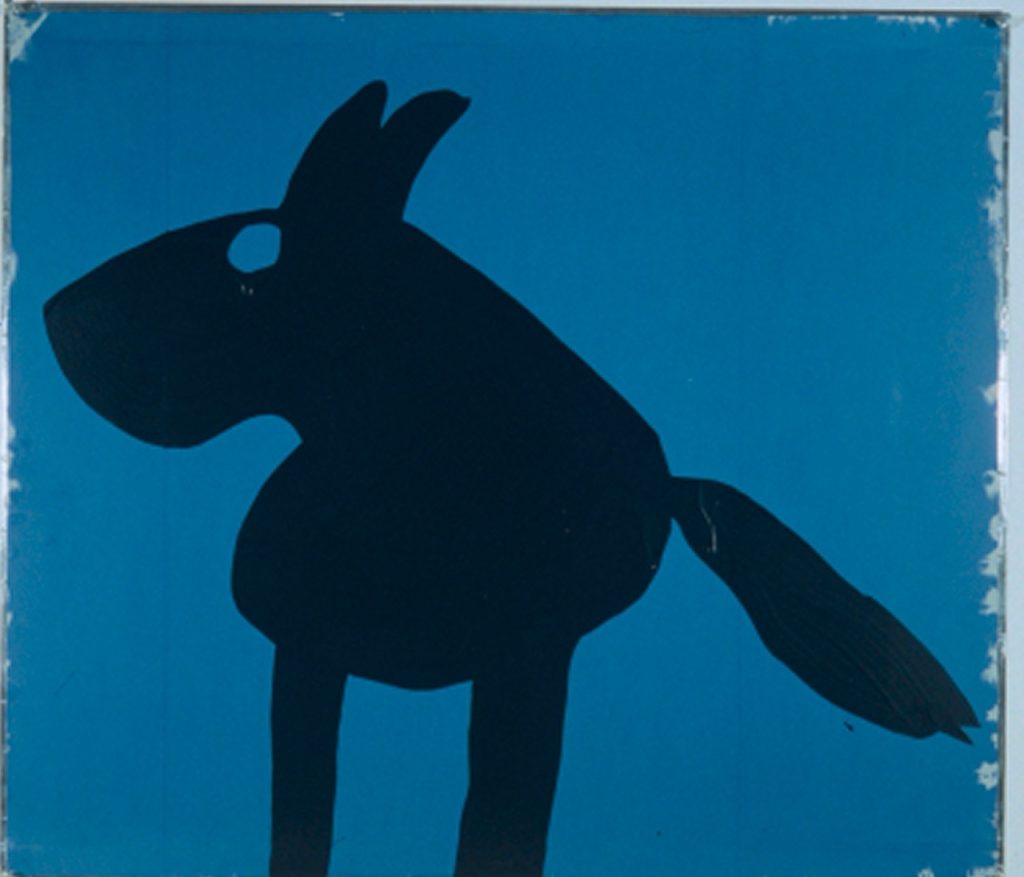
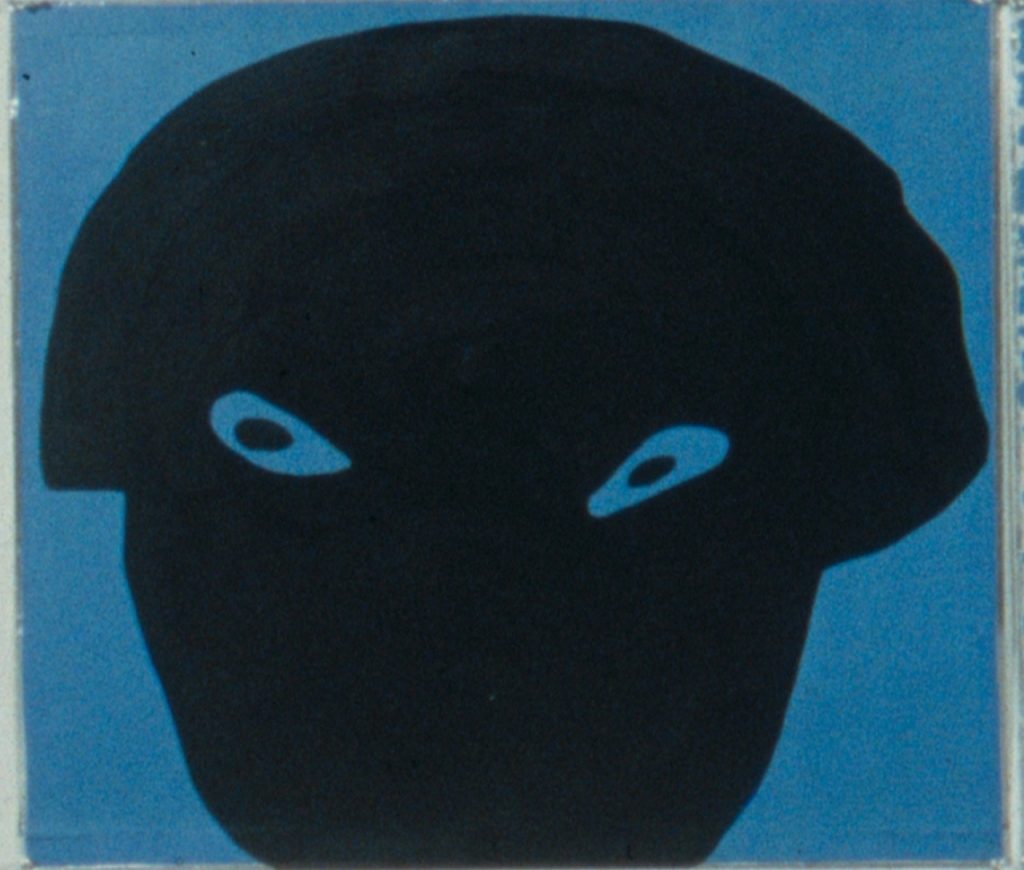
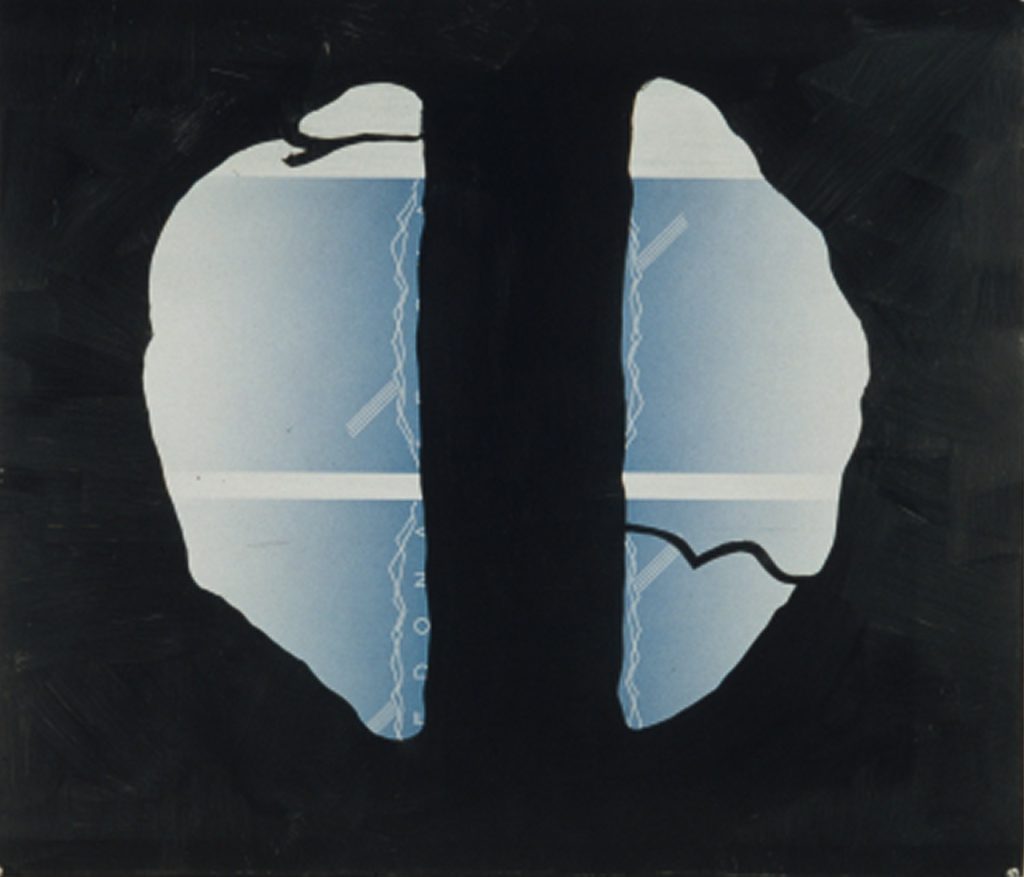
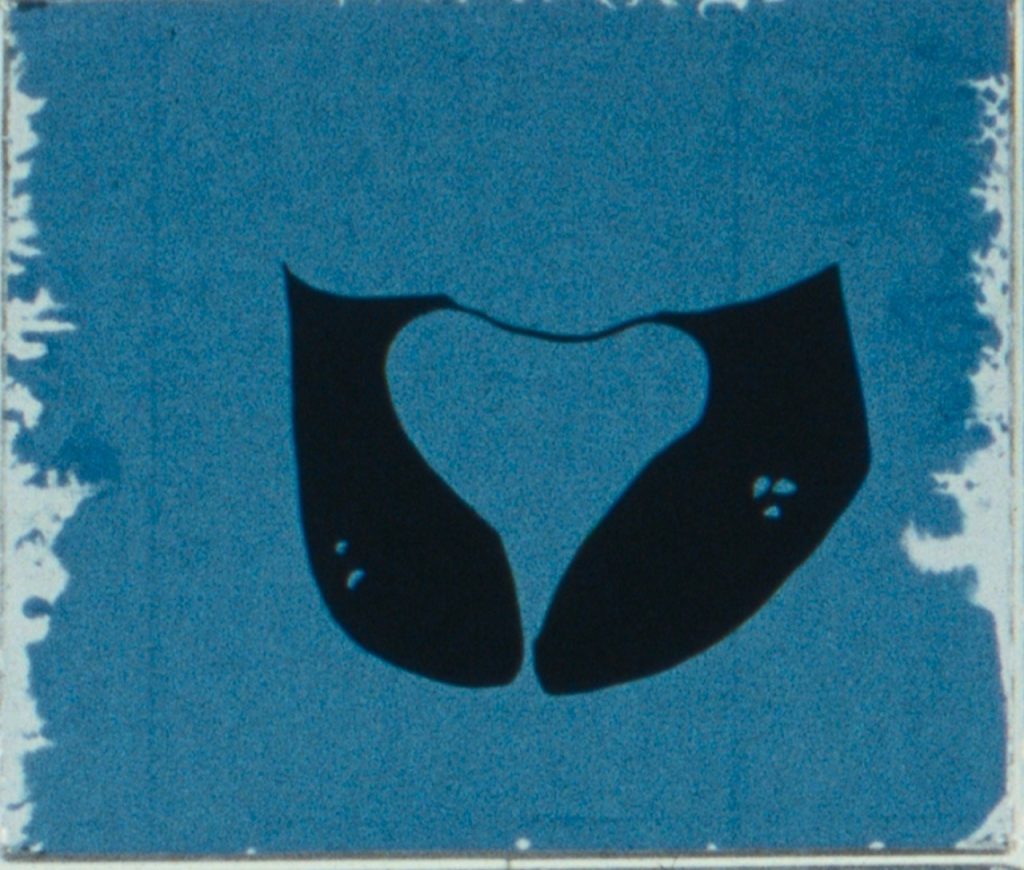
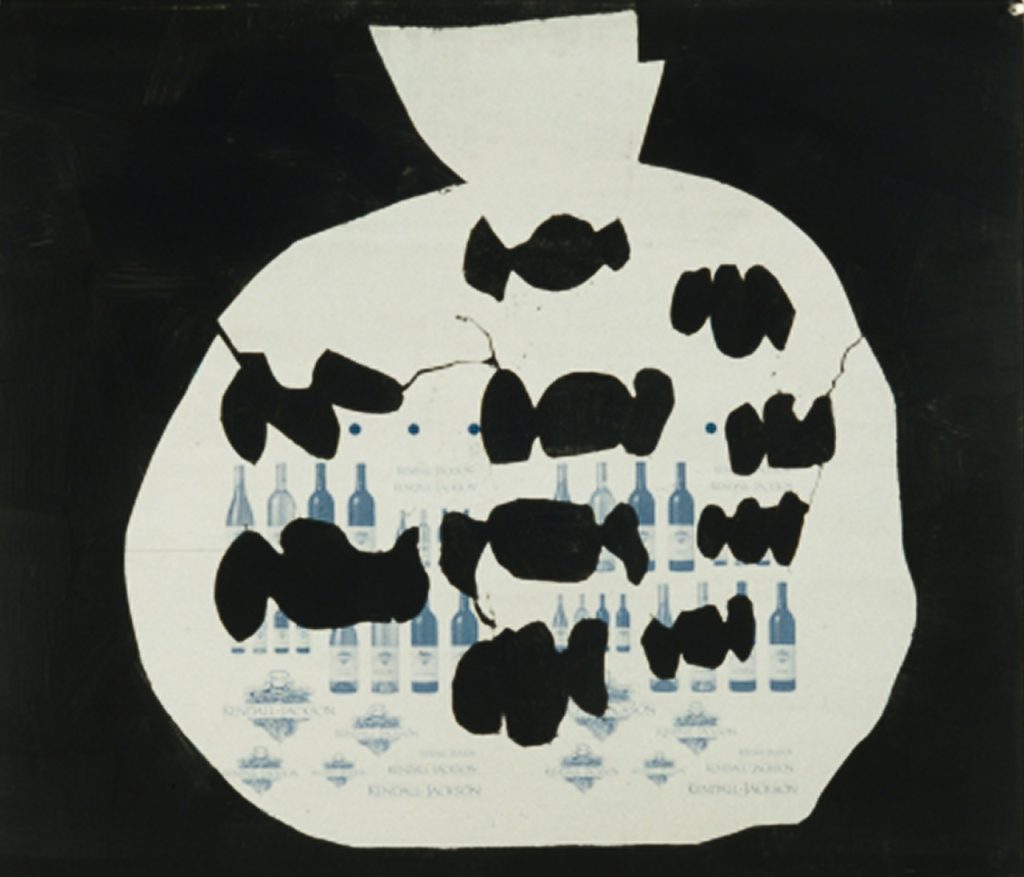
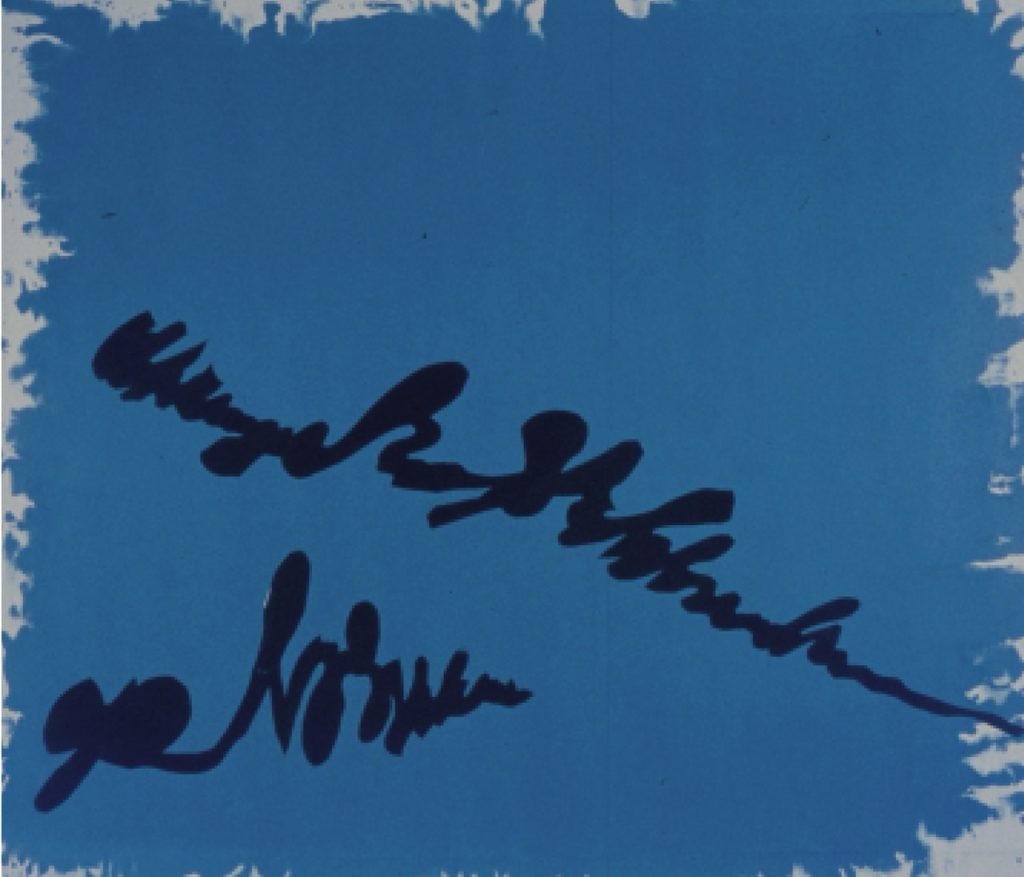
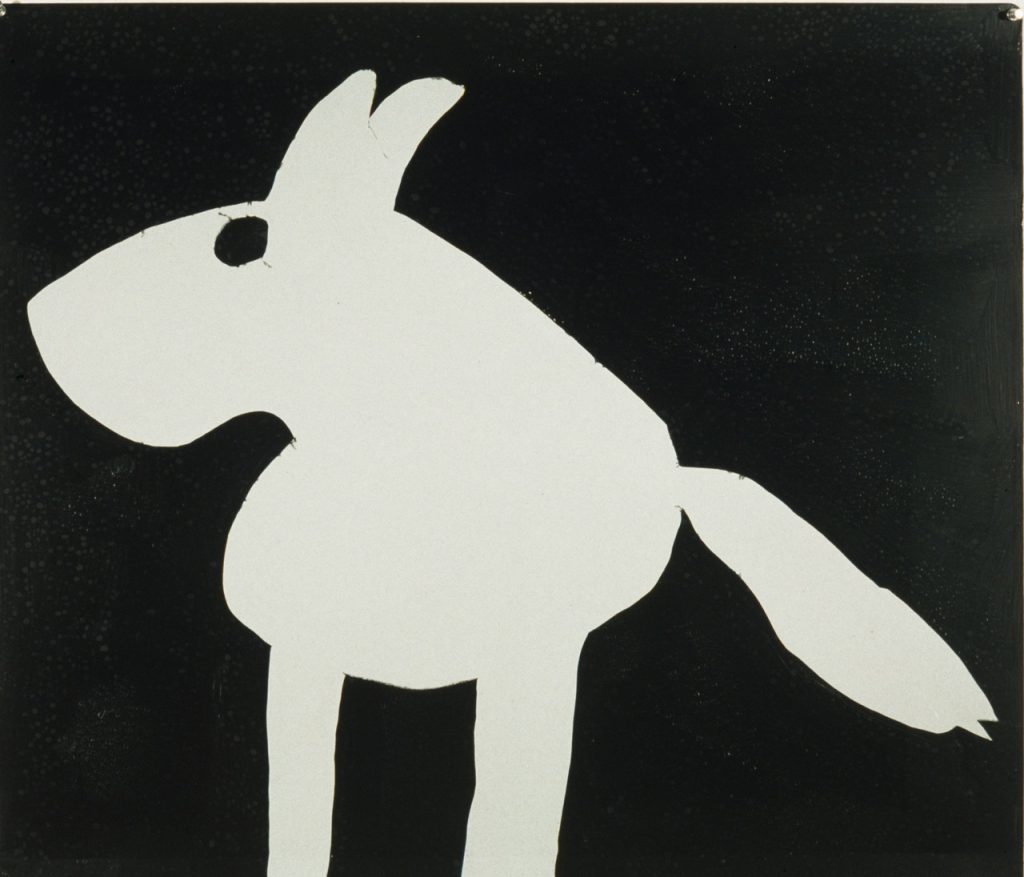
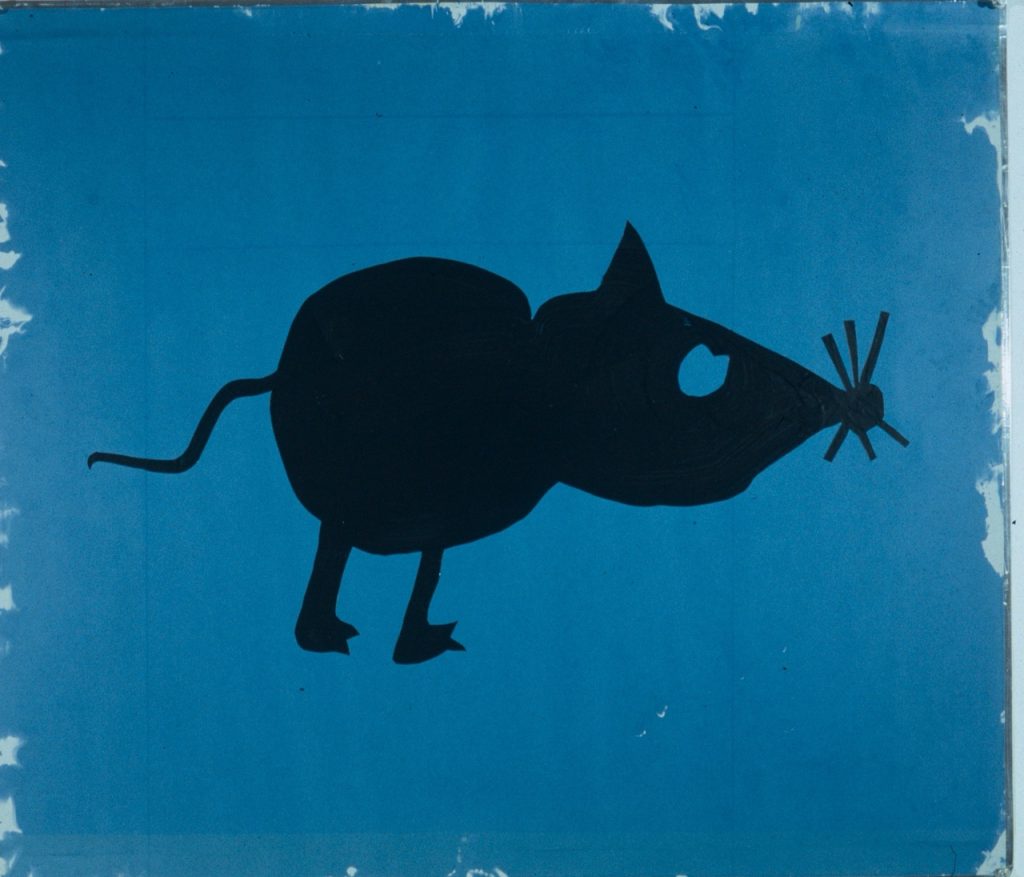
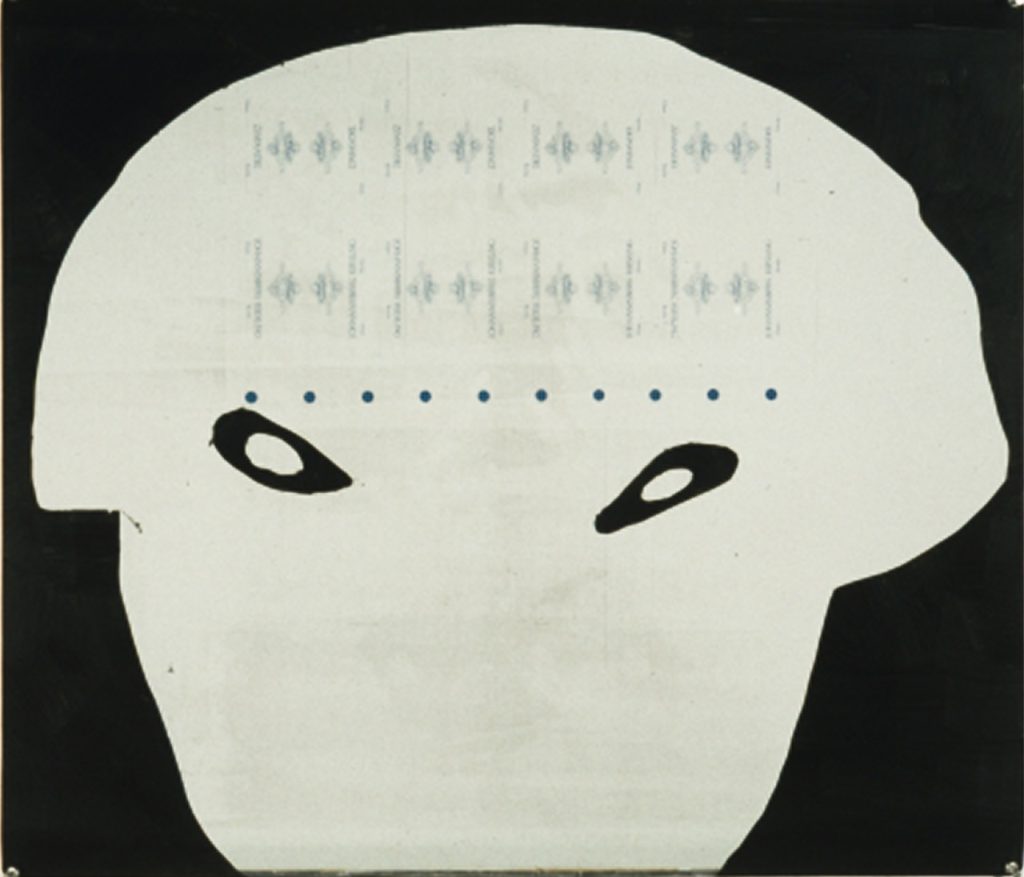
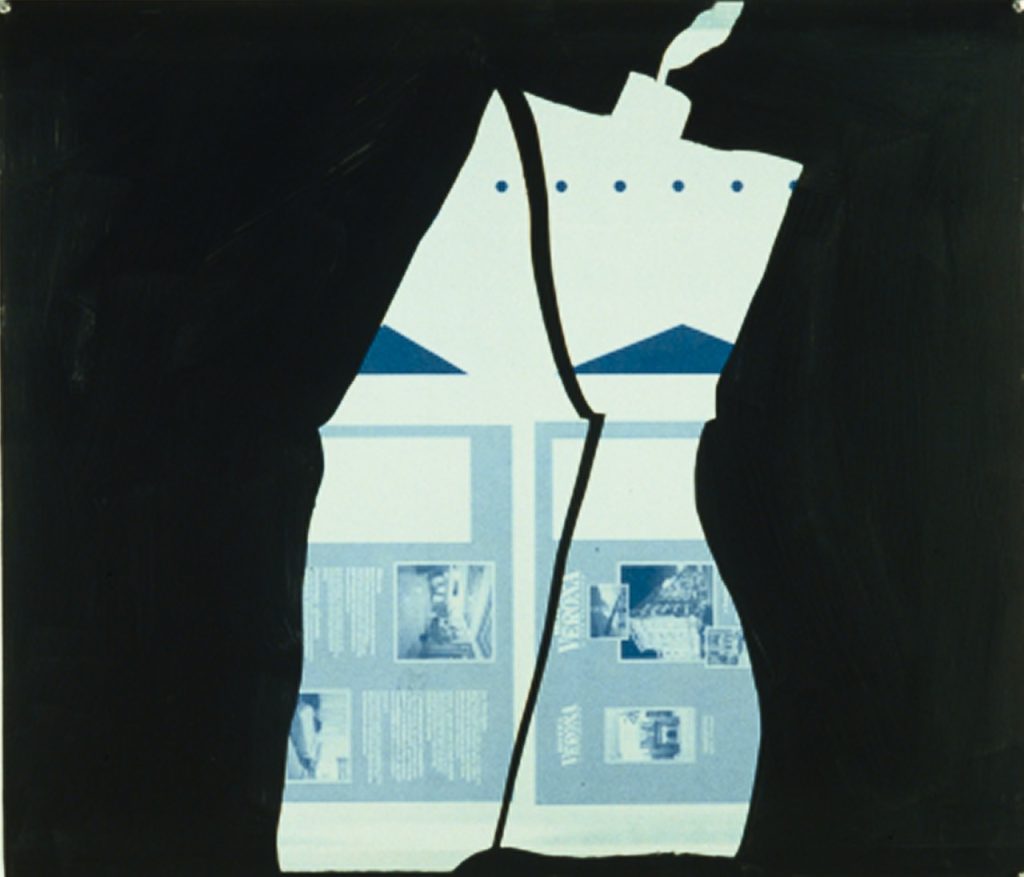
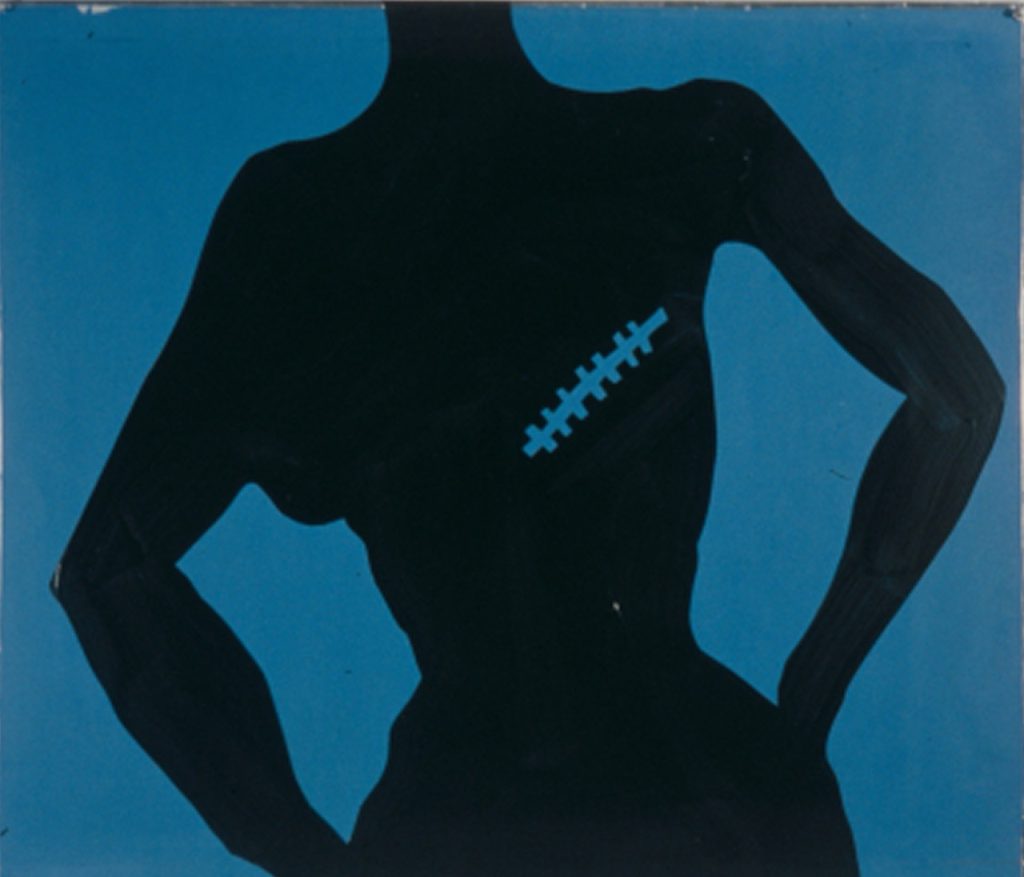
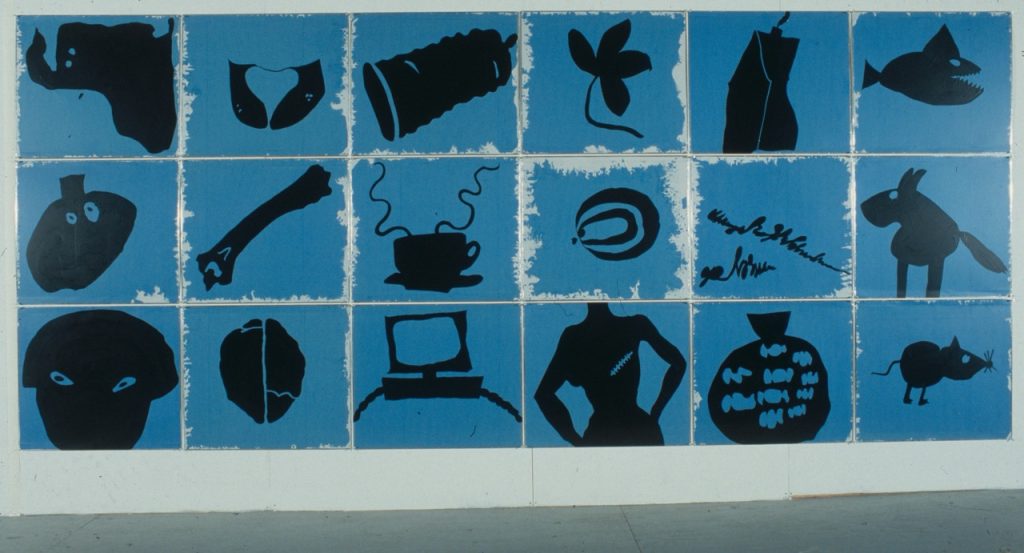
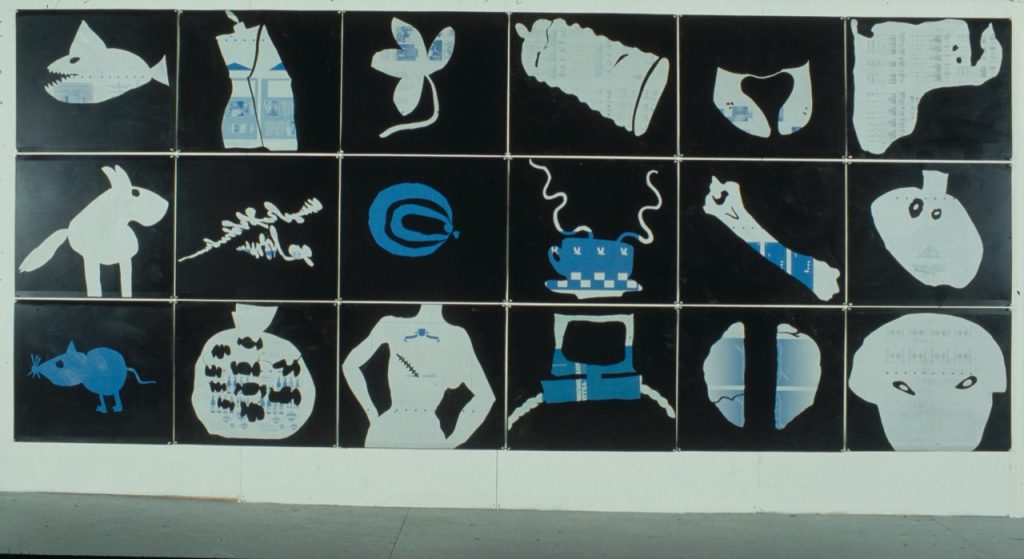
In her solo exhibition at the Dorothy Goldeen Gallery, Vaughan’s Inklings & Iotas consist of stenciled aluminum offset lithoplates. Otherwise thrown out by printers after printing newspapers, junk mail, and the like, Vaughan discovered these plates to be free, flat and easy-to-store, fit for stenciling, and interestingly laden with the ink of their previous profession.
Each panel has a positive and negative variant, created from the two byproducts of the stenciled icons. Vaughan developed this technique with an eye on reproducibility; she wanted a simple, systematic process that anybody could do, regardless of traditional artistic talent. Inklings & Iotas thereby became a sort of pilot project for later collaborations at Artseed and beyond.
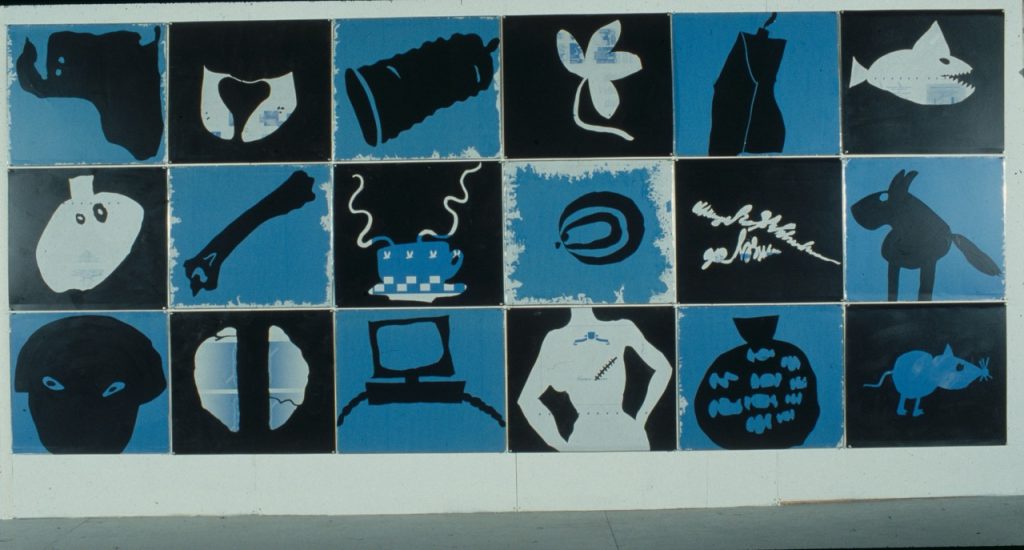
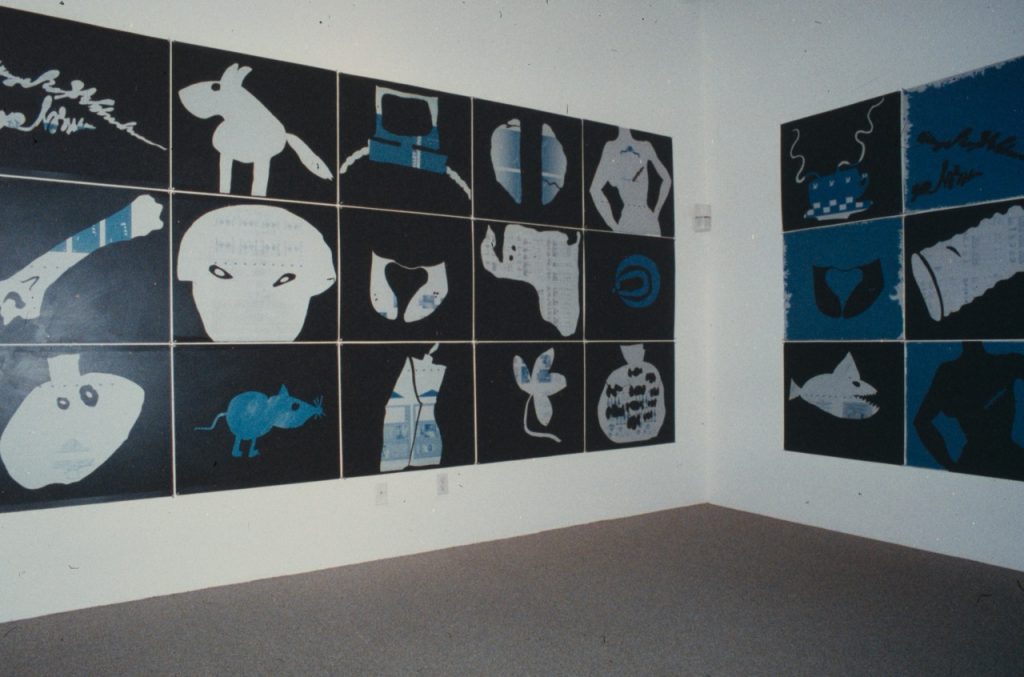
Individual icons stand alone and function as modules in a larger narrative with each other. It became about rhyming shapes, and the simplicity of a process that does not require advanced talent or technique; let’s say, a democratic way of working.
– Josefa Vaughan


Prints
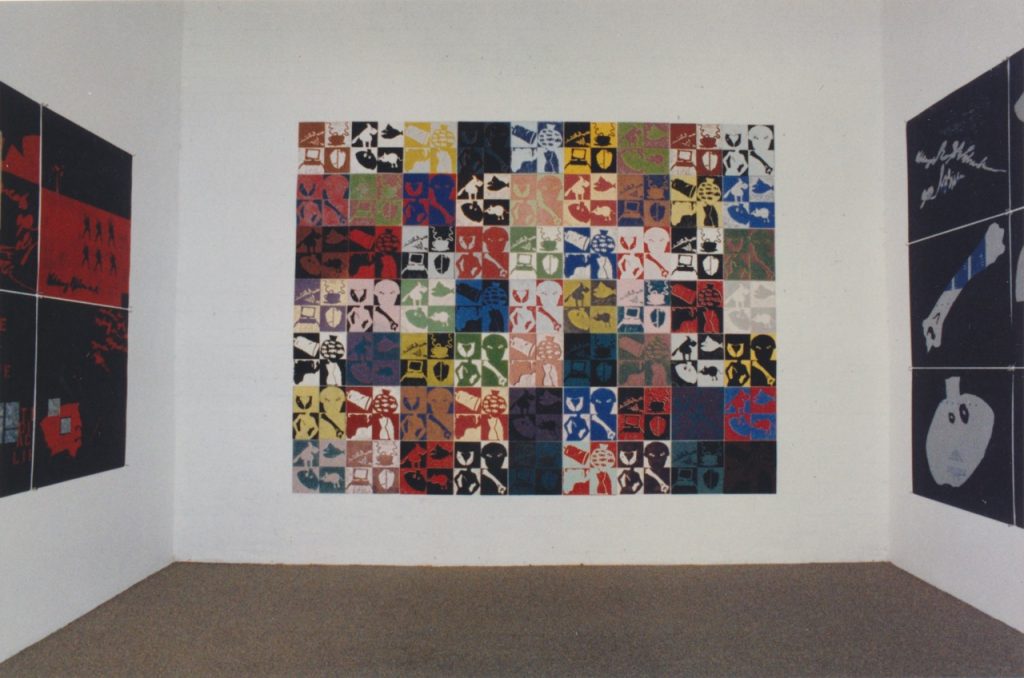
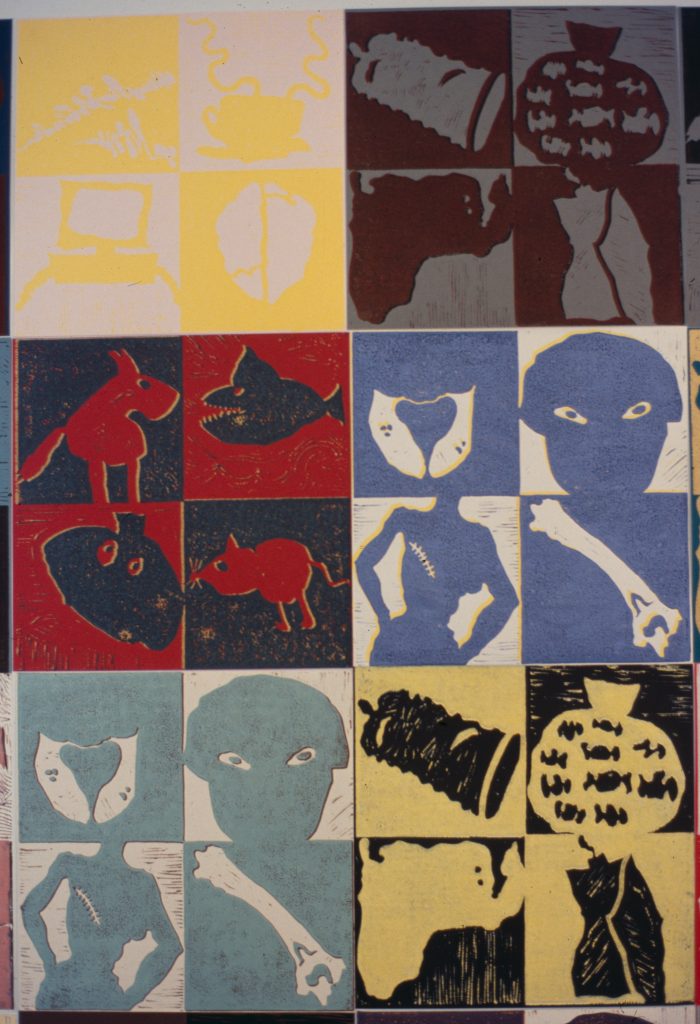
Exploring the dissemination of the Inklings & Iotas panels, Vaughan created block linoleum prints of the collected icons.
She appreciated how, by using light and dark paper, she could add yet another dimension to the positive/negative variants of the stencils.
It is not out of our single souls we dream. We dream anonymously and communally.
– Thomas Mann, The Magic Mountain
Flyers
In yet another act of reproduction, Vaughan created flyers of the Inklings & Iotas iconography. She then placed these flyers around the surrounding neighborhoods and schools. Fulfilling her initial entreaty, she even adorned the bathrooms of the Dorothy Goldeen gallery.
With smaller pull-off tabs, each flyer became prolific in itself. She would often come across–or quite literally step on–these progeny while walking around the neighborhoods.
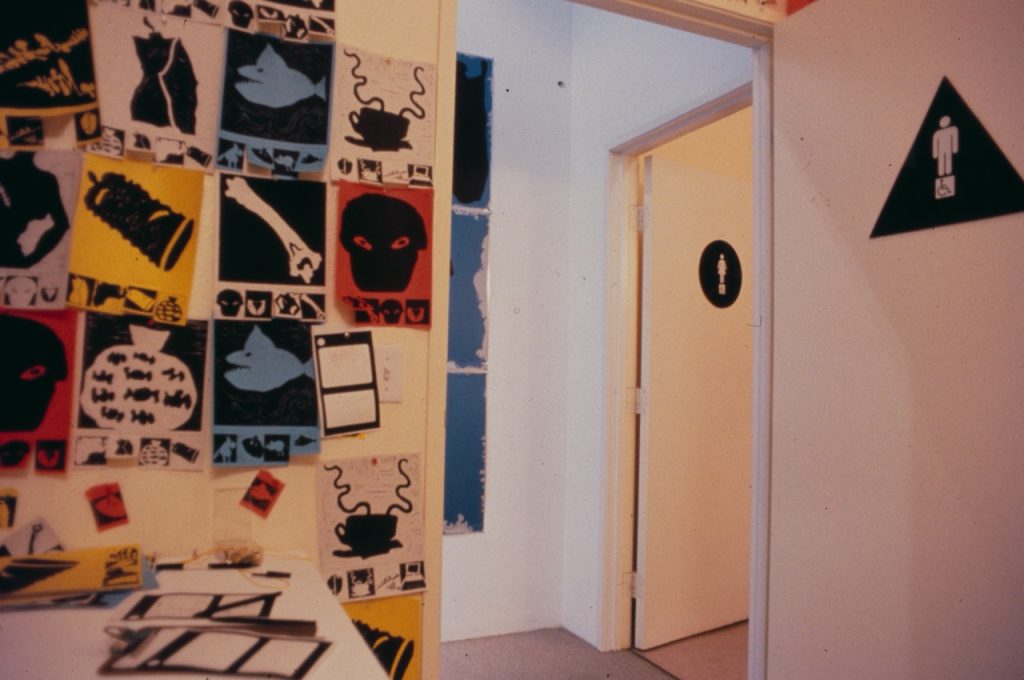
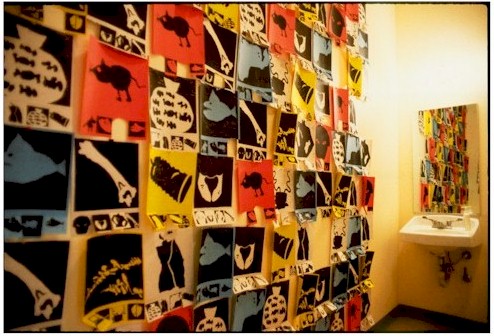
I proposed an installation for Dorothy Goldeen’s bathroom. She responded, “Is this Josefa Vaughan? You can do anything you want to my bathroom but I want to give you a show in the Dorothy Goldeen Gallery here in Los Angeles.“
– Josefa Vaughan